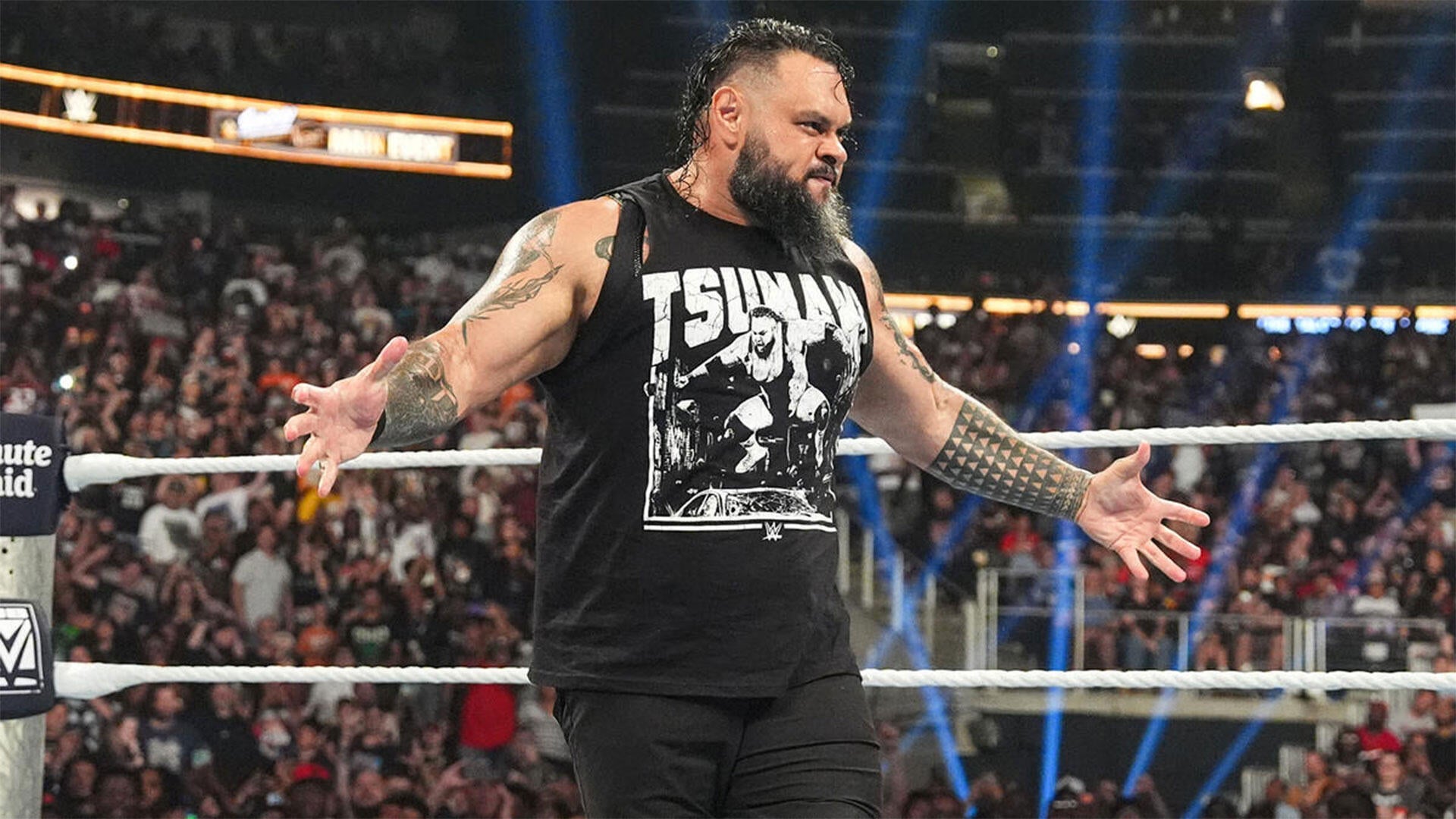
Bronson Reed, a veteran of WWE’s global roster, was reported dead at age 38 after a brief but serious bout of medical distress that followed his participation in the Crown Jewel pay‑per‑view in Saudi Arabia on Nov. 7. The company released a terse statement confirming the tragedy and expressing condolences to Reed’s family, teammates, and fans worldwide.
The fatal episode unfolded days after Reed appeared in a high‑impact match that reportedly left him with several injuries, though the exact nature of those wounds has not been publicly detailed. Medical personnel on site treated him for acute symptoms, but the subsequent complications that led to his death remain under investigation.
WWE’s chief executive issued a public comment, emphasizing the organization’s commitment to athlete welfare and announcing an internal audit of its health‑screening protocols. Fellow wrestlers and former colleagues posted tributes on social media, highlighting Reed’s charisma and in‑ring prowess while calling for greater transparency around injury reporting.
In-Depth Analysis & Key Details
Reed’s untimely passing revives a longstanding debate about the physical toll exacted by professional wrestling, a sport that blends athletic performance with scripted entertainment. Historically, the industry has grappled with high‑profile health crises, from early‑career concussions to premature deaths, prompting sporadic reforms that often lag behind medical recommendations.
Regulators and labor advocates have long pressed WWE for more rigorous health surveillance, arguing that the current system relies heavily on self‑reporting and discretionary medical clearance. The lack of publicly available injury data from the Crown Jewel event fuels speculation about whether existing protocols adequately protect talent during demanding overseas tours.
Analysts note that the incident could catalyze a shift in how wrestling promotions manage risk, potentially leading to mandatory post‑match medical evaluations, standardized injury documentation, and independent oversight committees. Such measures would align the industry with broader sports‑safety trends seen in the NFL and MMA, where player health has become a central regulatory focus.
"The loss of Bronson Reed underscores a systemic blind spot: without transparent injury tracking, even seasoned performers remain vulnerable to unseen health crises."
Why This Matters & What Lies Ahead
For everyday fans, the tragedy highlights the hidden dangers behind the spectacle of professional wrestling, reminding viewers that the performers they cheer for endure real physical strain. It also raises consumer expectations for organizations to prioritize athlete health over entertainment value, potentially influencing ticket sales and viewership if safety concerns persist.
Legislators in several jurisdictions have begun drafting bills that would require entertainment companies to disclose injury statistics and implement independent medical oversight. Upcoming hearings in the U.S. Senate’s Labor Committee, slated for early next year, will likely reference Reed’s case as a catalyst for policy change, while WWE faces pressure to demonstrate concrete improvements before any formal regulations are imposed.
Source: Reported by CBS Sports · Analyzed & Synthesized by DNB Newsroom


