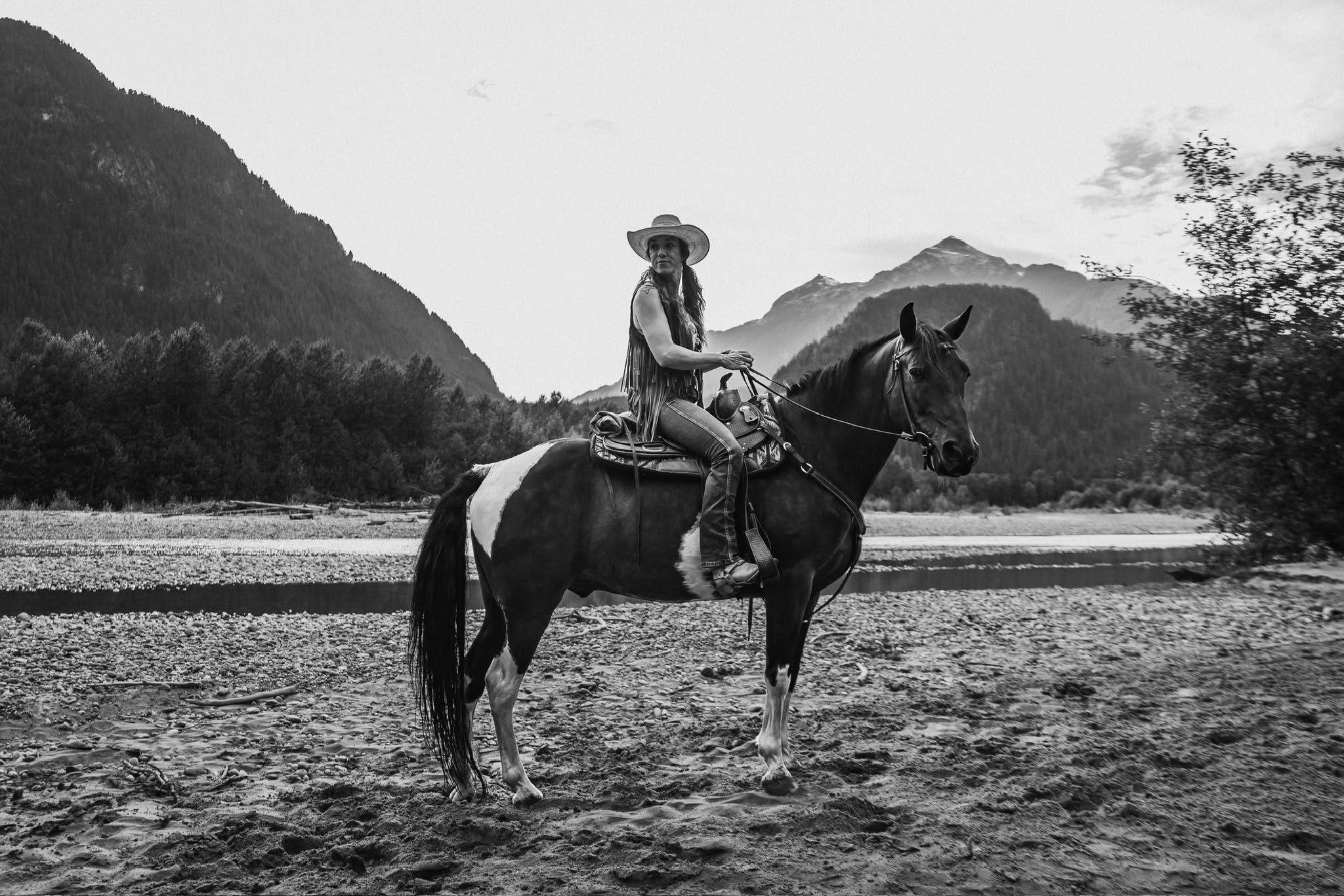
A sudden surge of melt‑water and heavy rain on March 12 forced the Squamish River to overflow, trapping residents and livestock along the Lower River Trail. Femke Visser, a 34‑year‑old guide known for leading horse‑back tours and dogsled outings, joined neighbours in a small motorboat to ferry people and animals to safety. The vessel capsized amid strong currents, pulling Visser under and resulting in her death, according to the British Columbia Coroners Service.
The incident unfolded near the historic Bridge Street crossing, a narrow stretch where floodwaters rose three feet above normal levels within minutes. First‑responders from the Squamish Fire Department and the Royal Canadian Mounted Police arrived within twenty minutes, rescuing twelve individuals and twenty‑four animals, but the chaotic conditions hampered recovery efforts.
Squamish Mayor Christina Rouse expressed profound sorrow, stating that Visser embodied the spirit of the community and that her loss would be felt deeply. The provincial Ministry of Emergency Management issued a statement pledging a review of volunteer‑led rescue protocols and promising additional resources for flood‑prone zones.
In-Depth Analysis & Key Details
Squamish’s vulnerability to flash flooding is rooted in its geography: steep mountain valleys funnel rain and snowmelt into a single river corridor, a pattern documented since the 1990s. Climate‑change models predict more frequent extreme precipitation events for the Pacific Northwest, intensifying the strain on aging infrastructure and emergency services.
Local authorities have historically relied on informal networks of outdoor guides and volunteers to bridge gaps in official rescue capacity, especially in remote or rugged areas where standard equipment cannot reach. This dependence raises policy questions about liability, training standards, and the allocation of public funds to support community‑based responders.
Animal‑welfare advocates note that the incident underscores the unique challenges of protecting livestock and working animals during natural disasters. Regulatory filings indicate that the province is exploring a pilot program to equip volunteer groups with certified life‑jackets and inflatable rescue boats, aiming to reduce reliance on ad‑hoc measures that proved fatal in Visser’s case.
"When the river surged, community members became first responders, but without proper gear, even the most experienced can be overwhelmed."
Why This Matters & What Lies Ahead
For residents of Squamish and similar mountain towns, the loss of a trusted guide highlights how climate‑driven hazards intersect with everyday livelihoods, from tourism to agriculture. The incident may prompt households to reassess personal emergency plans, while businesses that depend on outdoor recreation could face heightened insurance costs and operational disruptions.
Legislators are expected to convene a special session of the Provincial Climate Adaptation Committee later this month, where flood‑risk mitigation, funding for volunteer rescue equipment, and updated building codes for riverside structures will be on the agenda. Stakeholders will watch closely for any statutory changes that could reshape how communities prepare for and respond to rapid‑onset water events.
Source: Reported by Global News BC · Analyzed & Synthesized by DNB Newsroom


