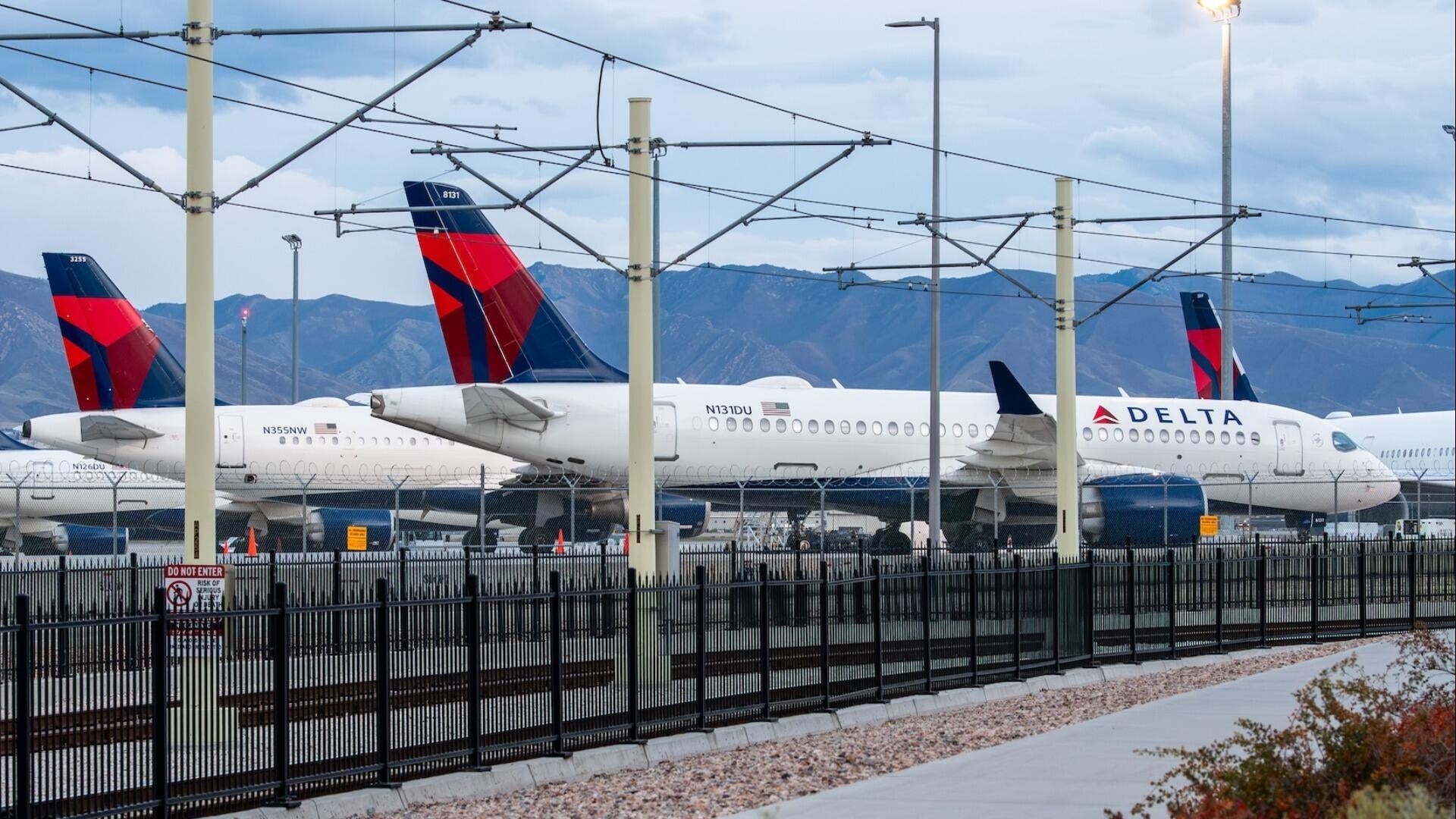
Sunday’s holiday travel season was marked by significant operational disruptions as severe winter storms battered the United States, causing widespread flight delays on both the East and West coasts. Amidst these meteorological challenges, Delta Air Lines faced an additional, distinct crisis: a major outage affecting its baggage management system. The convergence of these two issues created a complex operational environment for the airline, which is one of the largest carriers in the country, forcing ground and air crews to navigate both physical weather hazards and digital infrastructure failures simultaneously.
The geographical scope of the disruption was extensive, with storm systems impacting key aviation hubs along the Atlantic and Pacific coastlines. These weather patterns led to a backlog of flights, stranding thousands of travelers and complicating connecting itineraries. For Delta, the baggage system outage added a layer of logistical complexity, as the inability to properly track and process luggage further slowed down boarding processes and increased the risk of lost or delayed bags, a common pain point that is magnified during high-volume travel periods.
While specific official statements from Delta’s executive leadership were not detailed in the initial reports, the airline’s operational teams are reportedly working through the technical issues to restore full functionality to the baggage system. Industry observers note that such technical glitches, when they coincide with weather events, can rapidly escalate into significant service failures. The situation has drawn attention to the resilience of airline IT systems, particularly during the critical holiday window when passenger volumes are at their annual peak.
In-Depth Analysis & Key Details
The current disruption serves as a stark reminder of the structural vulnerabilities inherent in modern air travel, where the intersection of climate volatility and digital dependency creates a fragile operational ecosystem. Historically, airlines have relied on robust weather protocols to manage delays, but the introduction of complex digital systems for baggage handling and passenger data has introduced new single points of failure. When these systems fail, as seen in Delta’s current outage, the resulting inefficiencies are often more difficult to resolve than weather-related delays, which are typically predictable and time-bound.
From a regulatory and industry perspective, this incident highlights the ongoing tension between cost-efficiency and operational resilience. Airlines are under constant pressure to optimize costs, which can sometimes lead to underinvestment in redundant IT infrastructure. Competing perspectives within the industry suggest that while some view technical outages as isolated incidents, others argue that they are symptomatic of a broader trend where digital transformation has outpaced the development of fail-safe mechanisms. The economic consequences of such disruptions extend beyond individual passenger inconvenience, potentially impacting airline revenues and brand loyalty during a critical revenue period.
Experts in aviation safety and logistics note that the integration of automated baggage systems is essential for efficiency but requires rigorous testing and redundancy. The fact that this outage occurred during a period of high stress due to weather suggests that the system may lack the capacity to handle peak loads under adverse conditions. This raises important questions about the standards and protocols airlines use to test their digital infrastructure for resilience against concurrent operational shocks.
"The convergence of winter storms and digital fragility reveals a critical gap in modern aviation resilience: when the sky and the server room fail simultaneously, the passenger bears the brunt of a system designed for efficiency, not endurance."
Why This Matters & What Lies Ahead
For everyday travelers, this incident underscores the increasing unpredictability of air travel during the holiday season. Passengers are advised to build in additional buffer time for connections and to verify baggage policies directly with their carriers. The disruption also has broader implications for consumer trust in airline operations, as repeated technical failures can lead to long-term brand damage and increased scrutiny from regulatory bodies. For the travel industry, this event serves as a cautionary tale about the importance of investing in robust, resilient digital infrastructure to withstand the combined pressures of weather and peak demand.
In the coming weeks, stakeholders should monitor for any regulatory responses or industry-wide reviews of airline IT resilience standards. The Department of Transportation may issue guidance or conduct investigations into the extent of the service disruptions and the airline’s response. Additionally, shareholders and investors will likely scrutinize Delta’s financial performance and operational metrics in the coming quarters to assess the long-term impact of this incident. The outcome of this event could influence future policy discussions on mandatory redundancy standards for critical airline systems.
Source: Reported by CBS News · Analyzed & Synthesized by DNB Newsroom