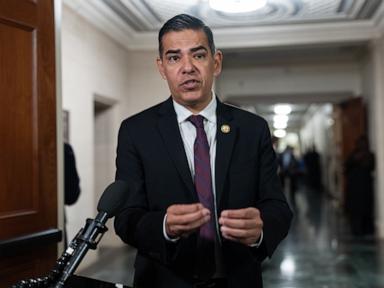
In a move that has immediately drawn sharp criticism from congressional Democrats, White House counsel Will Scharf issued a formal letter on Monday directing Democratic leadership on the potential legal consequences of their oversight activities. The correspondence, which has been shared with members of the House and Senate, asserts that specific actions taken by legislators in the name of oversight may cross the threshold into criminal conduct. This direct communication from the White House legal team to congressional opponents marks a significant departure from traditional norms of inter-branch dialogue, where such matters are typically handled through administrative channels or public statements rather than direct legal threats.
The letter arrives at a time of heightened political polarization and ongoing disputes regarding the scope of executive power and congressional authority. By framing oversight efforts as potentially criminal, the administration is attempting to create a chilling effect on legislative investigations, suggesting that members of Congress could face personal legal jeopardy for pursuing inquiries into executive branch activities. This approach contrasts with historical precedents where the executive branch has resisted oversight through non-compliance or executive privilege claims, rather than by threatening criminal prosecution of the investigators themselves.
Democratic leaders have responded with condemnation, characterizing the letter as an unprecedented attempt to intimidate Congress and undermine the system of checks and balances. They argue that the power to oversee the executive branch is a core constitutional function of the legislature and that such threats are designed to obstruct legitimate governmental processes. The White House, through its counsel, maintains that the letter is a necessary clarification of legal boundaries and a warning against actions that may violate federal law, thereby setting the stage for a protracted legal and political battle over the limits of congressional authority.
In-Depth Analysis & Key Details
The issuance of this letter by the White House counsel reflects a broader trend in recent years where the legal boundaries between the executive and legislative branches have become increasingly contested. Historically, conflicts over oversight have been resolved through litigation, executive privilege assertions, or political negotiation. However, the use of criminal threats to deter oversight represents a new and aggressive tactic that seeks to leverage the criminal justice system as a tool of political defense. This approach raises significant constitutional questions about the separation of powers and the independence of the judiciary in adjudicating disputes between co-equal branches of government.
From a regulatory and legal perspective, the letter highlights the complex interplay between statutory authority and constitutional principles. While Congress possesses broad investigative powers, these are not absolute and must be exercised within the bounds of the law. The administration’s argument suggests that certain oversight actions may fall outside the scope of legitimate legislative inquiry and into the realm of unlawful conduct. This interpretation, if upheld in court, could significantly limit the ability of Congress to scrutinize executive actions, particularly in areas where the executive branch claims inherent authority or where legal ambiguities exist.
Industry analysts and legal scholars observe that this development may have far-reaching implications for future inter-branch conflicts. The use of criminal threats to deter oversight could set a precedent that encourages future administrations to adopt similar tactics, potentially leading to a more adversarial and legally fraught relationship between Congress and the White House. This shift could also impact the behavior of congressional members, who may become more cautious in pursuing investigations due to the risk of personal legal liability, thereby weakening the oversight function of the legislature.
"By framing oversight as a potential criminal act, the administration is not merely defending its actions but is actively seeking to redefine the legal landscape of congressional power, turning the legislative inquiry into a high-stakes legal risk for its practitioners."
Why This Matters & What Lies Ahead
For the American public, this escalation in the conflict between the executive and legislative branches has direct implications for the transparency and accountability of government. A weakened oversight function could result in less scrutiny of executive actions, potentially allowing for unchecked abuses of power or policy failures to go undetected. This could erode public trust in democratic institutions and undermine the principle of accountability that is central to the functioning of a democracy. Additionally, the potential for criminal prosecution of members of Congress could create a chilling effect on legislative activity, discouraging lawmakers from pursuing necessary investigations into matters of public concern.
Looking ahead, several key milestones and legal challenges are likely to emerge from this development. Congressional Democrats are expected to respond with formal resolutions or legal challenges to the White House’s position, potentially leading to litigation in the federal courts. The outcome of these legal battles will be crucial in determining the scope of congressional oversight powers and the limits of executive authority. Furthermore, the issue may become a central topic in upcoming political debates and elections, with both parties using the conflict to rally their bases and criticize the other’s approach to governance. Monitoring these developments will be essential for understanding the evolving dynamics of power in the United States and the future of democratic accountability.
Source: Reported by ABC News · Analyzed & Synthesized by DNB Newsroom