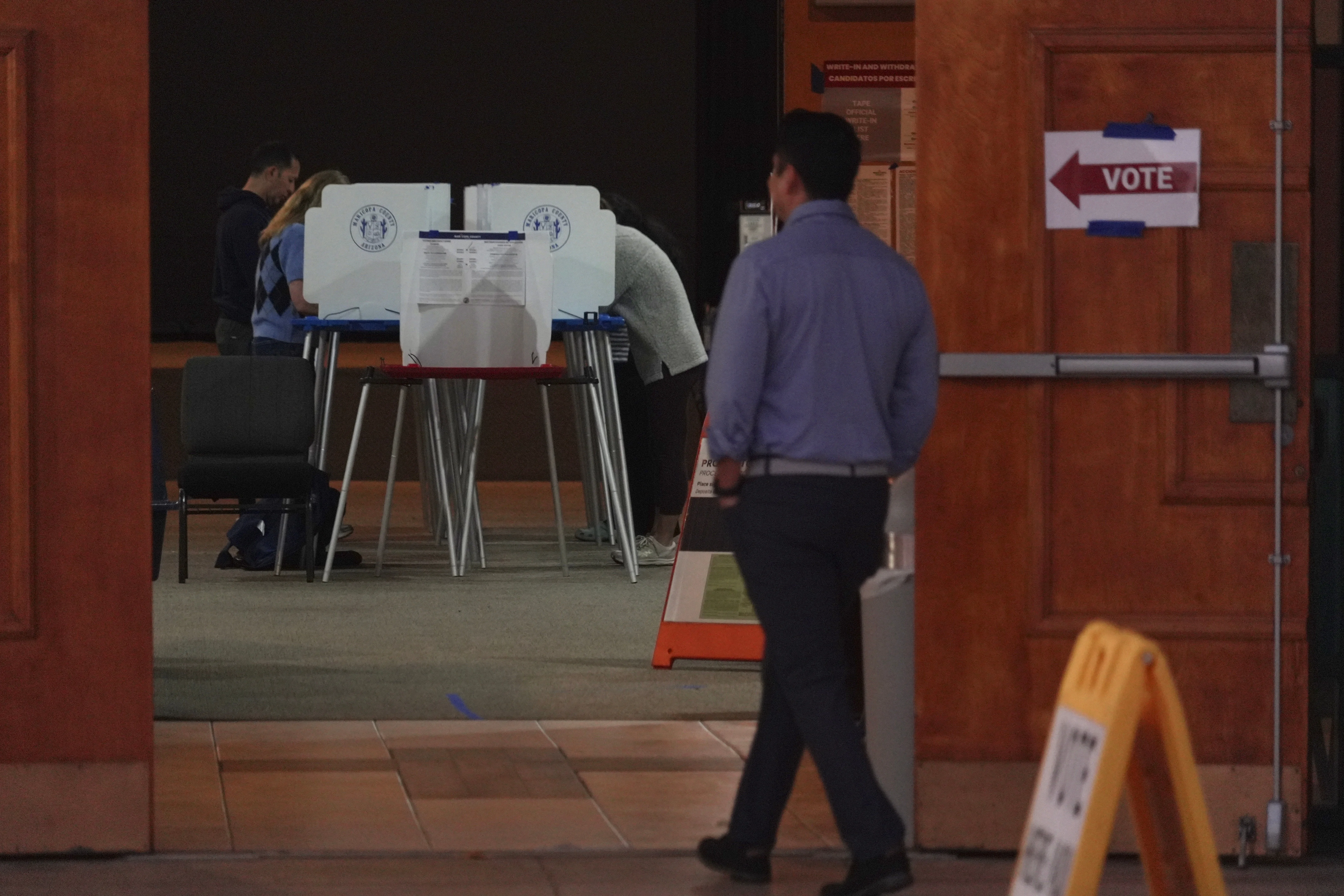
On Tuesday, millions of voters across the United States turned their attention away from partisan candidates and toward the mechanics of the ballot box itself. In four pivotal states—Alaska, Arizona, California, and Nevada—referendum measures are being finalized that will dictate whether voters must present government-issued photo identification and how the geographic lines of legislative districts are drawn. This synchronized vote represents a significant moment in American political history, as state electors and citizens directly intervene in the regulatory framework that has traditionally been the sole domain of state legislatures.
The geographical scope of this voting cycle is strategically significant. California, with its massive electorate and complex mail-in infrastructure, is deciding on proposals that could streamline or complicate the verification of voter identity. Meanwhile, Arizona and Nevada, both border states with high rates of interstate migration, are weighing measures that directly address the integrity of their voter rolls. Alaska, often a swing state in presidential elections, is also participating, adding a northern dimension to this continental debate on electoral access and security.
Election officials in these jurisdictions have spent months preparing for the logistical and legal complexities of implementing these potential changes. State secretaries of state have issued preliminary guidance on how these measures would be operationalized if passed, while advocacy groups on both sides of the aisle have mobilized massive get-out-the-vote efforts focused exclusively on these administrative questions. The stakes are not just about who wins the next election, but about the rules that determine who is allowed to vote and how their representation is geographically defined.
In-Depth Analysis & Key Details
This wave of ballot measures is not an isolated event but the culmination of a decade-long legal and political struggle over the definition of voter eligibility and representation. Historically, the administration of elections has been a patchwork of state laws, but recent federal court rulings and the rise of independent redistricting commissions have created a new layer of complexity. The push for voter ID laws stems from concerns over election integrity and fraud, while the counter-movement argues that such requirements disproportionately disenfranchise minority, elderly, and low-income voters who may lack current government-issued identification.
The redistricting measures represent a different but equally potent force. The traditional process of redrawing district lines, often controlled by partisan legislatures, has been criticized for gerrymandering—manipulating boundaries to favor one party. By placing these decisions in the hands of independent commissions or direct voter approval, states are attempting to insulate the process from partisan capture. However, this shift introduces new challenges, as independent bodies often face their own political pressures and logistical hurdles in creating maps that satisfy both legal requirements and democratic ideals.
Experts in election law note that the convergence of these two issues—ID and redistricting—creates a unique tension. A state might adopt strict ID laws while simultaneously expanding access through independent redistricting, creating a hybrid system that is difficult to predict in terms of voter turnout. The technical intricacies of implementing these changes, such as integrating new ID verification systems with existing voter registration databases, pose significant operational risks for election administrators who must ensure accuracy under tight deadlines.
"We are witnessing a fundamental renegotiation of the social contract between the citizen and the state, where the very tools of participation are being voted on by the participants themselves."
Why This Matters & What Lies Ahead
For the average citizen, these decisions will have immediate and tangible effects on their ability to vote and the responsiveness of their elected representatives. Stricter ID laws may require additional preparation and documentation, potentially creating barriers for first-time voters or those without stable housing. Conversely, more equitable redistricting maps could result in more competitive races and representatives who better reflect the demographic reality of their districts. For financial markets and political consultants, these changes alter the predictive models used to forecast election outcomes, potentially increasing volatility in political betting markets and shifting campaign strategies toward national issues rather than local incumbency.
In the coming weeks, attention will turn to the certification of results and the legal challenges that are almost certain to follow. State supreme courts will likely be the first to hear disputes regarding the implementation of these measures, particularly in states with complex administrative procedures. Additionally, federal courts may get involved if the new laws are challenged on constitutional grounds, such as the Voting Rights Act or the Equal Protection Clause. Stakeholders should monitor the official certification dates in each state, as well as any emergency injunctions filed by advocacy groups or government officials seeking to delay or enforce the new rules.
Source: Reported by NPR · Analyzed & Synthesized by DNB Newsroom


