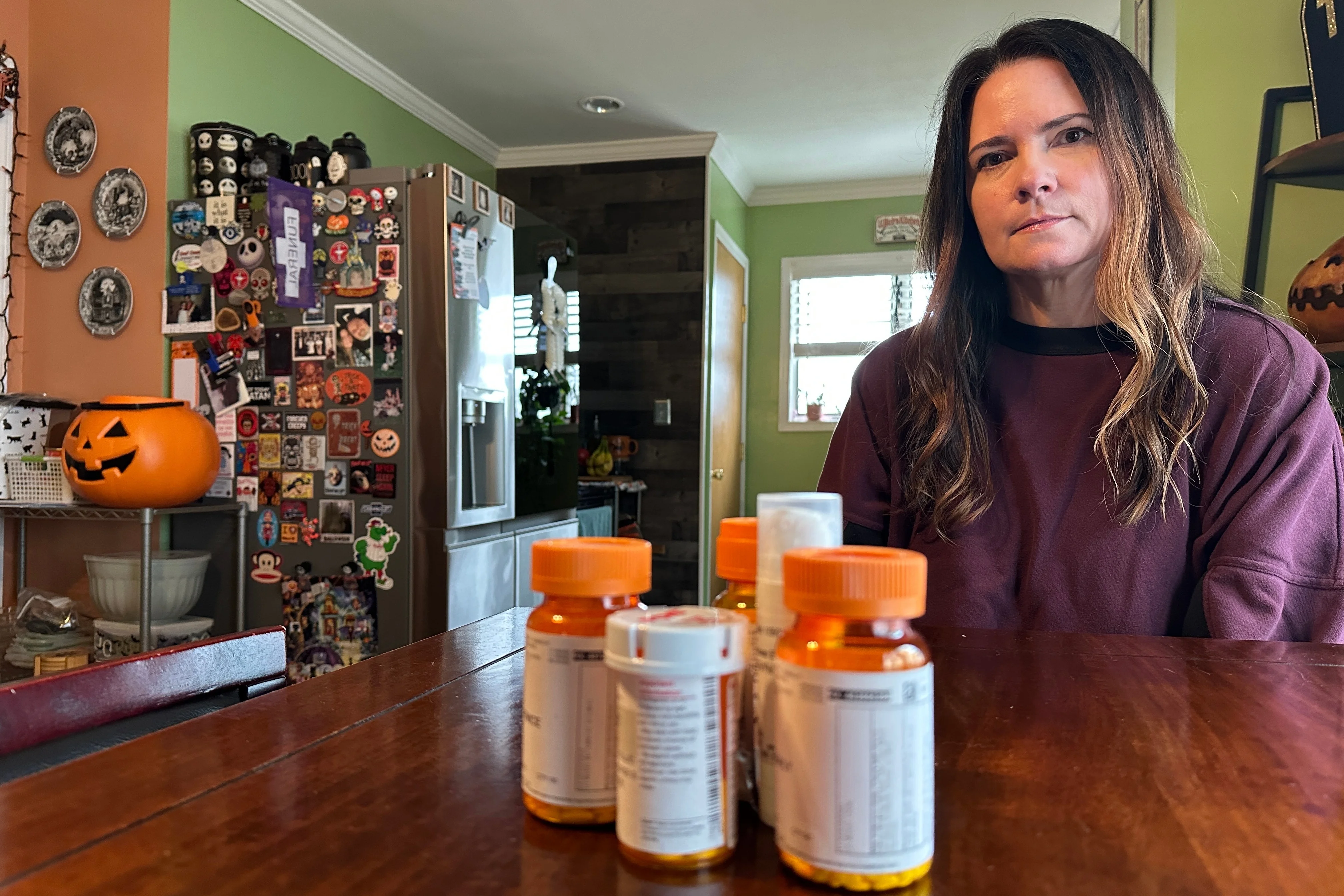
A grocery‑store owner in the town of Middleburg and a single mother raising two children in nearby Westmoreland County are feeling the pinch of a price surge that has outpaced wages across Virginia’s 1st Congressional District. Both described how the cost of everyday essentials—fuel, groceries, and childcare—has climbed sharply since the start of 2024, prompting urgent adjustments to their household and business plans.
The district’s inflation rate now sits at 3.2% annually, but specific categories tell a harsher story: the food price index is up 6% and diesel, a lifeline for local farms and delivery trucks, is 15% higher than a year ago. With the median household income hovering around $78,000, the combined effect of higher rent, utility bills, and transportation costs has forced the grocer to trim inventory and the mother to cut back on work hours, relying increasingly on SNAP benefits and community food banks.
Congressman Rob Wittman, the district’s sole representative, pledged to lobby the Biden administration for targeted relief, while the Virginia Department of Social Services announced an expansion of emergency assistance programs. The local Chamber of Commerce has organized financial‑literacy workshops, and both residents expressed cautious optimism that coordinated state and federal action could temper the worst of the squeeze.
In-Depth Analysis & Key Details
Virginia’s 1st District has long depended on a blend of agriculture, tourism, and small‑scale manufacturing, sectors that suffered during the 2008 recession and the COVID‑19 pandemic. Decades of modest investment left many businesses vulnerable to the current global supply‑chain disruptions, especially as the war in Ukraine drove up fertilizer and energy prices that feed directly into local food costs.
Regulatory debates now center on the balance between short‑term relief and long‑term structural reforms. Federal monetary policy remains tight, limiting the Federal Reserve’s ability to lower interest rates without reigniting inflation, while state legislators argue over expanding tax credits for rural entrepreneurs. Meanwhile, big‑box retailers benefit from economies of scale, intensifying competition for independent grocers who lack the bargaining power to absorb higher wholesale costs.
Economic scholars at George Mason University caution that without sustained policy intervention, the district could see a “price‑to‑wage gap” widening to historic levels. They point to data showing that every 1% rise in food prices correlates with a 0.4% increase in local poverty rates, suggesting that the current trajectory may erode decades of modest economic gains.
"When the cost of a gallon of diesel climbs faster than a farmer’s yield, the whole community feels the squeeze."
Why This Matters & What Lies Ahead
For residents of Virginia’s 1st District, the surge in everyday expenses translates into tighter grocery budgets, reduced discretionary spending, and heightened reliance on social safety nets—trends that ripple through local schools, healthcare providers, and small businesses that form the economic backbone of the region. Nationally, the district serves as a microcosm of rural America, where inflationary shocks intersect with limited access to high‑pay jobs, amplifying political pressure on lawmakers to address cost‑of‑living disparities.
Key milestones to watch include a congressional hearing on rural inflation slated for June 12, where local officials will testify before the House Committee on Education and Labor, and the upcoming Virginia General Assembly session in January, where a budget amendment proposing additional tax incentives for small enterprises is expected to be debated. The outcomes of these forums will shape the trajectory of relief measures and could set precedents for other high‑inflation districts across the country.
Source: Reported by NPR · Analyzed & Synthesized by DNB Newsroom