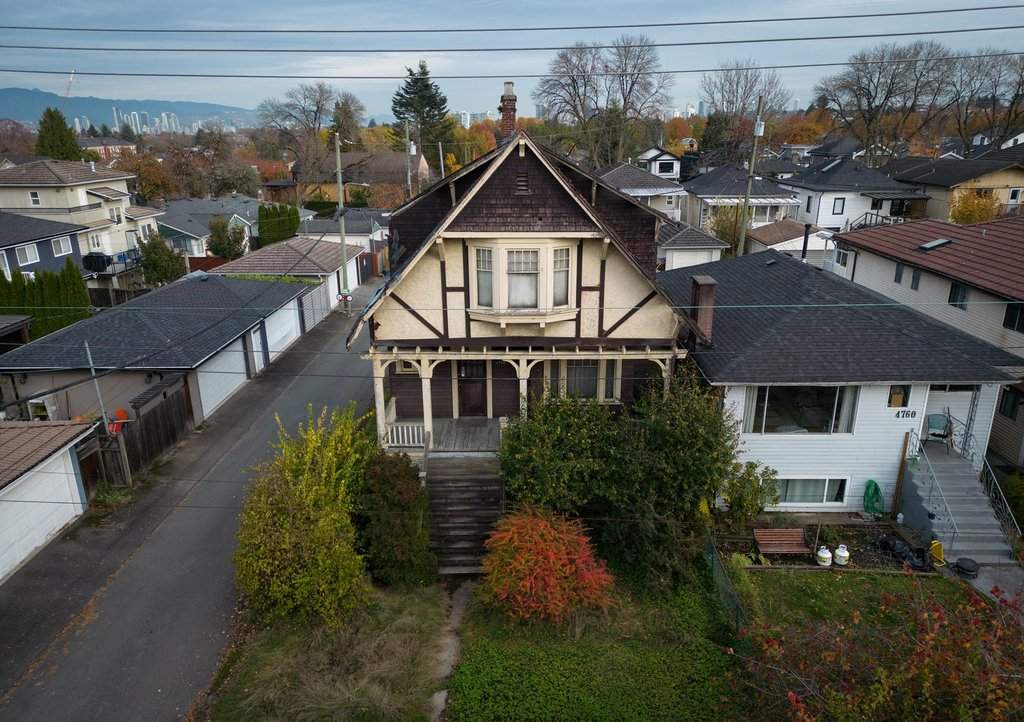
The City of Vancouver has launched its annual tax sale, placing 116 properties on the block for auction due to persistent tax delinquencies. Among the most striking listings is a residential property with an assessed value of $1.7 million, which has been set with a reserve price of just $72,000. This dramatic discrepancy between market value and auction reserve underscores the severity of the tax delinquency issue and the city’s aggressive approach to recovering outstanding debts from non-compliant property owners.
The auction process is governed by strict municipal bylaws, requiring owners to have failed to pay property taxes for three consecutive years before their properties are deemed eligible for public sale. The inclusion of high-value homes in this cohort suggests that financial distress is not limited to lower-income brackets but extends to owners of premium real estate. The low reserve price is a strategic move to ensure the properties are sold, thereby allowing the city to recoup some of the lost tax revenue and clear the delinquent accounts from its books.
City officials have emphasized that the tax sale is a necessary measure to maintain the integrity of the municipal tax system and ensure that all property owners contribute their fair share. The auction is open to the public, with bids starting at the reserve price and increasing in increments determined by the city. Potential buyers are advised to conduct thorough due diligence, as the properties are sold 'as is, where is,' with no warranties or guarantees regarding condition or title. The city’s stance is clear: while it seeks to assist struggling owners, it will not hesitate to enforce tax obligations through public auction.
In-Depth Analysis & Key Details
The decision to auction off high-value properties at a fraction of their market value reflects a deeper structural issue in Vancouver’s real estate market. The city’s tax base has been under pressure due to rising property values and an increasing number of non-resident owners who may be less responsive to tax notices. By setting low reserve prices, the city is attempting to create a competitive bidding environment that drives up the final sale price, thereby maximizing revenue recovery. This approach also serves as a deterrent to future delinquencies, signaling that the city is willing to take decisive action against non-compliant owners.
Competing perspectives on this issue highlight the tension between municipal revenue needs and the rights of property owners. Critics argue that the auction process can be exploitative, particularly when properties are sold for significantly less than their market value, benefiting speculators at the expense of the original owners. Proponents, however, contend that the tax sale is a fair and transparent mechanism for resolving delinquent accounts, ensuring that the city can continue to fund essential public services. The economic consequences of these auctions are complex, as they can influence local property values and investor sentiment, potentially leading to a more volatile market environment.
Expert analysis suggests that the low reserve prices are a reflection of the city’s uncertainty about the final sale price of these properties. By setting a low reserve, the city minimizes the risk of the property failing to sell, which would result in a complete loss of revenue. This strategy also allows the city to test the market’s appetite for these properties, providing valuable data for future tax sale decisions. The technical intricacies of the auction process, including the calculation of reserve prices and the management of bidder participation, require careful coordination between city departments and external auction partners.
"The $72,000 reserve on a $1.7 million home is not a bargain; it is a barometer of systemic risk in Vancouver’s property tax system, revealing the fragility of ownership in a high-cost market."
Why This Matters & What Lies Ahead
For everyday readers, the tax sale highlights the importance of staying current on property tax obligations, even in a market where property values are high. The potential for significant financial loss due to delinquency serves as a stark reminder that property ownership comes with ongoing financial responsibilities. For financial markets, the auction of high-value properties at low reserve prices could signal a broader trend of property distress, potentially affecting investor confidence and local real estate values. The legislative implications are significant, as the city’s enforcement of tax obligations through auction may prompt debates about the fairness and transparency of the process, leading to potential regulatory changes.
Upcoming milestones to watch include the actual auction dates, where the final sale prices of these properties will be determined, providing a real-time indicator of market sentiment. Additionally, any legal challenges from property owners who contest the auction process could lead to court rulings that shape the future of tax enforcement in Vancouver. Regulatory votes on property tax policies and delinquency management procedures will also be critical in determining how the city approaches similar situations in the future. These developments will have far-reaching implications for both individual property owners and the broader real estate market.
Source: Reported by Global News BC · Analyzed & Synthesized by DNB Newsroom