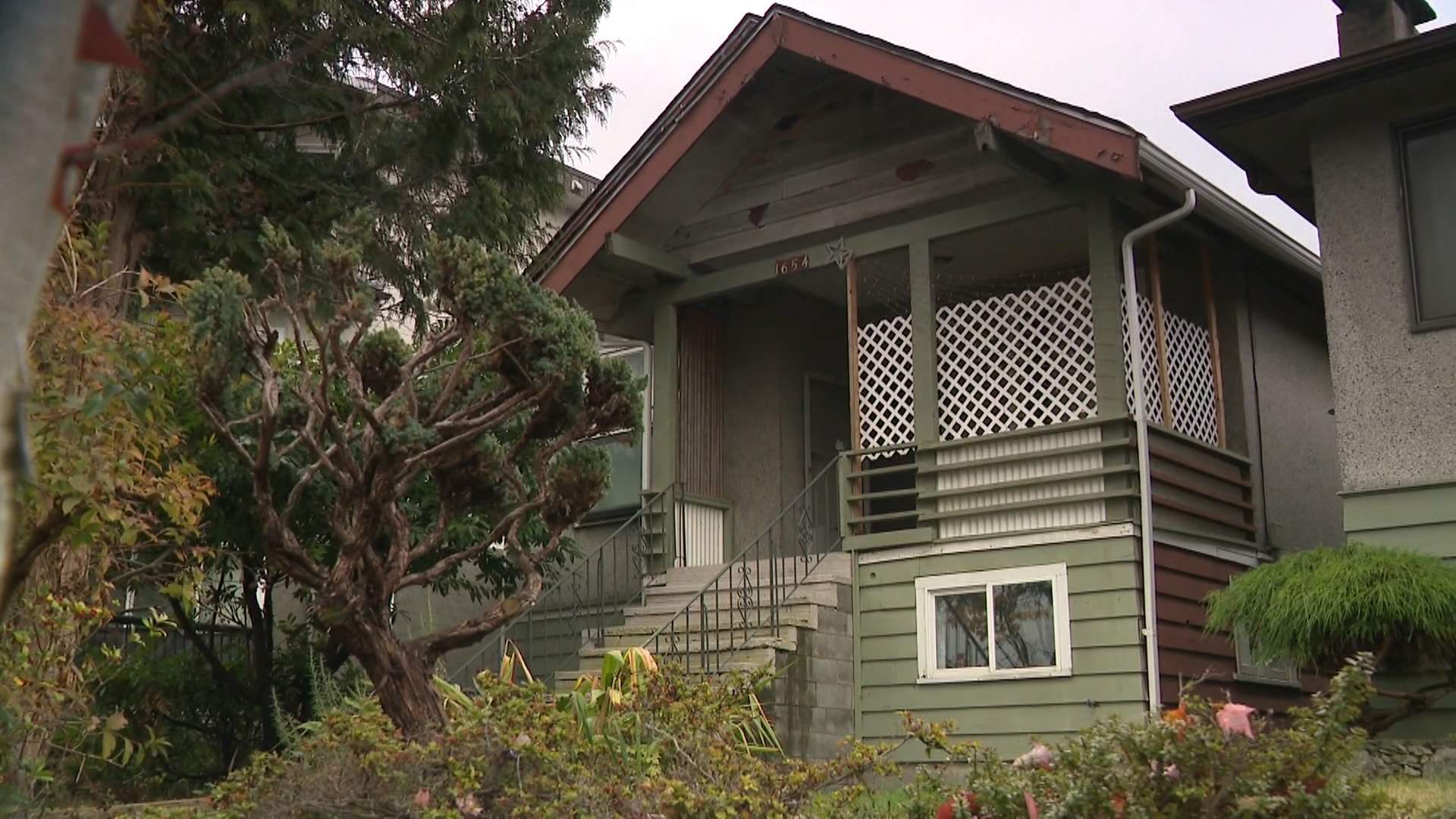
City officials confirmed a sharp rise in illegal multi‑family conversions within Vancouver’s most densely populated neighborhoods, where single‑family homes are being partitioned into as many as six separate units. The phenomenon has been linked to soaring rents and a shortage of affordable apartments, prompting the municipal government to prioritize enforcement actions.
Simon Fraser University’s city program director Andy Yan told Global News that the visual similarity between Vancouver’s split‑level rentals and Hong Kong’s coffin apartments is striking, noting that both settings force occupants into spaces barely larger than a bedroom. Yan highlighted that many of the Vancouver units lack proper fire exits, ventilation and plumbing, creating conditions that mirror the hazardous environments seen in Asian megacities.
Mayor Ken Sim’s office released a statement emphasizing the city’s commitment to “protecting residents’ safety while preserving the character of our neighborhoods.” The statement also announced a partnership with BC Housing to fund rapid inspections and to provide relocation assistance for tenants displaced by enforcement actions.
In-Depth Analysis & Key Details
The roots of Vancouver’s illegal subdivision crisis trace back to the city’s rapid population growth combined with a lag in new construction, a pattern that mirrors Hong Kong’s post‑1990s housing crunch. Historical zoning policies that favored low‑rise, single‑family development have left large swaths of the urban core ill‑equipped to meet demand, encouraging landlords to retrofit existing homes without permits.
Regulatory debates have intensified as provincial authorities consider tightening rental licensing requirements, while municipal leaders argue for stronger on‑the‑ground enforcement. Housing economists observe that the underground market depresses official vacancy rates, distorting price signals and discouraging investment in legitimate affordable housing projects. At the same time, tenant advocacy groups warn that punitive measures could inadvertently push vulnerable renters further into unregulated spaces.
Industry analysts note that the city’s recent task force mirrors similar crackdowns in European cities that faced comparable illegal conversion waves. They point to data from the Canada Mortgage and Housing Corporation indicating that each illegal unit potentially reduces the supply of legally compliant rentals by up to 0.5%, a marginal but cumulatively significant impact on the province’s housing balance sheet.
"The proliferation of split‑level rentals threatens to turn Vancouver’s streets into a patchwork of unsafe micro‑units, undermining both public health and the city’s long‑term housing strategy."
Why This Matters & What Lies Ahead
For everyday renters, the unchecked spread of illegal subdivisions translates into heightened risk of fire hazards, inadequate sanitation and limited legal recourse when disputes arise. Moreover, the hidden supply skews market data, making it harder for policymakers to gauge true affordability pressures and to allocate resources effectively.
Looking ahead, the city’s task force is slated to release its first compliance report in March 2025, followed by a municipal by‑law amendment session in the summer. Provincial legislators have signaled intent to introduce a province‑wide rental licensing framework before the next fiscal year, a move that could reshape enforcement protocols and funding mechanisms for safe housing initiatives. Stakeholders are advised to monitor upcoming city council hearings and the BC Housing audit results, which will likely set the tone for future regulatory action.
Source: Reported by Global News BC · Analyzed & Synthesized by DNB Newsroom


