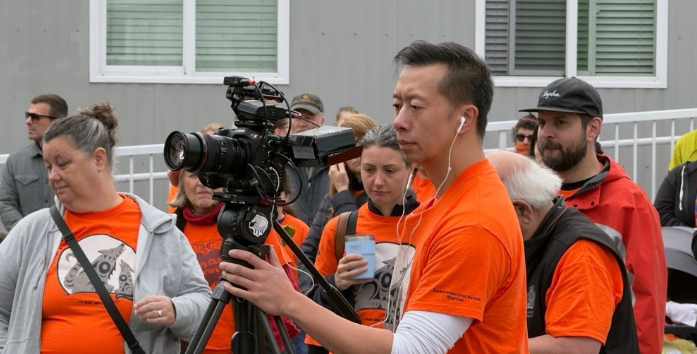
Vancouver Indigenous Fashion Week has formally announced a tightening of its security infrastructure ahead of its upcoming schedule, a direct operational response to a disturbing disruption that occurred during the 2025 iteration of the festival. The decision marks a significant pivot in the event's logistical planning, prioritizing the physical and psychological safety of participants over previous, less intensive crowd management strategies. This move is not merely precautionary but a corrective measure aimed at preventing a recurrence of the hostile behavior that marred the previous year's proceedings.
The immediate catalyst for this operational overhaul was an incident at the 2025 event where an individual within the audience shouted hateful comments, creating a hostile environment that required immediate law enforcement intervention. Police officers were called to the venue and successfully removed the heckler, but the episode underscored the fragility of the event's previous security posture. The geographical context of the event, situated in a high-traffic urban area of Vancouver, adds complexity to crowd control, necessitating more robust perimeter security and internal monitoring systems.
Organizers have stated that the new protocols are designed to be both visible and effective, ensuring that the focus remains on the celebration of Indigenous culture and craftsmanship rather than on managing disruptions. Stakeholders in the cultural sector have expressed support for these measures, recognizing that the safety of artists and attendees is paramount. The incident serves as a stark reminder that cultural events, while intended to foster unity and appreciation, can unfortunately become flashpoints for societal discord, requiring vigilant and professional security responses.
In-Depth Analysis & Key Details
The decision to enhance security at Vancouver Indigenous Fashion Week is rooted in a broader historical context of increasing scrutiny and occasional hostility directed at Indigenous cultural expressions in urban centers. As these events gain greater prominence and attract larger, more diverse audiences, the potential for disruption from external or internal dissenters has grown. The 2025 incident is not an isolated anomaly but part of a pattern that cultural organizers are increasingly recognizing, prompting a re-evaluation of risk management strategies that were perhaps previously deemed sufficient for smaller, less publicized gatherings.
From a regulatory and operational perspective, the event's organizers are navigating a complex landscape where balancing open access with safety is a constant challenge. Industry analysts observe that similar cultural festivals across North America have faced comparable pressures, leading to a standardization of higher security tiers that include pre-screening, increased staff-to-attendee ratios, and clearer communication channels with local law enforcement. The economic implications of such incidents are also significant, as disruptions can deter future attendance and impact the reputational value of the event, which is crucial for securing sponsorships and maintaining community support.
Expert domain context suggests that the effectiveness of these new measures will depend on their implementation and the training of security personnel. It is not enough to simply increase the number of guards; the staff must be equipped to handle de-escalation and rapid response in a non-violent manner that aligns with the values of the event. The technical intricacies of crowd monitoring, including the use of surveillance technology and real-time communication systems, will play a critical role in ensuring that the security presence is both effective and unobtrusive, preserving the celebratory atmosphere of the fashion week.
"The safety of our artists and the integrity of our cultural space are non-negotiable; we are evolving our security to ensure that hate has no place on our stage."
Why This Matters & What Lies Ahead
For everyday readers and attendees, the enhanced security measures signal a commitment to a safe and inclusive environment, which is essential for the continued growth and success of Vancouver Indigenous Fashion Week. This development also has broader implications for public policy, as it highlights the need for city authorities and cultural institutions to collaborate more closely on safety planning for large-scale public events. The incident serves as a case study for other cities and events, demonstrating the tangible risks of underestimating the potential for disruption and the importance of proactive, well-resourced security strategies.
Upcoming milestones to watch include the official launch of the new security protocols and any public statements from city officials regarding their support for the event's safety measures. Additionally, the outcome of the next edition of the fashion week will be a critical indicator of the effectiveness of these changes. Stakeholders, including community leaders, artists, and local businesses, will be closely monitoring the event to assess whether the new measures have successfully mitigated the risks identified in 2025. This ongoing evaluation will inform future security planning not only for this event but for the broader cultural sector in Vancouver.
Source: Reported by CBC British Columbia · Analyzed & Synthesized by DNB Newsroom