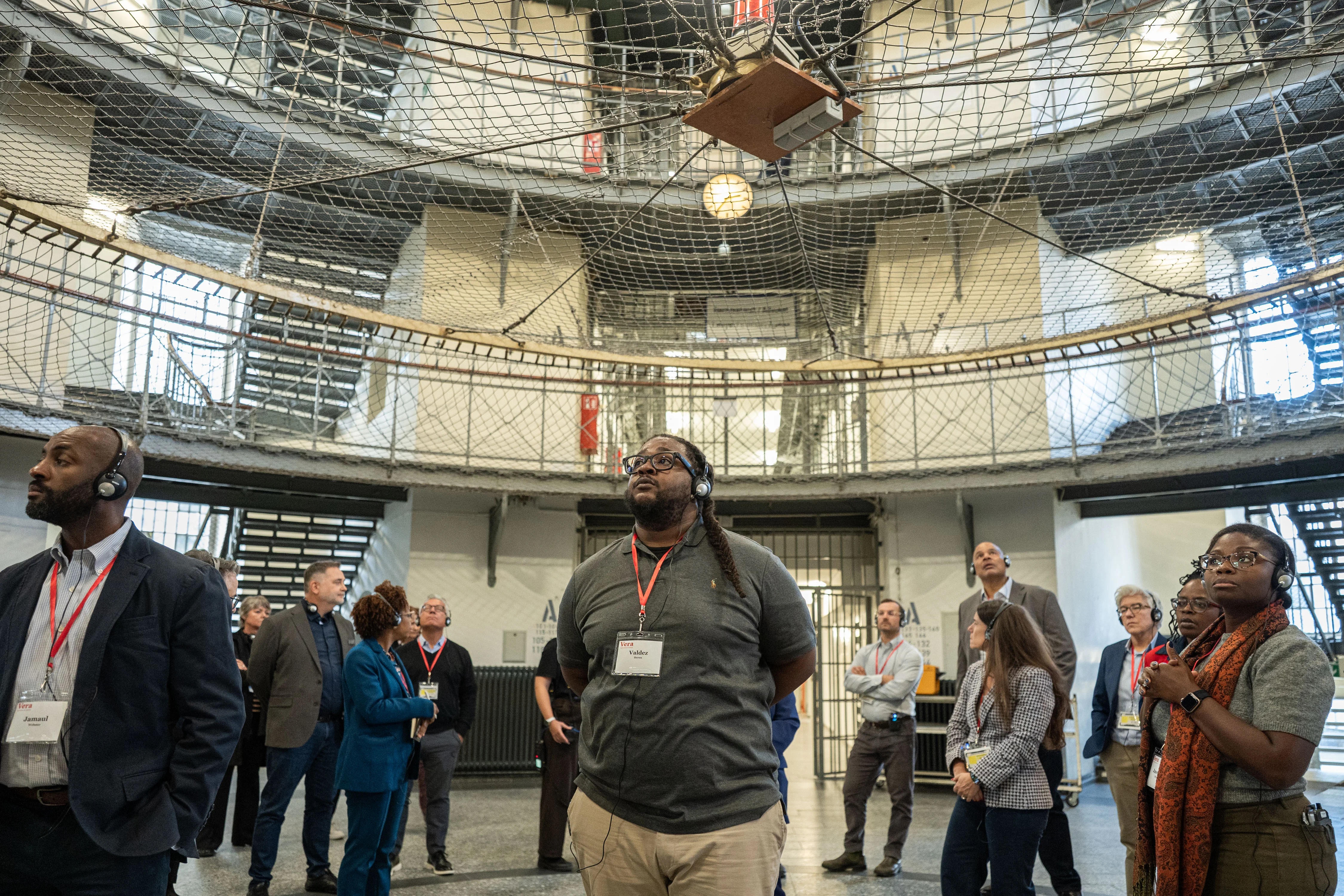
In a significant departure from decades of punitive correctional policy, U.S. prison officials have initiated a comprehensive study of European incarceration models, specifically focusing on the systems in Germany and Norway. These nations have consistently reported lower recidivism rates and higher levels of inmate reintegration success, prompting American administrators to seek a practical roadmap for transforming domestic facilities. The core objective is to design prisons that function not merely as sites of confinement, but as centers for rehabilitation that facilitate a successful and stable return to society.
The geographical and operational focus of this initiative centers on the structural differences between high-security American facilities and the more humane, community-integrated environments found in Northern Europe. While U.S. prisons have historically emphasized segregation and strict control, the European models under review emphasize normalcy, where inmates retain certain rights and responsibilities, including access to education, healthcare, and family contact. This comparative analysis aims to extract specific, actionable strategies that can be adapted to the unique legal and security constraints of the American justice system.
Official statements from corrections leadership underscore a pragmatic approach to this international benchmarking effort. Rather than framing the move as a ideological shift, officials describe it as a technical and operational inquiry into best practices. The goal is to identify which specific components of the European approach—such as staff training methodologies, inmate classification systems, or post-release support networks—can be effectively implemented within existing U.S. infrastructure to improve outcomes for both inmates and the communities they re-enter.
In-Depth Analysis & Key Details
The historical context of this development reflects a growing frustration among policymakers and researchers with the high cost and low efficacy of the U.S. mass incarceration model. For years, industry analysts have noted that the economic burden of maintaining high-security prisons often outweighs the benefits of deterrence, particularly when high recidivism rates lead to repeated cycles of arrest and imprisonment. By looking to Europe, U.S. officials are acknowledging that the punitive approach has reached a plateau in terms of public safety outcomes, necessitating a re-evaluation of fundamental correctional philosophies.
Competing perspectives within the corrections debate center on the feasibility of importing European models into a legal environment that places a higher premium on retribution and public safety through isolation. Critics argue that the lower security levels and greater freedoms afforded to inmates in Norway or Germany are incompatible with the crime rates and public sentiment in many U.S. states. However, proponents of the new approach point to data indicating that rehabilitation-focused systems reduce long-term societal costs by breaking the cycle of re-offending, thereby freeing up resources for other public services.
From a technical standpoint, the intricacies of this transition involve more than just physical facility design. It requires a fundamental shift in staff culture, moving from a guard-centric model to a therapeutic or educational one. Regulatory filings and internal studies indicate that training corrections officers in de-escalation and psychological support is a critical component of the European success story. This represents a significant operational challenge for U.S. agencies, which must retrain thousands of personnel to align with these new rehabilitative standards while maintaining security protocols.
"The central challenge is not merely to copy European architecture, but to transplant a culture of rehabilitation into a system historically built on punishment, proving that humanity and security are not mutually exclusive."
Why This Matters & What Lies Ahead
For everyday citizens, the success of this initiative could lead to safer communities and a more efficient use of tax dollars. If U.S. prisons can effectively reduce recidivism, it means fewer repeat offenses and a more stable social fabric. Furthermore, a shift toward rehabilitation could alleviate the overcrowding that plagues many American facilities, improving conditions for all inmates and potentially reducing the backlog of cases in the justice system. This has direct implications for public health, as better prison conditions are linked to lower rates of disease transmission and mental health crises.
Upcoming milestones to monitor include the release of preliminary reports from U.S. delegations visiting European facilities, as well as pilot programs that may be launched in select states to test these new models. Legislative bodies at both the federal and state levels are likely to scrutinize the cost-benefit analyses of these reforms, with potential hearings scheduled to discuss budget reallocations from security infrastructure to educational and therapeutic programs. The outcome of these early experiments will determine whether the U.S. corrections system undergoes a broad structural transformation or remains largely unchanged.
Source: Reported by NPR · Analyzed & Synthesized by DNB Newsroom