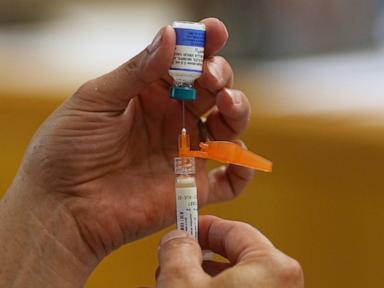
The Centers for Disease Control and Prevention (CDC) announced on Monday that the United States has lost its measles elimination status, a designation first granted in 2000 by the Pan American Health Organization (PAHO). The decision follows a 2023 outbreak that produced more than 1,000 confirmed cases across 25 states, a sharp increase from the roughly 300 cases reported in 2022.
The surge was concentrated in regions with historically low vaccination rates, including parts of the Midwest and the South, where coverage among children aged 19‑35 months slipped below the 95% threshold required to maintain herd immunity. The CDC’s analysis linked the decline to a combination of vaccine hesitancy, supply chain disruptions, and gaps in public health infrastructure.
PAHO’s statement cited the CDC’s data and underscored that the U.S. no longer meets the organization’s criteria for measles elimination. In response, the CDC’s Director of Immunization Services emphasized that the loss is a wake‑up call, urging state health departments to intensify outreach, strengthen surveillance, and restore vaccination rates to pre‑pandemic levels.
In-Depth Analysis & Key Details
The loss of measles elimination status marks a significant regression in a disease that had been declared eliminated in the U.S. for over two decades. Historically, the U.S. achieved elimination through a coordinated national immunization program, robust surveillance, and rapid outbreak response. The current reversal reflects a broader trend of declining vaccine confidence, fueled in part by misinformation campaigns and political polarization.
Regulatory debates now center on how to bridge the immunity gap. Some public health officials advocate for mandatory school immunization policies, while others call for expanded community outreach and mobile vaccination clinics. Economically, the resurgence threatens to strain healthcare resources, as measles outbreaks can lead to increased hospitalizations, especially among vulnerable populations such as infants and immunocompromised patients.
Experts in epidemiology note that measles is highly contagious, with a basic reproduction number (R0) ranging from 12 to 18. This means that even a modest drop in vaccination coverage can lead to rapid spread. The CDC’s recent modeling suggests that restoring coverage to 95% would reduce projected cases by more than 90% over the next five years, underscoring the urgency of corrective measures.
"The reclassification underscores that measles is not a relic of the past; it remains a formidable public health threat when immunity wanes."
Why This Matters & What Lies Ahead
For everyday Americans, the loss of elimination status means that measles can circulate more freely, increasing the risk of outbreaks in schools, workplaces, and communities. The resurgence also threatens to disrupt supply chains for medical supplies and could lead to higher healthcare costs due to increased hospital admissions and treatment of complications.
Key milestones to watch include the upcoming federal budget hearings on public health funding, the CDC’s planned rollout of a nationwide vaccination campaign in the spring, and the potential legislative push to expand vaccine mandates in states that have recently relaxed requirements. Monitoring these developments will be crucial for assessing the country’s trajectory toward restoring measles elimination status.
Source: Reported by ABC News · Analyzed & Synthesized by DNB Newsroom