On February 28, President Donald Trump announced the commencement of 'major combat operations' against Iran, marking a profound escalation in a long-standing geopolitical rivalry. This declaration follows a period of heightened tensions and suggests a strategic pivot toward direct military engagement. The announcement was made at a critical juncture, signaling that the United States has moved beyond defensive postures or limited retaliatory strikes to pursue a broader operational objective against Iranian state assets.
The immediate operational context of this announcement is underscored by confirmed Iranian retaliation. Bahrain reported that it had come under attack, with specific intelligence indicating that the Islamic Revolutionary Guard Corps (IRGC) targeted a US-hosted air base on the island nation. This strike illustrates the IRGC's capability to project power across the Gulf and its willingness to engage US military infrastructure directly. The geographical expansion of the conflict to Bahrain, a key Gulf Cooperation Council member, highlights the vulnerability of regional allies in the face of Iranian asymmetric warfare strategies.
Official responses have been swift and severe. The US Department of Defense has likely mobilized additional assets in the region, while Bahraini authorities have issued alerts to civilians and secured vital infrastructure. International partners, including the United Kingdom and France, are expected to provide logistical support and intelligence sharing. The Iranian government, through state media, has framed the attacks as a necessary defense against US aggression, while the US administration has emphasized the necessity of these operations to neutralize threats to American personnel and interests in the region.
In-Depth Analysis & Key Details
The current escalation is rooted in decades of structural tensions between the United States and Iran, exacerbated by the collapse of diplomatic frameworks such as the Joint Comprehensive Plan of Action (JCPOA). The decision to launch 'major combat operations' reflects a strategic assessment that diplomatic leverage has failed to curb Iran's nuclear ambitions and its support for proxy militias across the Middle East. This move aligns with a broader US foreign policy trend toward more assertive military posturing in response to perceived existential threats, moving away from the containment strategies of previous administrations.
Competing perspectives on this conflict highlight a deep divide in international opinion. While the US and its Gulf allies view the operations as a necessary measure to restore deterrence and protect regional stability, critics argue that direct military action risks a wider war that could engulf the entire Middle East. Economic consequences are already becoming apparent, with oil prices spiking due to fears of disruption in the Strait of Hormuz, a critical chokepoint for global energy trade. The financial markets are reacting with volatility, reflecting uncertainty about the duration and intensity of the conflict.
From a military doctrine standpoint, the targeting of an air base in Bahrain suggests an Iranian strategy aimed at degrading US forward operating capabilities. This tactic, known as anti-access/area denial (A2/AD), seeks to make the deployment of US forces in the region prohibitively expensive and dangerous. The technical intricacies of such attacks involve the use of ballistic and cruise missiles, as well as drone swarms, which pose significant challenges to modern air defense systems. The effectiveness of US countermeasures will be a critical factor in determining the trajectory of the conflict.
"The declaration of 'major combat operations' marks a definitive break from the era of shadow wars, forcing the region to confront the tangible realities of direct state-on-state warfare in the Gulf."
Why This Matters & What Lies Ahead
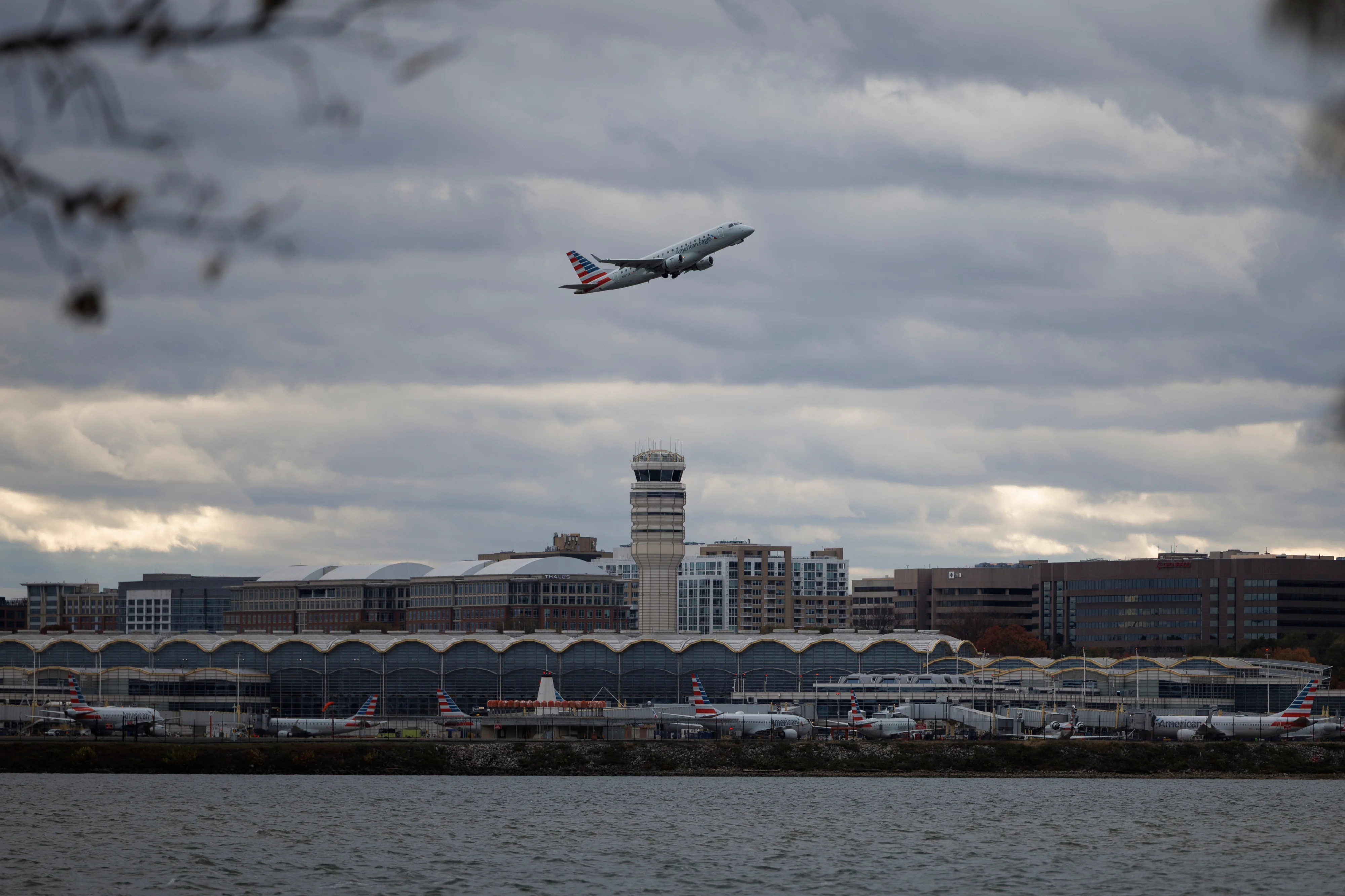
For everyday readers and global markets, this escalation carries immediate and severe consequences. The threat to air travel in the Middle East is acute, with multiple airlines canceling flights over Iran and neighboring countries. Energy prices are likely to remain elevated, impacting inflation and consumer costs worldwide. Furthermore, the safety of US citizens and diplomatic personnel in the region is at heightened risk, prompting travel advisories and potential evacuations. The broader implication is a destabilization of the Gulf region, which could have ripple effects on global security, trade, and humanitarian aid efforts.
Key upcoming milestones to monitor include the US Congress's notification requirements for the use of military force, which may trigger debates on the scope and duration of the operations. International organizations, including the United Nations and the International Atomic Energy Agency, are expected to issue statements and potentially convene emergency sessions to address the nuclear implications of the conflict. Additionally, the response of other regional powers, such as Saudi Arabia and the United Arab Emirates, will be crucial in determining whether the conflict remains contained or expands into a broader regional war. Investors and policymakers should closely watch for further Iranian strikes, US military deployments, and any signs of diplomatic backchannel communications.
Source: Reported by ABC News · Analyzed & Synthesized by DNB Newsroom