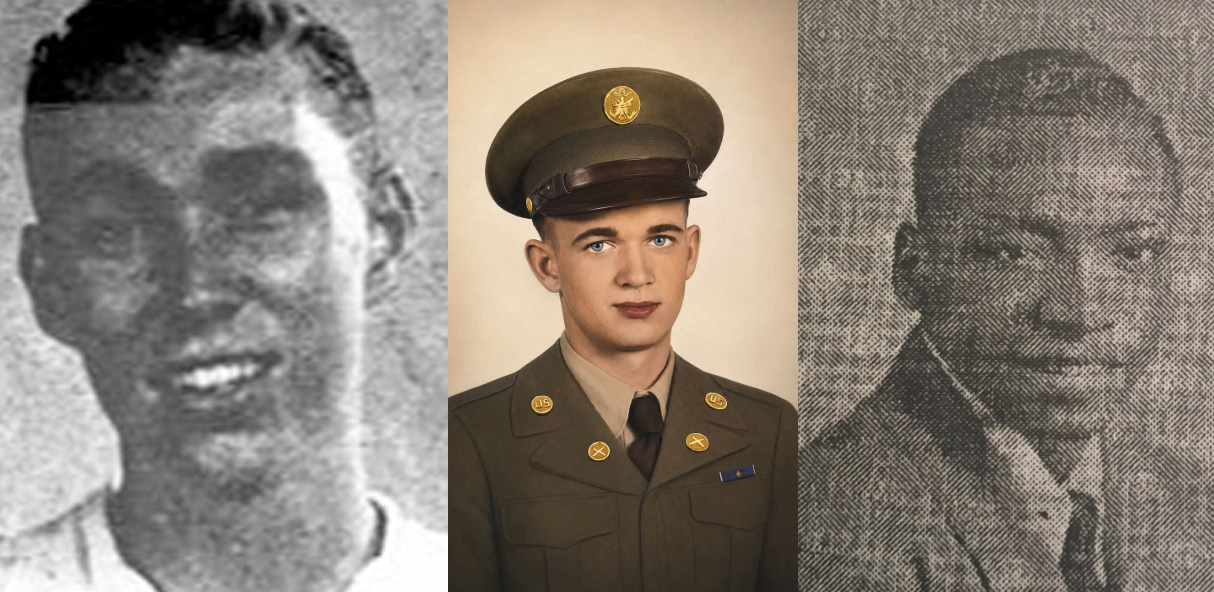
The Defense Department’s Defense POW/MIA Accounting Agency disclosed on Wednesday that forensic examinations have confirmed the identities of six American servicemen whose remains were recovered from a burial site in the central region of South Korea. Among the six, two were adolescents at the time they were killed in combat during the 1950‑53 war.
DPAA officials said the confirmations were achieved through a combination of mitochondrial DNA sequencing, dental record comparison, and artifact analysis. A spokesperson for the agency emphasized the profound relief these findings bring to surviving relatives, while veterans advocacy groups praised the continued partnership with the Republic of Korea’s Ministry of National Defense that made the excavation possible.
In-Depth Analysis & Key Details
The Korean War left more than 36,000 U.S. personnel unaccounted for, creating one of the longest‑running missing‑in‑action investigations in American military history. Since the early 1990s, the DPAA has employed increasingly sophisticated scientific methods, shifting from traditional anthropological techniques to advanced genomic sequencing, to close the gap between unknown graves and living families.
Operational hurdles remain steep: rugged terrain, decades of environmental change, and the need for diplomatic clearance can delay field missions. Funding constraints also shape the pace of work; the recent $100 million appropriation reflects congressional recognition of the program’s importance, yet analysts note that sustained investment will be required to address the remaining thousands of cases.
"The identification of these six service members reaffirms America’s unwavering commitment to bring every fallen soldier home, no matter how many years have passed," said a DPAA spokesperson."
Why This Matters & What Lies Ahead
For families, the confirmation of a loved one’s remains ends a generational uncertainty, enabling them to receive full military honors, burial benefits, and a tangible place for remembrance. On a broader scale, each identification enriches the historical record of the Korean War, informing scholars and the public about the human cost of the conflict.
Looking ahead, the DPAA plans additional excavations in the coming year, while Congress is set to review the program’s budget during the upcoming defense appropriations hearing. Stakeholders will watch for any policy adjustments that could accelerate DNA processing capabilities or expand collaborative agreements with allied nations, factors that will shape the speed and scope of future identifications.
Source: Reported by CBS News · Analyzed & Synthesized by DNB Newsroom