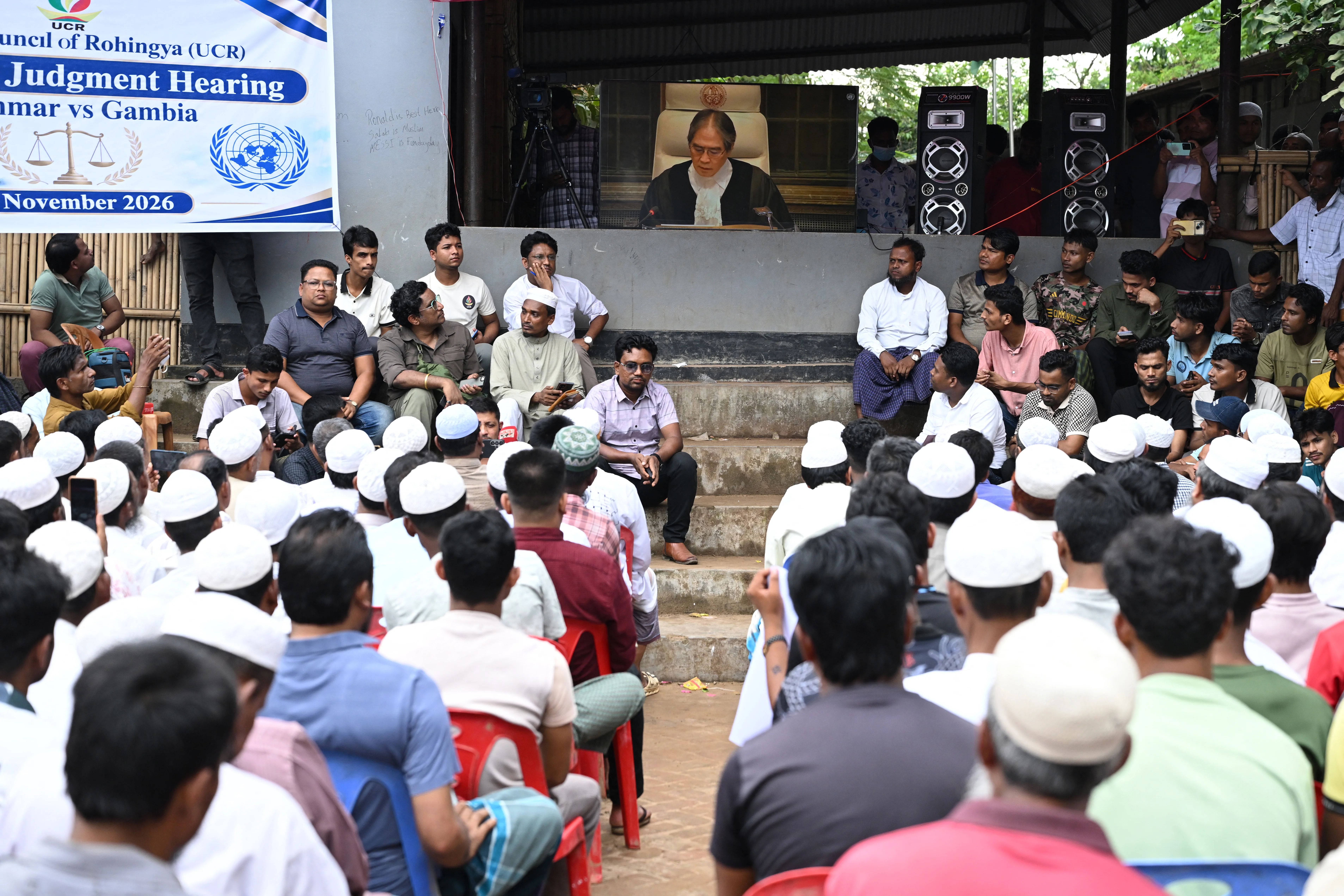
On Thursday, the International Court of Justice concluded that Myanmar’s security forces pursued a campaign in 2017 that was deliberately aimed at eradicating the Rohingya ethnic minority. The judgment, delivered by the world’s highest judicial body, cites evidence of mass killings, village burnings and forced displacement across Rakhine State’s northern districts.
The court’s order applies to the military‑run State Administration Council, which has ruled Myanmar since the February 2021 coup. It requires the junta to immediately stop any ongoing acts that could be classified as genocide, to preserve evidence, and to facilitate humanitarian access for displaced Rohingya refugees still living in camps across Bangladesh and within Myanmar’s interior.
UN Secretary‑General António Guterres praised the decision as a “milestone for accountability,” while Myanmar’s foreign ministry dismissed the ruling as “politically motivated.” Human‑rights NGOs called the judgment a rare opportunity to compel the regime to confront its crimes, urging the international community to back enforcement with concrete measures.
In-Depth Analysis & Key Details
The genocide finding follows decades of systemic discrimination against the Rohingya, who have been denied citizenship under Myanmar’s 1982 nationality law. The 2017 offensive, triggered by attacks on security posts, escalated into a coordinated sweep that displaced over 700,000 people, according to UN estimates. Legal scholars note that the ICJ’s reliance on the 1948 Genocide Convention underscores the treaty’s enduring relevance despite Myanmar’s historical non‑cooperation with international mechanisms.
Competing narratives persist: Myanmar’s military argues that its actions were counter‑terrorism operations, whereas regional analysts point to a pattern of state‑sanctioned ethnic cleansing dating back to the 1970s. The ruling also intersects with ongoing sanctions debates in the United States, where Congress is considering a bill to tighten financial restrictions on military leaders implicated in the atrocities.
Industry observers highlight the broader implications for global supply chains, especially in the garment sector where Myanmar factories have supplied Western brands. Legal experts caution that failure to enforce the court’s orders could expose multinational corporations to litigation under emerging “forced‑labour” statutes in Europe and the United States.
"The ICJ’s determination that genocide occurred in Myanmar is a legal watershed that turns rhetoric into enforceable obligations for a regime long insulated from accountability."
Why This Matters & What Lies Ahead
For the Rohingya community, the ruling offers a rare avenue for justice and the possibility of returning to ancestral lands under international protection. It also signals to other governments that systematic oppression can trigger legal consequences, potentially deterring future atrocities. Moreover, the decision influences humanitarian funding, as donors reassess allocations to ensure aid reaches populations under verified protection.
The next critical milestones include a compliance report due to the ICJ within six months, a scheduled hearing on reparations later next year, and a series of UN Security Council briefings where member states will debate enforcement mechanisms. Observers will watch closely whether ASEAN, traditionally reluctant to intervene in member affairs, will endorse collective measures, and how the United Nations will mobilize peacekeeping resources to monitor the situation on the ground.
Source: Reported by NPR · Analyzed & Synthesized by DNB Newsroom