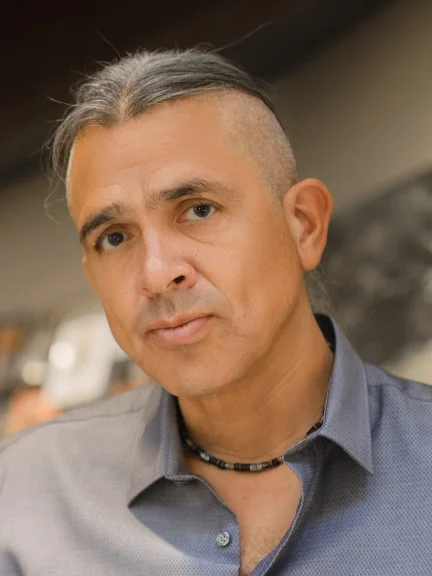
Dr. Travan and Dr. Travis Jasper, identical brothers who grew up in a low‑income neighborhood of Richmond, now share the helm of Chippenham Hospital’s emergency department. After a pivotal visit to a local clinic when they were twelve, the experience ignited a determination to pursue medicine and break the cycle of hardship that had defined their family’s life.
In a candid conversation with CBS’s Steve Hartman, the twins recounted how the trauma of watching loved ones suffer without adequate care transformed into a drive to create a healing environment for others. They describe their joint leadership style as a blend of empathy, rapid decision‑making, and a commitment to mentoring the next generation of clinicians, especially those from under‑represented backgrounds.
In-Depth Analysis & Key Details
The Jasper brothers’ ascent reflects a larger narrative about the barriers that economic disadvantage imposes on entry into the medical profession. Studies show that students from low‑income families are significantly under‑represented in medical schools, a gap that the twins attribute to early exposure, scholarships, and community support programs that helped them navigate the rigorous academic pipeline.
Their current roles also signal a shift in hospital administration toward more collaborative models, where shared leadership can improve staff morale and patient outcomes. By openly discussing their upbringing, the twins are challenging the stigma attached to poverty in healthcare settings and advocating for policies that expand mentorship and financial aid for aspiring physicians from similar backgrounds.
Why This Matters & What Lies Ahead
For Richmond residents, the twins’ presence at the front lines of emergency care means a more culturally attuned and compassionate service, potentially reducing disparities in treatment outcomes for underserved populations. Their story is already inspiring local schools and nonprofit organizations to launch outreach initiatives aimed at identifying and nurturing talent in impoverished neighborhoods.
Looking ahead, the Jasper brothers plan to partner with state health officials to develop a pipeline program that offers shadowing, tutoring, and scholarship opportunities for high‑school students interested in health careers. If successful, the model could be replicated nationwide, reshaping the demographic landscape of the medical workforce and strengthening community health resilience.