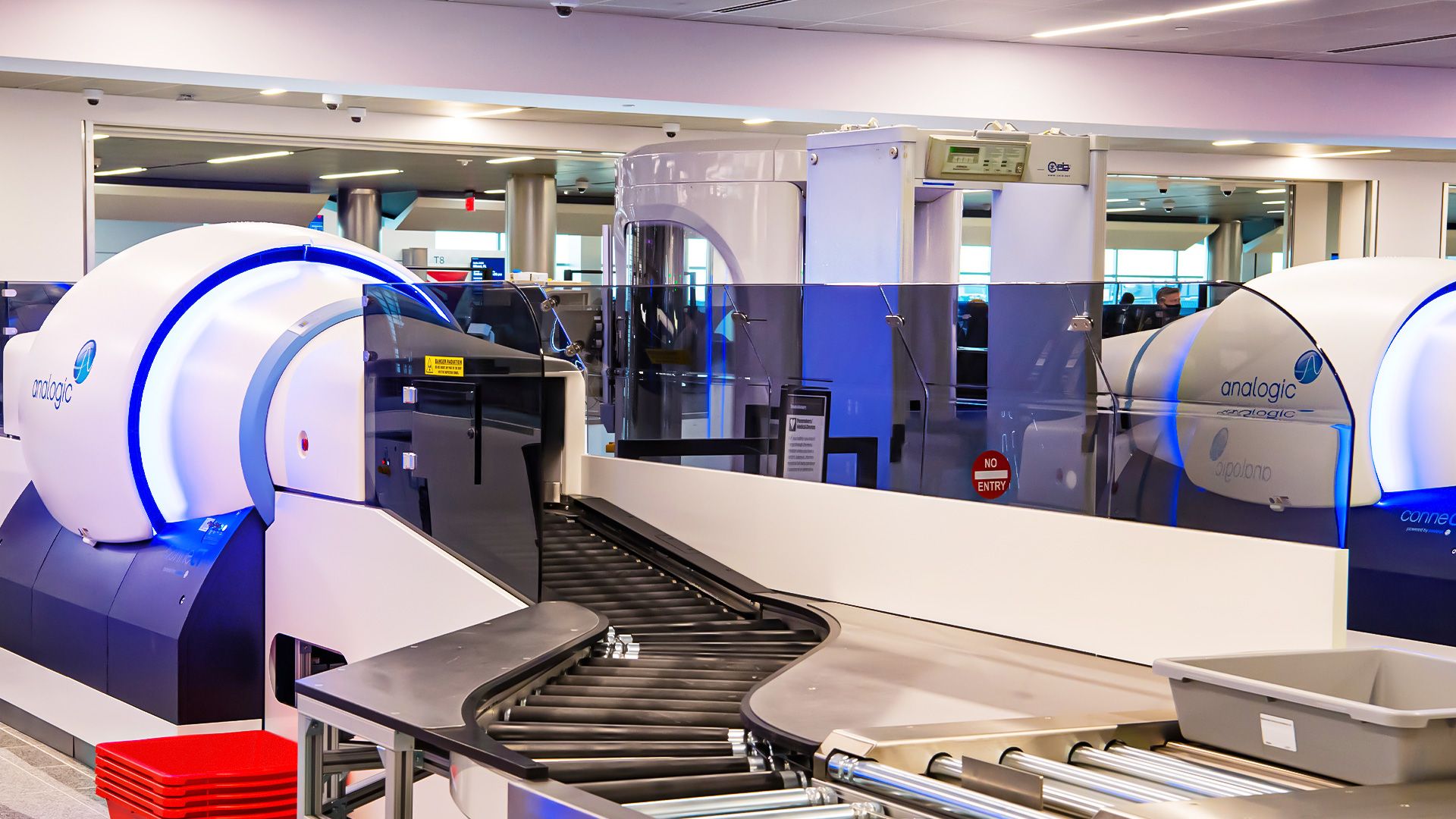
The shift toward Next Generation Technology (NGT) scanners at major U.S. airports has been hailed as a landmark improvement in passenger convenience, allowing travelers to retain laptops and tablets within their carry-on luggage. However, this operational upgrade introduces a less-discussed consequence: the intense, multi-angle X-ray beams required to image complex electronics without physical removal are now routinely passing through other high-value gear. As passengers clear security at hubs like Atlanta, Chicago, and Seattle, their cameras, drones, and portable medical monitors are subjected to the same rigorous scanning protocol designed to detect threats inside laptops, raising questions about the cumulative impact on sensitive digital components.
This development is not isolated to a single airport but represents a systemic change in screening infrastructure across the nation’s busiest terminals. The NGT systems, which employ advanced backscatter and transmission technologies, are engineered to see through layers of fabric and hard cases with unprecedented clarity. While the radiation dose is well within safety limits for human health, the technical specifications of these scanners mean that electronic devices are exposed to energy levels that can, over time, affect the performance of image sensors and lithium-ion battery chemistry. Travelers who frequently fly with professional-grade equipment are finding that their gear is being processed in a way that differs significantly from the older, lower-intensity screening methods previously used for non-laptop items.
Official statements from the Transportation Security Administration emphasize that the technology is rigorously tested for safety and efficiency, with no known adverse effects on consumer electronics. However, industry voices from the photography and drone sectors are pushing back, citing anecdotal evidence of increased failure rates in devices that undergo frequent air travel. The lack of explicit guidance from the TSA regarding the protection of non-laptop electronics has left travelers in a gray area, where the convenience of keeping items in their bags comes with an unquantified risk to their equipment’s longevity and performance.
In-Depth Analysis & Key Details
The historical context of airport security screening reveals a trajectory driven primarily by threat mitigation rather than asset preservation. Since the 9/11 attacks, the TSA has focused on detecting explosives and weapons, leading to the implementation of increasingly powerful imaging technologies. The introduction of NGT scanners was a strategic move to reduce bottlenecks and improve the passenger experience, particularly in response to complaints about the time-consuming process of removing laptops. However, this shift has inadvertently created a new category of risk: the exposure of non-essential, high-value electronics to high-intensity radiation. The structural forces at play here include the economic pressure to maintain high throughput at airports and the technological imperative to keep up with evolving security threats, both of which have prioritized speed and detection accuracy over the preservation of passenger property.
Competing perspectives on this issue highlight a fundamental tension between regulatory priorities and consumer interests. The TSA and airport authorities argue that the current scanning protocols are safe and effective, with no evidence of widespread damage to electronics. On the other hand, manufacturers and professional photographers contend that the cumulative effect of repeated high-energy scans can lead to subtle but significant degradation in device performance. This debate is further complicated by the lack of standardized testing protocols for the impact of NGT scanners on consumer electronics, leaving the industry to rely on anecdotal evidence and internal research. The economic consequences of this uncertainty are beginning to manifest in increased insurance claims and a growing preference for ground transport among high-value gear owners.
Expert domain context suggests that the issue is more nuanced than a simple binary of safe or unsafe. While the radiation levels are insufficient to cause immediate harm, the long-term effects on sensitive components like CMOS sensors and battery cells are not fully understood. Some experts argue that the risk is overstated, pointing to the fact that these devices are already exposed to various forms of radiation during manufacturing and normal use. Others, however, caution that the specific frequency and intensity of NGT scans may interact with certain materials in ways that are not accounted for in current safety standards. This lack of consensus underscores the need for more rigorous, independent research to clarify the potential impacts of modern screening technologies on consumer electronics.
"The convenience of keeping your laptop in your bag comes with a hidden cost: your camera, drone, or medical device is now being subjected to a screening process designed to find threats, not protect your investment."
Why This Matters & What Lies Ahead
For everyday travelers, this development represents a subtle but significant shift in the risks associated with air travel. While the immediate health risks are negligible, the potential for financial loss due to damaged electronics is a real concern for those who rely on high-value gear for their livelihoods. Professional photographers, videographers, and drone operators are particularly vulnerable, as the cost of replacing damaged equipment can be substantial. This issue also has broader implications for the travel industry, as it may influence consumer behavior and increase the demand for specialized insurance coverage for electronic assets. The lack of clear guidance from regulatory bodies leaves travelers to make their own risk assessments, potentially leading to increased anxiety and frustration at security checkpoints.
Looking ahead, several milestones and regulatory developments will be critical in shaping the future of this issue. The TSA is expected to continue expanding the use of NGT scanners to more airports, which will increase the number of passengers exposed to this technology. In response, consumer advocacy groups and industry associations are likely to push for more transparent communication and clearer guidelines on the safety of electronic devices. Additionally, manufacturers may begin to include specific warnings in their user manuals regarding air travel and the potential risks of high-energy scanning. The upcoming federal budget cycles and regulatory reviews will provide opportunities for stakeholders to advocate for changes in screening protocols or the development of alternative technologies that minimize the impact on passenger property. Monitoring these developments will be essential for understanding how the balance between security and convenience will evolve in the coming years.
Source: Reported by Simple Flying · Analyzed & Synthesized by DNB Newsroom