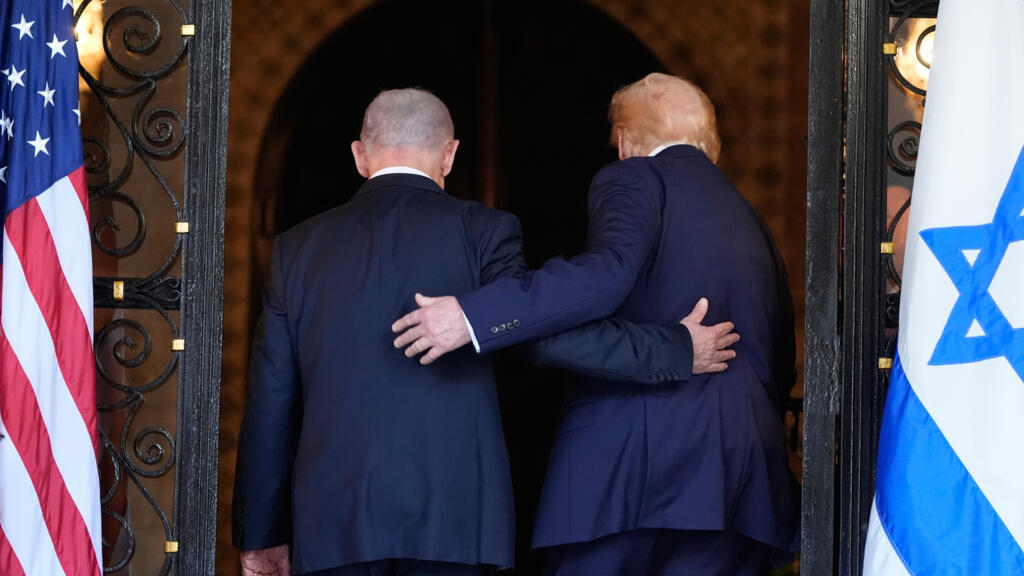
President Donald Trump appeared on Fox & Friends on Tuesday to announce that the United States will terminate the final tranche of a $4 billion aid package to Israel at the close of the current year. The statement came amid a broader domestic agenda focused on curbing foreign expenditures and reallocating resources to U.S. infrastructure projects.
The aid, originally authorized under the 2016 Memorandum of Understanding, comprises both military equipment financing and economic support earmarked for Israel’s defense industry and civilian infrastructure. Trump asserted that Israel’s own defense budget now exceeds the level that justified U.S. subsidies, and that the nation can sustain its security posture without further American cash.
White House officials confirmed the president’s remarks but declined to provide a detailed implementation timeline. Israeli officials, speaking through the Ministry of Foreign Affairs, expressed disappointment but emphasized that bilateral security cooperation would continue under existing agreements. Congressional leaders from both parties signaled intent to review the proposal before any funds are formally withdrawn.
In-Depth Analysis & Key Details
The United States has maintained a near‑uninterrupted flow of aid to Israel for more than seven decades, a policy rooted in Cold‑War geopolitics and a shared strategic outlook in the Middle East. Over the past decade, the aid package grew to roughly $3.8 billion annually, a figure that critics argue inflates Israel’s defense budget while limiting flexibility in U.S. foreign‑policy budgeting.
Trump’s declaration arrives as the administration pushes a broader “America First” fiscal agenda, seeking to redirect billions toward domestic priorities. Lawmakers have long debated the aid’s efficacy, with some Republicans questioning its relevance and Democrats warning of potential destabilization. Economically, the cut could affect U.S. defense contractors that rely on Israeli orders, while Israel may need to source alternative financing or accelerate indigenous production.
Policy analysts note that the move could set a precedent for reassessing other long‑standing aid commitments, such as those to Egypt and Jordan. The decision also intersects with ongoing diplomatic friction over settlement expansion and regional normalization efforts, raising questions about how future aid will be conditioned on political benchmarks.
"Halting the $4 billion stream marks a watershed moment that forces both Washington and Jerusalem to rethink a partnership long taken for granted."
Why This Matters & What Lies Ahead
For ordinary Americans, the reallocation of billions could translate into accelerated infrastructure upgrades, expanded broadband access, or increased funding for domestic health programs, aligning with the administration’s promise to prioritize internal needs. Conversely, Israeli security planners must now confront budgetary shortfalls that could influence procurement cycles, joint training exercises, and the pace of advanced weapons development.
The coming months will likely see congressional hearings, potential legislative amendments to the 2016 Memorandum of Understanding, and diplomatic engagements aimed at mitigating any security gaps. Stakeholders will watch closely for a possible legal challenge, as well as the reaction of regional allies who may interpret the shift as a signal of waning U.S. commitment in a volatile theater.
Source: Reported by France 24 · Analyzed & Synthesized by DNB Newsroom


