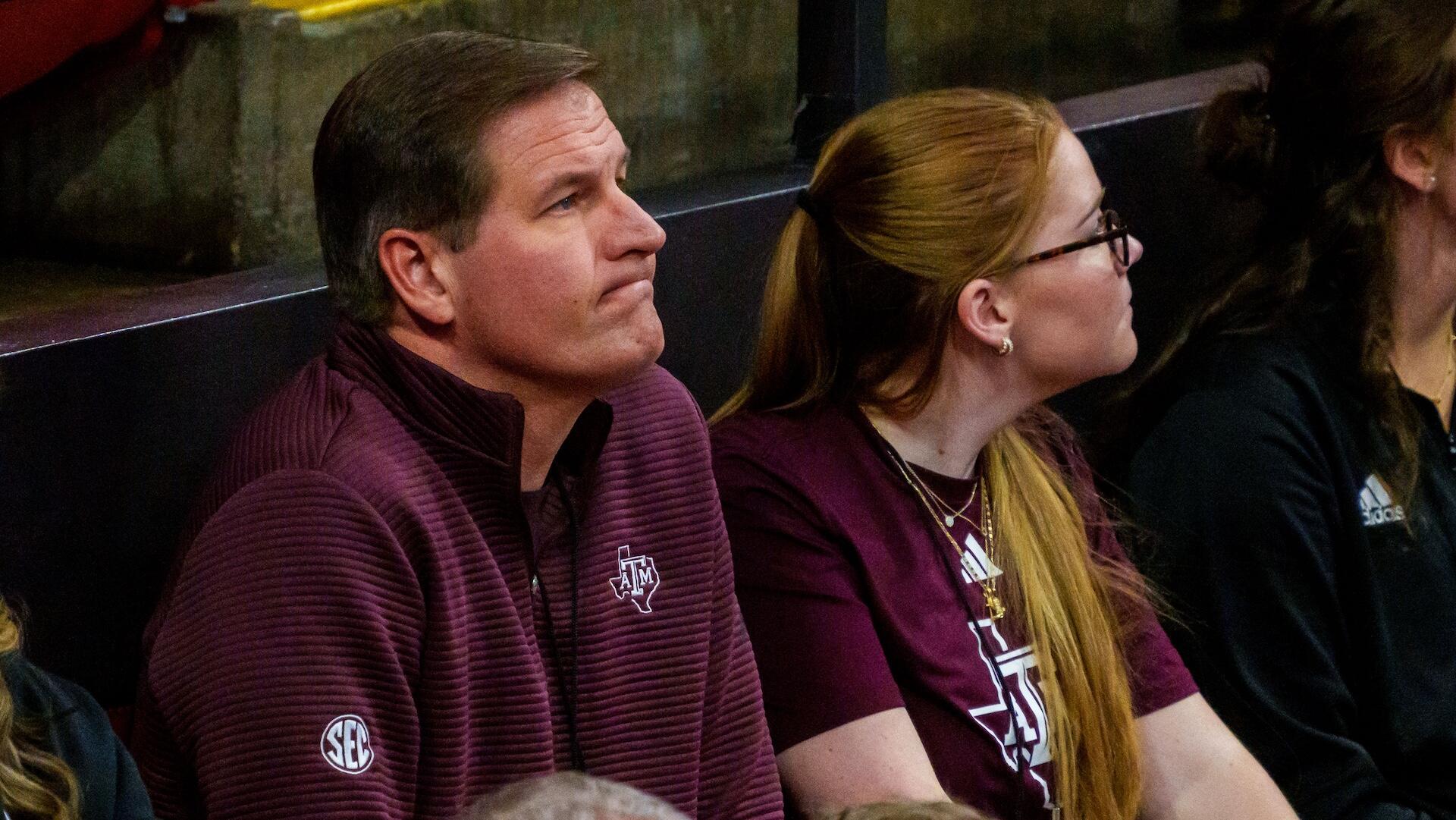
The University of Michigan announced Tuesday that Trev Alberts, who most recently served as Texas A&M's athletic director, will assume the top administrative role for its sports programs, effective later this summer. Alberts arrives at a time when Michigan's athletic department is grappling with a series of scandals that have eroded public confidence and strained donor relations.
The hiring comes as the Wolverines' football program, now under the direction of first‑year head coach Kyle Whittingham, continues to underperform relative to preseason expectations, prompting calls for a comprehensive review of coaching staff and operational oversight. Alberts will inherit a complex landscape that includes ongoing investigations into recruiting violations and a campus climate demanding greater transparency.
In a brief statement, Michigan's university president emphasized that Alberts brings a track record of fiscal responsibility and crisis management, while Alberts himself expressed enthusiasm for the challenge, noting his commitment to rebuilding a culture of integrity and competitive excellence.
In-Depth Analysis & Key Details
Michigan's decision to recruit Alberts reflects a broader trend in collegiate athletics where institutions seek seasoned administrators with experience navigating NCAA compliance issues and large‑scale budgetary constraints. Historically, the Wolverines have enjoyed a reputation for stability, but recent governance lapses have exposed vulnerabilities in oversight mechanisms that alumni and sponsors now demand be addressed.
The move also underscores the tension between athletic performance and institutional accountability. While the football program's lackluster results have sparked fan frustration, the underlying administrative turmoil—stemming from alleged recruiting infractions and internal audits—has amplified pressure on the university's leadership to demonstrate decisive corrective action. Economic implications are notable, as diminished ticket sales and reduced merchandise revenue threaten the department's financial health.
Industry observers note that Alberts' tenure at Texas A&M was marked by successful fundraising campaigns and the implementation of robust compliance frameworks. His expertise is expected to inform Michigan's strategic planning, particularly in aligning athletic ambitions with academic standards and donor expectations.
"Alberts' arrival marks a pivotal moment for Michigan, where restoring trust and competitive vigor must go hand in hand."
Why This Matters & What Lies Ahead
For students, alumni, and the broader fan base, the leadership transition promises a more transparent and accountable athletic environment, potentially improving the student‑athlete experience and safeguarding scholarship opportunities. Moreover, a stabilized Michigan program could influence conference revenue distribution, affecting media contracts and sponsorship deals that extend beyond campus borders.
Stakeholders will be watching closely as Alberts outlines his first 90‑day plan, with particular attention to upcoming NCAA compliance reviews, the scheduling of the next Big Ten fiscal audit, and the timing of the university's annual donor pledge drive. These milestones will serve as early indicators of whether the administration can reverse the current trajectory and reestablish Michigan as a benchmark for excellence in collegiate sports.
Source: Reported by CBS Sports · Analyzed & Synthesized by DNB Newsroom


