A tragic aviation accident unfolded on Sunday evening when a small aircraft met with a fatal crash within the boundaries of the Grand Canyon. The incident occurred in the North Rim area, a region known for its rugged topography and limited infrastructure. Emergency responders and federal authorities confirmed that three individuals were on board the plane at the time of the impact, and none of the occupants survived the collision. The discovery of the wreckage has initiated a formal investigation into the circumstances surrounding the loss of the aircraft and its crew.
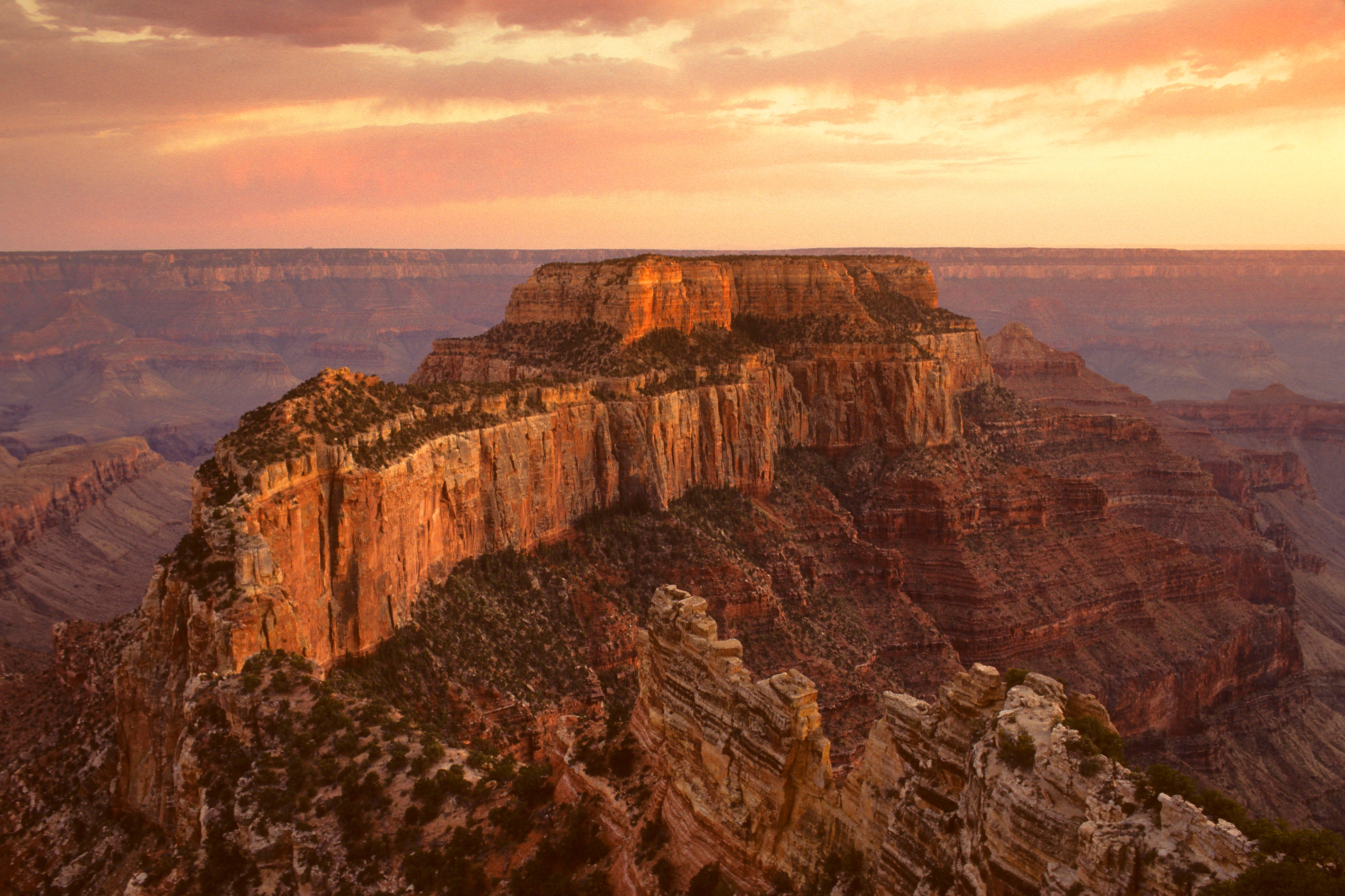
The geographical context of the crash presents immediate logistical challenges for recovery teams. The North Rim of the Grand Canyon is significantly less accessible than the South Rim, featuring steep cliffs, dense vegetation, and limited road networks. This remoteness has slowed the initial response efforts, requiring specialized equipment and personnel to navigate the hazardous terrain safely. The delay in reaching the site underscores the inherent risks associated with flying over and landing in such protected and difficult-to-access natural landmarks.
Official statements from local law enforcement and the National Park Service have focused on the confirmation of the fatalities and the ongoing coordination with federal aviation authorities. While specific details regarding the identities of the victims and the exact cause of the crash remain under investigation, initial reports indicate that the plane was found in a remote sector of the canyon. Stakeholders, including aviation safety advocates, are closely monitoring the situation as authorities work to secure the scene and gather forensic evidence that may reveal mechanical failures, human error, or environmental factors contributing to the disaster.
In-Depth Analysis & Key Details
The crash in the Grand Canyon adds to a long history of aviation incidents in the United States' most iconic natural landscapes. While general aviation accidents are statistically rare, the consequences in remote wilderness areas are often severe due to delayed rescue times and harsh environmental conditions. Historically, the Grand Canyon has been a challenging environment for aircraft, with strong updrafts, downdrafts, and complex wind patterns that can pose significant hazards to pilots, particularly those operating small, single-engine planes. The structural forces at play include the tension between the recreational and commercial use of low-altitude flight paths and the preservation of sensitive ecological and geological sites.
Regulatory debates surrounding general aviation in national parks have intensified in recent years, with industry analysts observing a push for stricter adherence to designated flight corridors. Competing perspectives exist between aviation enthusiasts who value the freedom of flight and conservationists who advocate for no-fly zones or restricted altitudes to protect wildlife and prevent accidents. The economic consequences of such incidents extend beyond the immediate loss of life, impacting insurance premiums for general aviation operators and potentially leading to increased regulatory oversight and compliance costs for small aircraft manufacturers and operators.
Expert domain context suggests that the investigation will likely focus on a combination of mechanical integrity, pilot proficiency, and weather conditions at the time of the crash. Aviation safety advocates note that while modern avionics have improved situational awareness, the human element remains a critical factor in remote flying. The incident serves as a stark reminder of the dangers inherent in operating in uncontrolled airspace over rugged terrain, where the margin for error is minimal and the consequences of miscalculation are often fatal.
"The remoteness of the North Rim transforms a standard aviation incident into a complex forensic and logistical challenge, underscoring the persistent gap between recreational flying ambitions and the unforgiving realities of wilderness terrain."
Why This Matters & What Lies Ahead
This incident has direct implications for public safety and the regulation of general aviation in protected areas. For everyday readers and aviation enthusiasts, it highlights the risks associated with flying in remote regions and the critical importance of adhering to safety protocols and weather advisories. The event may influence public policy discussions regarding the expansion of no-fly zones or the implementation of mandatory technology upgrades for aircraft operating near national parks. Additionally, the financial markets for aviation insurance and general aviation equipment may see short-term volatility as insurers reassess risk profiles for operations in high-hazard zones.
Key upcoming milestones to monitor include the release of the preliminary report by the National Transportation Safety Board (NTSB), which will provide initial findings on the cause of the crash. Regulatory bodies may convene emergency sessions to review flight path regulations in the Grand Canyon area, potentially leading to new mandates for pilot training or aircraft maintenance standards. Stakeholders should also watch for legislative proposals aimed at enhancing search and rescue capabilities in remote national parks, as well as any changes in insurance policies that could affect the affordability of general aviation for private operators.
Source: Reported by CBS News · Analyzed & Synthesized by DNB Newsroom