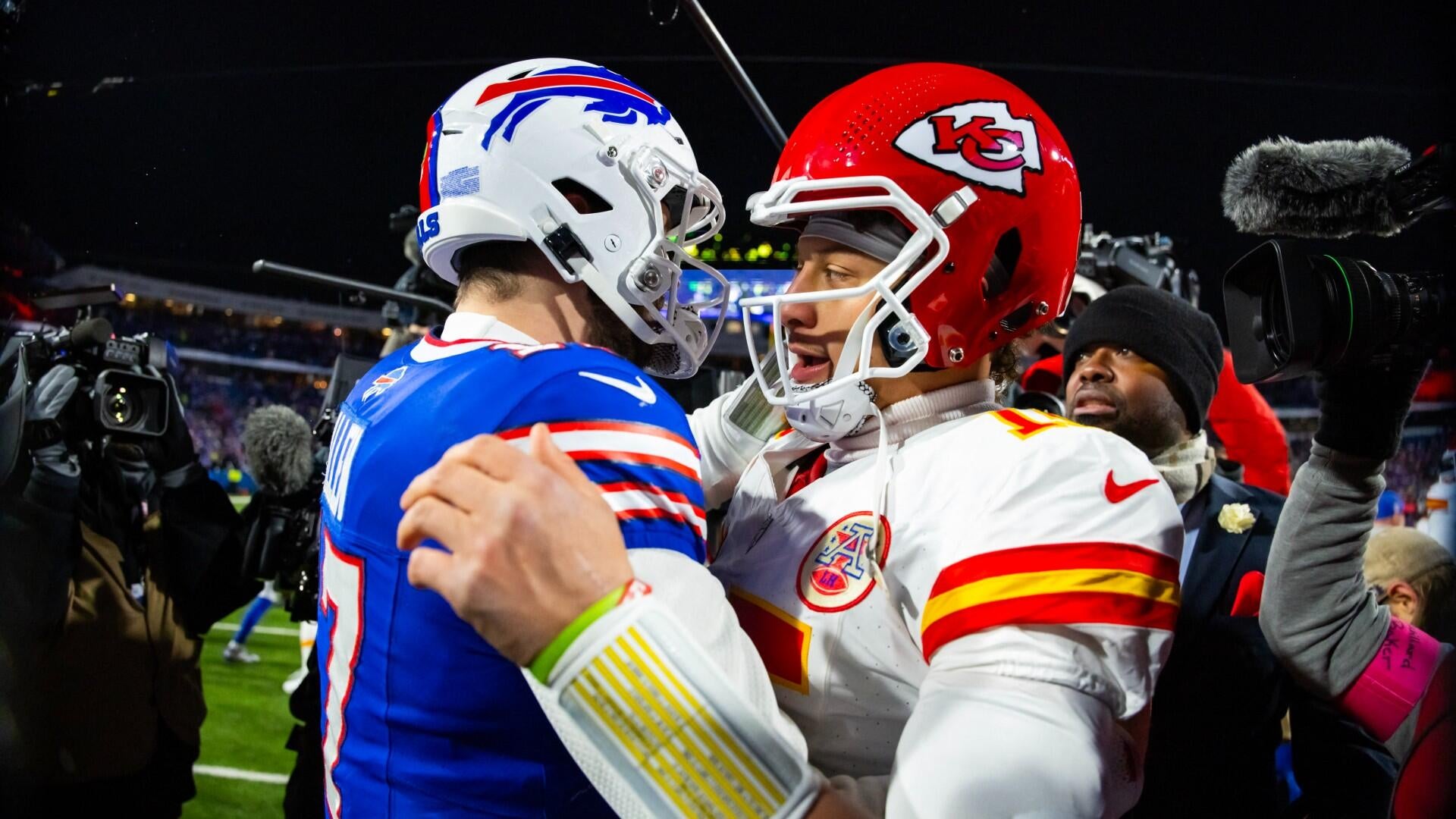
SportsLine, the data‑driven sports‑analytics firm that supplies odds to major bookmakers, released its Thanksgiving Day NFL betting model on Tuesday, highlighting a three‑leg parlay that returns more than 17‑to‑1. The forecast is based on a massive computational exercise that ran ten thousand simulations of the three games scheduled for November 28, 2026, incorporating player health reports, weather forecasts, and historical performance metrics.
The model zeroes in on the Detroit Lions, who are projected to exceed 30 points against the Green Bay Packers, the Dallas Cowboys, who are expected to pull off a narrow upset over the Chicago Bears, and the Buffalo Bills, who are forecast to keep the New England Patriots under 20 points before sealing the game with a decisive field goal. All three outcomes must materialize for the parlay to hit, a combination that the simulation rates at a 6.2% likelihood.
SportsLine’s chief data scientist, who declined to be named, said the firm’s confidence stems from “real‑time injury updates and advanced weather modeling that traditional oddsmakers often overlook.” Bookmakers have already taken note, with several major sportsbooks posting adjusted lines for the three games within hours of the release, while consumer‑protection groups are preparing statements on the potential for heightened betting activity during the holiday.
In-Depth Analysis & Key Details
The Thanksgiving Day NFL slate has long been a magnet for high‑stakes wagers, dating back to the early 1990s when the league first expanded the holiday schedule. Over the past decade, the proliferation of algorithmic betting models has shifted the power balance from bookmakers to data firms that can process granular inputs at scale. SportsLine’s latest effort reflects this trend, leveraging machine‑learning techniques that ingest over 1,200 variables per game, from player fatigue indices to stadium wind speeds.
Regulatory bodies, including the Nevada Gaming Control Board, have expressed concern that sophisticated models could widen the information gap between seasoned bettors and casual fans. Industry analysts observe that as predictive accuracy improves, sportsbooks may tighten margins or introduce “parlay protection” rules to mitigate exposure. Meanwhile, the betting market’s rapid response to the model’s release illustrates how quickly odds can be reshaped by a single data point, underscoring the fluid nature of modern sports wagering.
Experts in sports economics note that the projected 17.3‑to‑1 payout, while enticing, also signals a potential shift in betting behavior toward multi‑leg wagers that promise outsized returns. This could pressure sportsbooks to diversify product offerings, such as offering “partial‑parlay” options that allow bettors to cash out after two legs succeed, thereby managing risk while catering to demand for high‑reward bets.
"When a model predicts a 6.2% chance of a three‑leg parlay, it forces the entire betting ecosystem to recalibrate – from the odds board to the consumer’s wallet."
Why This Matters & What Lies Ahead
For the average fan, the allure of a 17‑to‑1 return on a single holiday ticket could translate into a significant financial windfall, but it also raises the stakes of casual gambling during a family-oriented holiday. Increased betting volume may amplify concerns about problem gambling, prompting consumer‑advocacy groups to call for clearer disclosures and tighter limits on holiday wagering promotions.
Looking ahead, the NFL’s upcoming meeting with the Sports Betting Integrity Commission in early December will likely address the growing influence of predictive analytics on betting markets. Observers will watch for any regulatory adjustments, such as mandatory reporting of algorithmic odds or caps on parlay payouts, that could shape the landscape for the remainder of the 2026 season and beyond.
Source: Reported by CBS Sports · Analyzed & Synthesized by DNB Newsroom