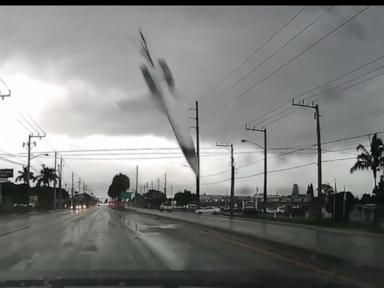
A private jet that departed from a Texas airport met a fatal fate late Thursday evening as it descended into a residential neighborhood of Palm Beach, Florida, killing all nine individuals on board, including the pilot, co‑pilot, and seven passengers. The aircraft, a midsize business jet, was en route to a corporate event in the Southeast when it vanished from radar approximately 15 minutes before its scheduled arrival.
First responders arrived within ten minutes of the impact, finding the fuselage embedded in the front yard of a single‑family home, causing extensive structural damage but no injuries to the occupants of the dwelling. Firefighters extinguished a post‑crash blaze while hazardous‑materials teams secured the site, and the Federal Aviation Administration (FAA) established a temporary flight‑restriction zone to protect ongoing evidence collection.
Federal officials, including NTSB Chairman Jennifer Homendy, issued a brief statement emphasizing that the investigation is in its early stages and that no definitive cause has been identified. State and local leaders expressed condolences to the victims’ families and pledged full cooperation with federal investigators, while the airline that chartered the jet has suspended all similar operations pending the outcome of the probe.
In-Depth Analysis & Key Details
The crash occurs against a backdrop of rising concerns about the safety record of private and corporate aviation, a sector that has historically operated under less stringent oversight than commercial airlines. Over the past decade, the FAA has faced criticism for allowing aging fleets to continue flying without mandatory upgrades, and the NTSB has repeatedly called for more robust data‑recording requirements on business jets. This incident revives those debates, as preliminary reports suggest a possible mechanical failure or pilot error, both of which have been cited in prior accidents involving similar aircraft models.
Regulatory bodies are currently weighing proposals to mandate real‑time flight‑data streaming for all jets carrying more than five passengers, a measure that industry groups argue could impose prohibitive costs. Meanwhile, consumer advocacy organizations are urging Congress to allocate additional funding for the NTSB to accelerate investigative timelines and expand its technical capabilities. The economic implications are significant: insurers estimate that each fatal crash in the private‑jet market can trigger premium hikes of up to 15 percent for operators nationwide.
Aviation safety expert Dr. Luis Ramirez of Embry‑Riddle Aeronautical University notes that the convergence of aging airframes, limited pilot training standards, and fragmented oversight creates a “perfect storm” for accidents. He points out that the last five years have seen a 22 percent increase in incidents involving aircraft under 10,000 pounds, underscoring the urgency of systemic reforms. Ramirez cautions that without decisive policy action, the industry may face a cascade of similar tragedies, eroding public confidence in private air travel.
"The loss of nine lives in a single, preventable event highlights a glaring safety chasm that the aviation community can no longer afford to ignore."
Why This Matters & What Lies Ahead
For everyday travelers and businesses that rely on private aviation for speed and flexibility, the crash raises immediate questions about the reliability of current safety safeguards. Families of victims are confronting sudden loss while also confronting potential legal battles over liability, insurance payouts, and compensation. Moreover, the incident could deter corporate clients from chartering private jets, prompting a shift toward alternative transportation modes that may be less efficient but perceived as safer.
Legislators in both Florida and Texas have signaled intentions to introduce hearings within the next quarter to examine the adequacy of existing oversight mechanisms. The NTSB is expected to release an interim report within 90 days, which could trigger emergency rulemaking by the FAA. Stakeholders—including aircraft manufacturers, charter operators, and insurance firms—are closely monitoring these developments, as any regulatory tightening could reshape operational costs, market dynamics, and the broader landscape of U.S. general aviation.
Source: Reported by CBS News · Analyzed & Synthesized by DNB Newsroom