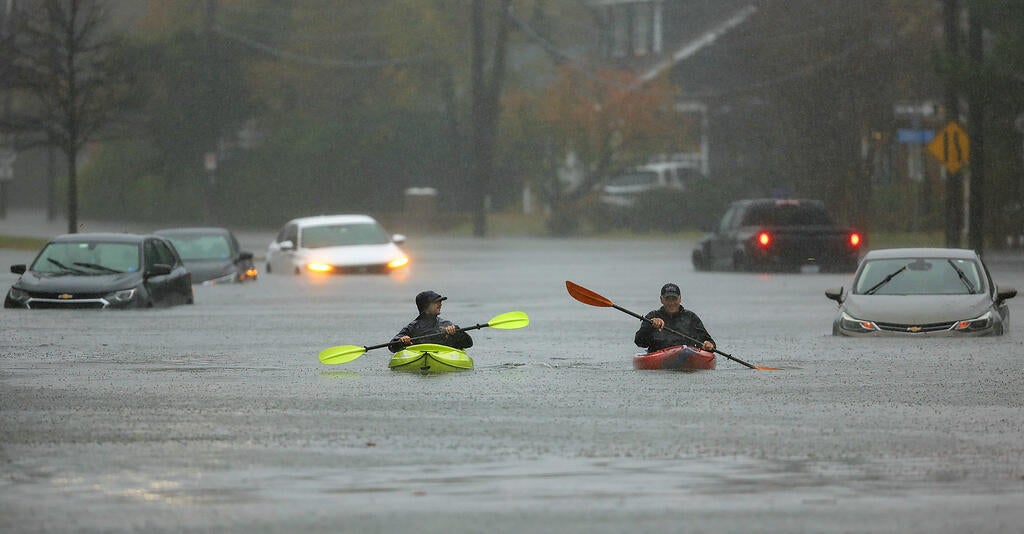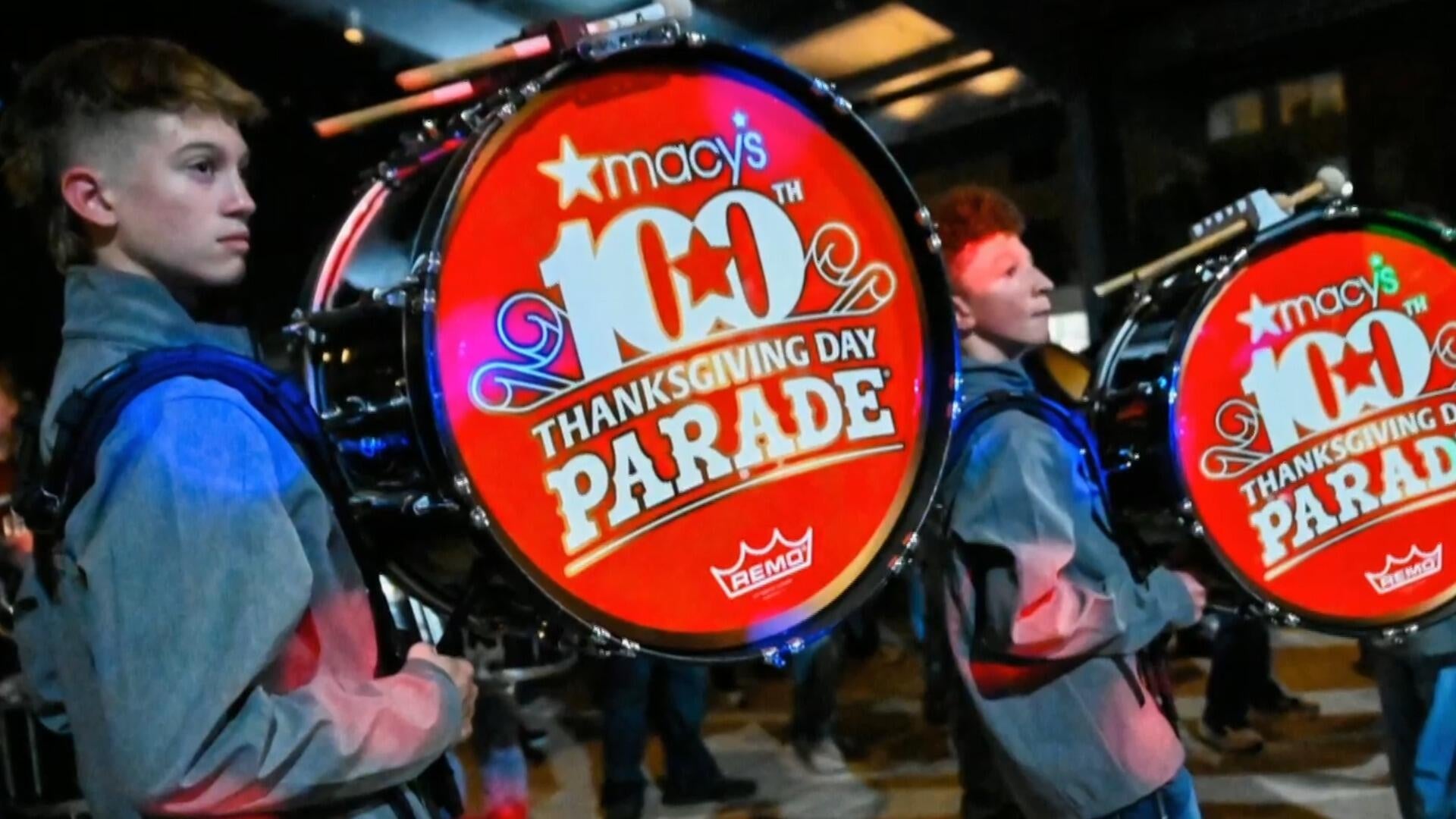
When the Thanksgiving Day Parade was unexpectedly postponed due to severe weather warnings, the scheduled performance by a Texas high school marching band faced cancellation. The band, which had spent months rehearsing for the nationally televised event, risked losing a rare showcase opportunity that many students had anticipated since freshman year.
In response, the town’s mayor convened an emergency meeting with school administrators, local businesses, and volunteer groups. Within hours, a coordinated plan emerged: a community‑wide fundraising campaign, the donation of a school bus fleet for transport, and the reservation of the city’s outdoor stadium as a substitute performance site. The initiative drew contributions from grocery chains, civic clubs, and private donors, quickly surpassing the $10,000 threshold needed to cover logistical costs.
Mayor Carla Reyes, addressing a live‑streamed press conference, praised the collective effort, noting that “our students’ dedication deserves a stage, even when the weather tries to silence it.” School principal James Ortega echoed the sentiment, emphasizing the band’s role in fostering discipline, teamwork, and cultural pride among the youth. Parade organizers confirmed the band’s slot would be honored at the rescheduled show, slated for the following Saturday afternoon.
In-Depth Analysis & Key Details
The postponement of the Thanksgiving Day Parade is not an isolated incident; historically, large‑scale public celebrations have been vulnerable to weather disruptions, logistical bottlenecks, and public safety concerns. In the past decade, several major cities have developed contingency protocols, yet many community‑based participants—especially school groups—remain dependent on external funding and venue availability.
Regulatory bodies such as the National Weather Service and local emergency management agencies dictate when large gatherings must be delayed, but they rarely provide guidance on how to preserve ancillary performances. This gap forces municipalities to improvise, often relying on ad‑hoc partnerships between schools, private sponsors, and civic institutions. Economically, the swift reallocation of resources—transport, security, and venue staffing—demonstrates the town’s capacity to absorb unexpected costs without diverting municipal budgets, a factor that analysts view as a benchmark for resilient event planning.
Education advocates point out that marching bands serve as experiential learning labs, where students apply music theory, physics of sound, and physical conditioning. By safeguarding the band’s opportunity, the town not only protects a cultural tradition but also upholds an informal curriculum that contributes to higher graduation rates and civic engagement, trends documented in statewide education reports.
"When a community steps in to keep a school band on stage, it preserves more than a performance—it safeguards a living classroom for our youth."
Why This Matters & What Lies Ahead
For families and students, the band’s continued participation translates into a tangible affirmation of their hard work and a morale boost that can influence academic motivation throughout the school year. Moreover, the event draws regional media attention, potentially attracting future sponsorships and tourism dollars that benefit local businesses.
Legislators monitoring arts funding will watch how this grassroots response informs upcoming state budget discussions, especially as the legislature debates increased allocations for extracurricular programs. The town’s next steps include formalizing an emergency arts‑performance protocol and presenting a case study at the upcoming Texas Association of School Administrators conference, where policymakers and educators will evaluate the scalability of this model for other districts facing similar disruptions.
Source: Reported by CBS News · Analyzed & Synthesized by DNB Newsroom