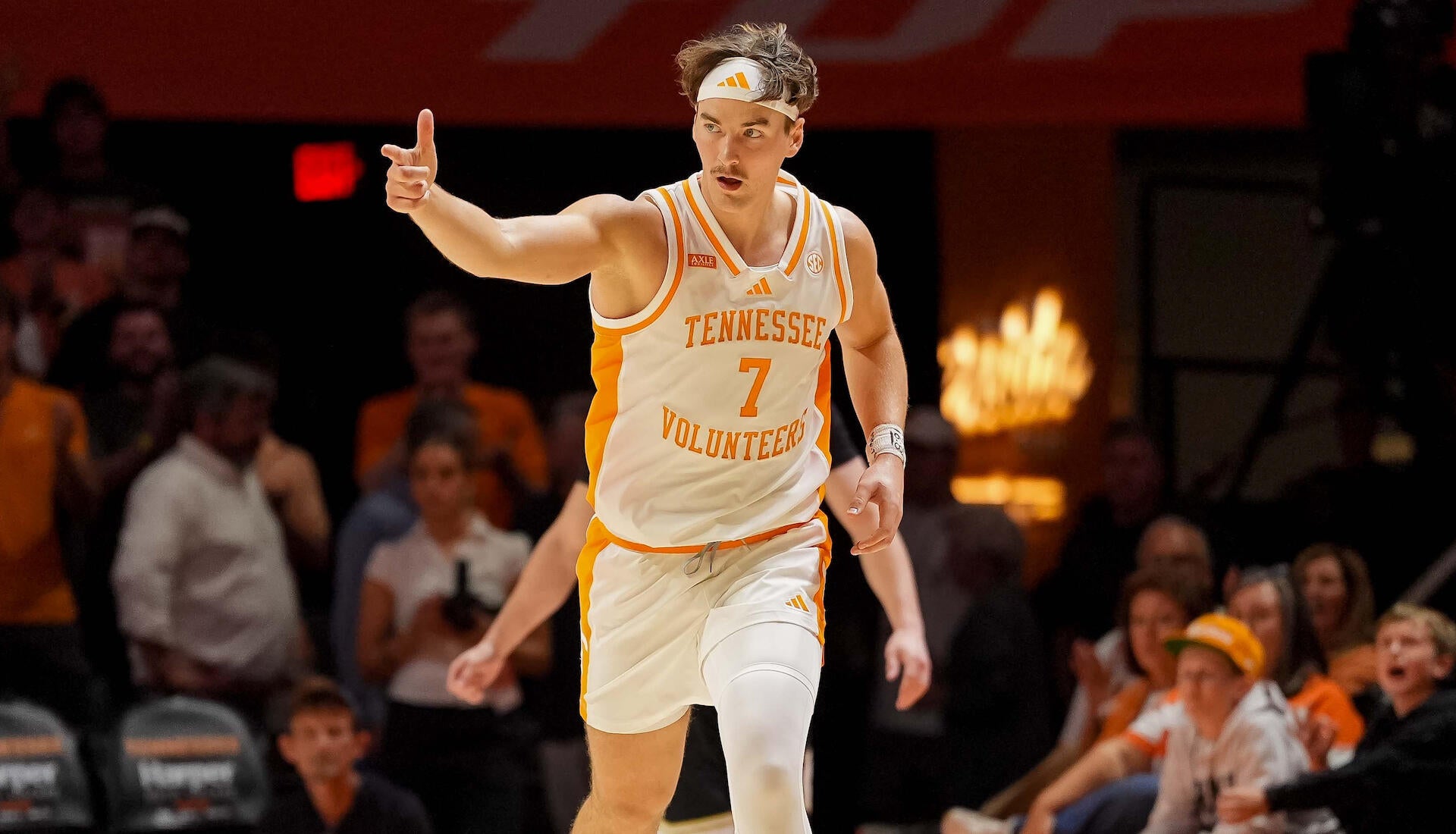
In a bold departure from decades of institutional tradition, the University of Tennessee has implemented a collective bargaining framework for its men's basketball team. This strategic move empowers student-athletes to negotiate terms of their engagement with the university, moving beyond the standard individualized agreements that have characterized college sports since the inception of the modern NCAA structure. By treating its roster as a negotiating unit, the Vols are effectively testing the legal and logistical boundaries of labor law within an academic setting.
The operational context of this pilot is situated within the SEC, a conference that has been at the forefront of the Name, Image, and Likeness (NIL) revolution. Tennessee's administration has structured this initiative to comply with existing state laws while pushing the envelope on what constitutes permissible athlete-employer interactions. The program is designed to provide a controlled environment where the dynamics of group negotiation can be observed, documented, and analyzed for broader applicability across the sport.
University officials have framed this initiative not as a rebellion against the NCAA, but as a proactive adaptation to the changing legal and cultural landscape of higher education athletics. Initial responses from athletic directors across the conference have been cautious, with many citing the need for further clarity on how such arrangements interact with current eligibility rules. The move is widely interpreted as a signal that major programs are preparing for a future where the line between student and employee becomes increasingly blurred.
In-Depth Analysis & Key Details
The historical background of this development is rooted in the long-standing tension between the NCAA's definition of amateurism and the commercial reality of college sports. For over a century, the governing body has maintained that student-athletes are not employees, a stance that has been repeatedly challenged in courtrooms and legislative sessions. The Tennessee experiment represents a practical application of the arguments made by legal scholars and labor advocates who contend that the scale and revenue of modern college athletics necessitate a reclassification of the athlete's role.
Competing perspectives on this issue are sharply divided. Proponents argue that collective bargaining provides a necessary check on institutional power, ensuring that athletes receive a fair share of the billions generated by their performances. Critics, however, warn that introducing labor negotiations into the academic environment could undermine the educational mission of universities and create an unmanageable patchwork of labor agreements across different states and conferences. The economic consequences of such a shift could be profound, potentially leading to higher costs for institutions and changes in how athletic departments are funded and managed.
Industry analysts observe that this pilot is likely to attract significant attention from federal regulators, particularly the Department of Labor and the Federal Trade Commission. The technical intricacies of implementing such a system within the constraints of Title IX and NCAA bylaws present complex challenges. Furthermore, the success or failure of the Tennessee model could influence ongoing antitrust litigation, where the legality of the NCAA's restrictions on player compensation is being scrutinized by federal courts.
"The Tennessee experiment is not merely a policy tweak; it is a structural stress test for the entire collegiate sports model, forcing the NCAA to confront the reality that the amateurism era is rapidly becoming obsolete."
Why This Matters & What Lies Ahead
For everyday consumers and fans, this development signals a potential transformation in the relationship between athletes and the institutions they represent. If collective bargaining becomes widespread, it could lead to more transparent compensation structures and greater player autonomy, fundamentally altering the cultural narrative of college sports. For financial markets, the stability of college sports revenue streams could be impacted as institutions adjust to new labor costs, potentially affecting the valuation of media rights and sponsorship deals.
Key upcoming milestones to monitor include the NCAA's formal response to this pilot program, as well as any legislative actions at the state level that may codify or restrict such bargaining rights. Federal court rulings in ongoing antitrust cases will also be critical in determining the legal viability of collective bargaining in college sports. Stakeholders should closely watch for any changes in NCAA bylaws or new guidelines issued by the Department of Labor in the coming months, as these will shape the future trajectory of athlete labor rights.
Source: Reported by CBS Sports · Analyzed & Synthesized by DNB Newsroom