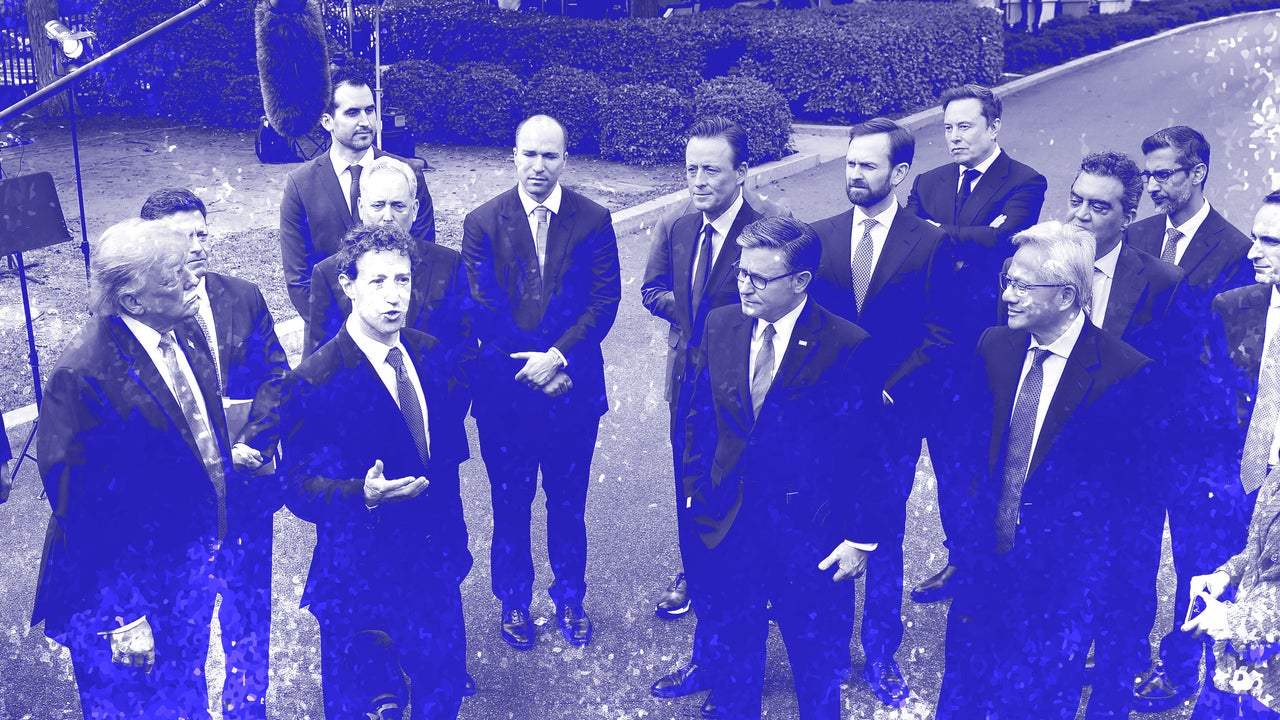
The 2026 midterm elections delivered a pronounced swing toward Democratic candidates, flipping dozens of Senate and House seats and solidifying control of key committees. Within hours of the results, Elon Musk, who controls the X platform, posted a sardonic comment suggesting that any alleged “space‑laser” interference had failed, underscoring the unexpected outcome.
While Musk’s post generated a flurry of reactions across social media, the broader cohort of technology firms that have previously contributed to Trump‑aligned political action committees remained conspicuously mute. Companies that have historically donated millions to Republican causes, including those linked to the former president’s policy agenda, have not released any official statements, nor have they engaged in the typical post‑election commentary.
Spokespersons for several of these firms declined to comment when approached for remarks, citing “ongoing strategic considerations.” The silence has been noted by political analysts who point to the timing as potentially indicative of a recalibration of corporate political strategy in the face of a newly empowered Democratic Congress.
In-Depth Analysis & Key Details
The quietude of the tech sector must be viewed against a backdrop of escalating partisan polarization over digital policy, data privacy, and content moderation. Over the past decade, major platforms have alternated between supporting Republican deregulation initiatives and aligning with Democratic calls for stricter oversight, creating a complex lobbying landscape. The 2026 electoral shift intensifies scrutiny of these relationships, especially as new legislative proposals aim to curb the political influence of large technology firms.
Regulators in Washington are now poised to advance bills that would increase transparency around corporate political spending and impose stricter antitrust measures on dominant platforms. Industry observers note that the current silence could be a tactical pause, allowing companies to reassess their positions before confronting a Congress likely to pursue aggressive reforms.
Experts in campaign finance law highlight that the absence of public statements does not necessarily equate to disengagement. Behind‑the‑scenes negotiations, contributions to newly formed political action committees, and private lobbying efforts may continue, albeit out of the public eye. This covert activity, while permissible, raises concerns about accountability and the influence of unelected corporate actors on policy outcomes.
"The tech sector’s retreat from the public stage signals a strategic recalibration, not abandonment, of political engagement amid a dramatically altered congressional landscape."
Why This Matters & What Lies Ahead
For everyday Americans, the silence of powerful tech firms could translate into fewer corporate voices shaping legislation that directly affects internet access, data security, and the cost of digital services. As Democrats consolidate power, they are expected to push forward a suite of reforms targeting algorithmic transparency, election interference safeguards, and antitrust enforcement—all areas where tech companies have historically wielded significant influence.
Stakeholders should monitor upcoming hearings before the Senate Judiciary Committee slated for early 2027, where executives from leading platforms may be summoned to testify on political advertising practices. Additionally, the House Energy and Commerce Committee is set to introduce a bill mandating real‑time disclosure of political contributions from technology firms, a measure that could reshape the financial architecture of future campaigns.
Source: Reported by Fast Company · Analyzed & Synthesized by DNB Newsroom