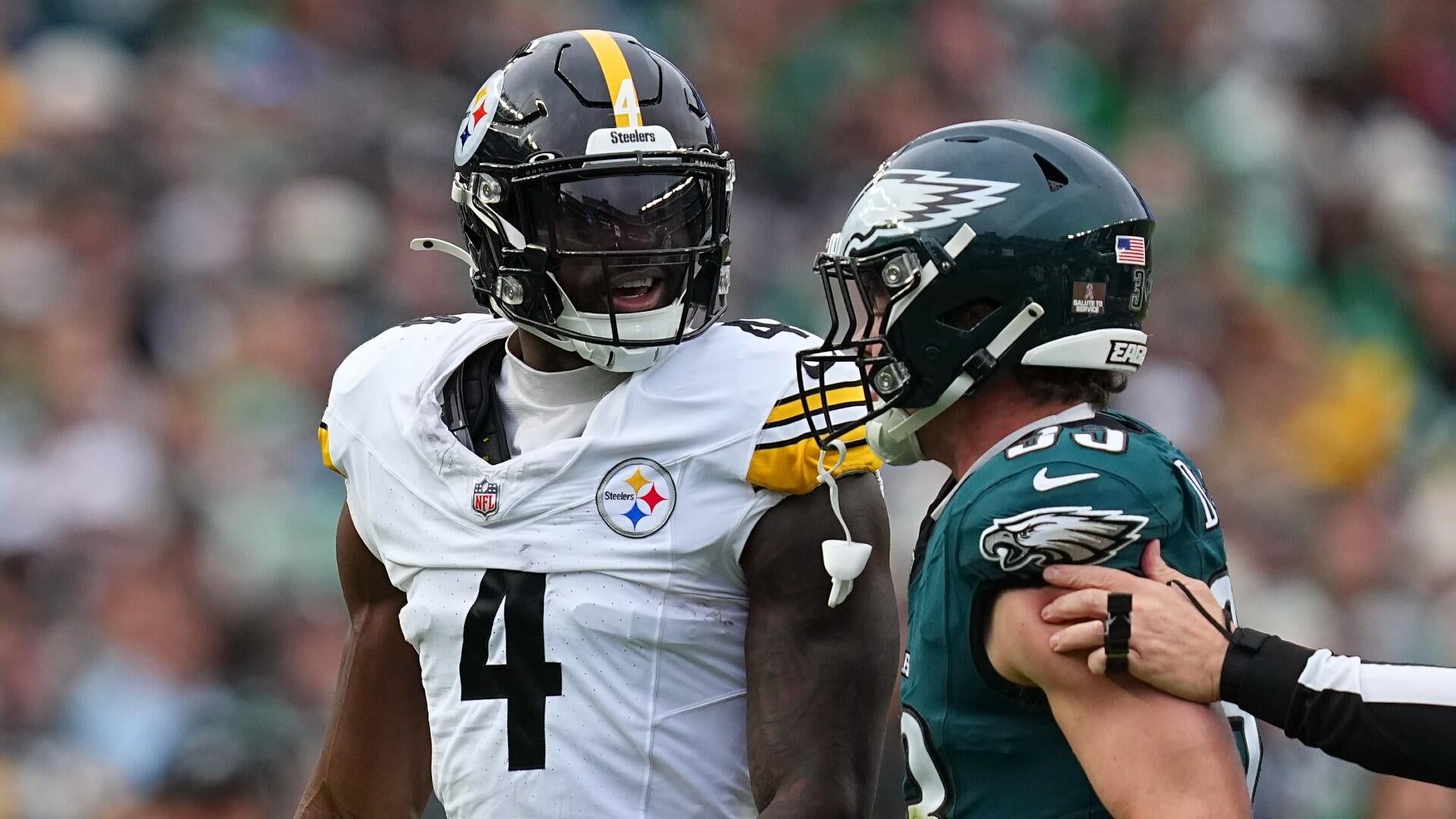
The Pittsburgh Steelers have entered a contentious dialogue with the National Football League following the ejection of wide receiver DK Metcalf during a recent contest against the Philadelphia Eagles. The incident, which drew immediate attention from broadcasters and fans alike, centered on a disputed play where Metcalf was accused of attempting to make contact with Eagles safety Cooper DeJean’s face. Metcalf, who was removed from the field by officials, has since issued a statement denying the allegation, characterizing the event as a standard interaction within the flow of the game rather than a premeditated act of aggression. This denial sets the stage for a formal review by the NFL’s disciplinary committee, which will determine whether the action meets the threshold for additional punishment beyond the on-field ejection.
The geographical and operational context of the incident places it within the high-stakes environment of the AFC North and NFC East matchups, where physicality is often amplified by competitive rivalry. The ejection occurred in a critical phase of the game, disrupting the Steelers’ offensive rhythm and forcing the team to adjust its game plan in real-time. The immediate aftermath saw heightened emotions from both teams’ benches, with the incident serving as a focal point for post-game discussions among coaches and players. The NFL’s interest in the matter is driven by the need to maintain player safety standards, particularly regarding head and neck contact, which has been a subject of intense regulatory focus in recent seasons.
Official responses from the Steelers organization have been measured, with the team supporting Metcalf’s right to present his side of the story while acknowledging the league’s authority to impose further discipline. Metcalf’s denial is expected to be a central element of the review process, with the NFL likely to examine multiple camera angles to verify the intent and nature of the contact. The outcome of this review will not only affect Metcalf’s immediate availability for upcoming games but also serve as a precedent for how similar incidents are handled in the future. Stakeholders within the league are watching closely to see how the NFL balances the need for player safety with the competitive integrity of the game.
In-Depth Analysis & Key Details
The historical background of this incident is rooted in the NFL’s evolving approach to player safety and the increasing scrutiny of on-field conduct. Over the past decade, the league has implemented numerous rule changes aimed at reducing head and neck injuries, including stricter penalties for targeting and illegal contact. These regulatory shifts have created a complex landscape where players must navigate the boundaries between aggressive play and unsportsmanlike conduct. The current incident fits into this broader pattern of disputes, where the interpretation of player intent becomes a critical factor in determining penalties. The NFL’s disciplinary process, which relies heavily on video review and contextual analysis, is designed to ensure consistency in enforcement, but it often leads to debates about fairness and transparency.
Competing perspectives on the incident highlight the tension between player autonomy and league regulation. From the NFL’s standpoint, the priority is to protect players from dangerous plays that could result in severe injuries, particularly to the head and neck. This perspective is supported by data showing the long-term health implications of such injuries, which has driven the league to adopt more stringent enforcement measures. On the other hand, players and some coaches argue that the current rules can sometimes be applied inconsistently, leading to frustration and a perception of bias. The economic consequences of these disputes are significant, as suspensions can affect team performance and, by extension, broadcast ratings and fan engagement. Industry analysts observe that the NFL’s handling of such incidents can influence player morale and the overall competitive balance of the league.
Expert domain context suggests that the incident will be evaluated based on both the physical contact and the perceived intent behind it. The NFL’s disciplinary committee will likely consider factors such as the position of the players, the speed of the play, and the specific angle of contact. This detailed analysis is crucial for determining whether the action constitutes a violation of the league’s rules. The outcome of this review will also inform future interpretations of similar incidents, potentially setting a precedent for how the league addresses disputes involving head and neck contact. The broader implications of this case extend beyond the individual players involved, as it touches on fundamental questions about the nature of professional football and the responsibilities of the league to ensure a safe and fair playing environment.
"The line between competitive aggression and dangerous conduct is increasingly defined by intent, a distinction that the NFL must navigate with precision to maintain both player safety and the integrity of the game."
Why This Matters & What Lies Ahead
For everyday readers and fans, this incident underscores the ongoing challenges in balancing the physicality of professional football with the need for player safety. The outcome of the NFL’s review will have direct implications for how similar incidents are handled in the future, potentially affecting the careers of multiple players. For financial markets, the incident highlights the risks associated with player availability and team performance, which can influence betting odds and broadcast viewership. The broader public policy implications include the need for transparent and consistent enforcement of safety regulations, which is essential for maintaining public trust in the league. As the NFL continues to grapple with these issues, the incident serves as a reminder of the complex interplay between sports, safety, and regulation.
Upcoming milestones to watch include the NFL’s official disciplinary ruling, which is expected to be issued within the next few days. This ruling will determine whether Metcalf faces a suspension or a fine, and it will provide clarity on how the league interprets the rules regarding head and neck contact. Additionally, the Steelers’ upcoming schedule will be closely monitored, as the absence of a key player like Metcalf could impact the team’s performance and playoff prospects. Fans and analysts will also be watching for any further statements from the NFL or the teams involved, as these communications can provide additional context and insight into the league’s approach to handling such incidents. The resolution of this case will be a significant indicator of the NFL’s commitment to player safety and the fairness of its disciplinary processes.
Source: Reported by CBS Sports · Analyzed & Synthesized by DNB Newsroom


