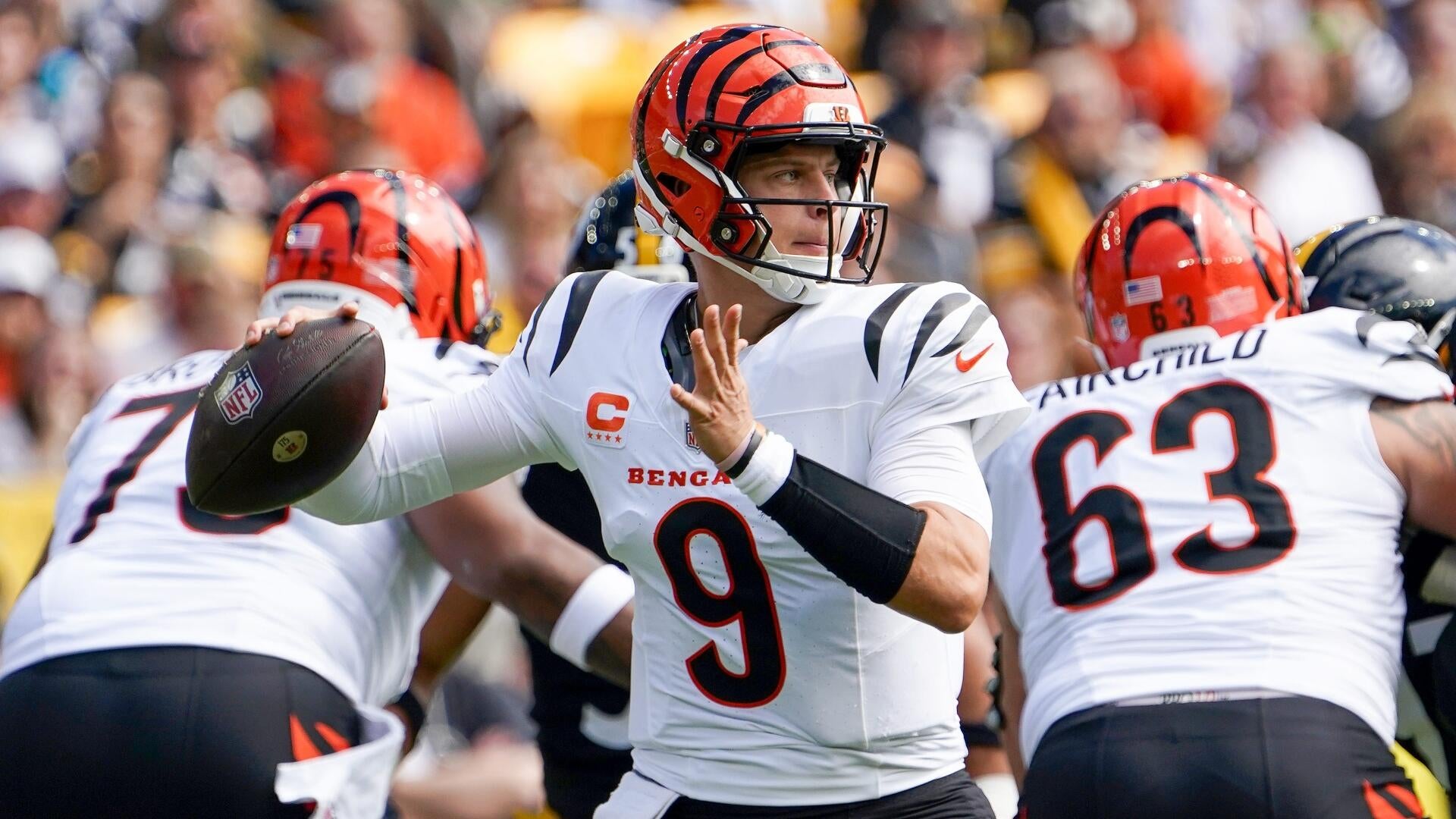
The Pittsburgh Steelers’ bid to secure a crucial divisional victory against the Philadelphia Eagles collapsed in the third quarter when wide receiver DK Metcalf was ejected from the game. The 19-16 loss was sealed by a sequence of events that saw Metcalf lose his composure following a play, leading to a physical confrontation with Eagles safety Cooper DeJean. The ejection not only removed a key offensive weapon from the field but also imposed a significant penalty that shifted momentum decisively in Philadelphia’s favor, leaving the Steelers with little time and resources to mount a comeback.
The incident occurred in the heart of the third quarter, a pivotal period where the Steelers were trailing and required a strategic offensive surge to regain parity. Metcalf’s reaction, captured on broadcast footage, showed him engaging physically with DeJean, prompting officials to review the play and subsequently eject the wide receiver. This removal forced the Steelers to rely on their backup receiving corps and running game, a tactical shift that struggled to generate sufficient yardage against a disciplined Eagles defense. The geographical context of the game, played in a hostile environment, amplified the pressure on Metcalf, a player known for his intensity and competitive fire.
In the aftermath, former Steelers personnel have voiced strong dissatisfaction with the coaching staff’s response. The criticism centers on head coach Mike McCarthy’s perceived inaction during the escalating moments before the ejection. Critics argue that a more decisive intervention by McCarthy or the coaching staff could have prevented the altercation, preserving Metcalf’s eligibility for the final two quarters. The public nature of this critique underscores a growing scrutiny of McCarthy’s leadership style and his ability to manage high-profile talent within a high-pressure NFL environment.
In-Depth Analysis & Key Details
The ejection of DK Metcalf is not an isolated incident but rather a symptom of broader structural challenges within the Pittsburgh Steelers’ organizational culture. Historically, the Steelers have been defined by their disciplined, physical, and emotionally controlled approach to football, a legacy that contrasts sharply with the recent volatility seen in some of their high-profile acquisitions. The friction between Metcalf’s intense, sometimes erratic playing style and the traditional Steelers ethos creates a complex dynamic that coaching staff must navigate. This tension is exacerbated by the high expectations placed on Metcalf as a franchise cornerstone, leading to a pressure cooker environment where minor setbacks can trigger disproportionate reactions.
Competing perspectives on the incident reveal a divide between those who view Metcalf’s actions as a natural response to competitive frustration and those who see them as a breach of professional standards. Industry analysts observe that the ejection highlights the difficulty of integrating players with strong individual personalities into a collective team structure. The economic consequences of such incidents are significant, as they can lead to fines, suspensions, and a damaged reputation that affects fan engagement and sponsorship deals. Furthermore, the public criticism from former players adds a layer of internal discord that can undermine team cohesion and morale during a critical stretch of the season.
Expert domain context suggests that emotional regulation is a critical component of elite athletic performance, and the failure to manage this aspect can have cascading effects on team success. The incident with Metcalf serves as a case study in the challenges of modern NFL coaching, where the balance between supporting player autonomy and enforcing discipline is increasingly difficult to maintain. As the league evolves, with greater emphasis on mental health and player welfare, the approach to managing on-field emotions will likely become a focal point of debate among coaches, players, and fans alike.
"The ejection of DK Metcalf is not just a loss of a player; it is a loss of control, revealing the fragility of the Steelers' offensive strategy when faced with high-pressure scenarios and the critical need for decisive coaching intervention."
Why This Matters & What Lies Ahead
For everyday readers and fans, the Metcalf ejection represents a tangible setback in the Steelers’ playoff aspirations, directly impacting the team’s standing in the AFC North and their overall season trajectory. The incident also has broader implications for the NFL’s culture, as it raises questions about the balance between player passion and professional discipline. Financially, the loss of a key player in a critical game can affect ticket sales, merchandise revenue, and broadcast ratings, all of which are significant revenue streams for the franchise. The public nature of the criticism from former players also has the potential to erode fan trust and loyalty, making it a critical issue for the team’s long-term brand health.
Upcoming milestones to watch include the Steelers’ next few games, where the coaching staff will need to demonstrate their ability to manage Metcalf and the team’s emotional state effectively. Additionally, any disciplinary actions taken by the NFL against Metcalf or the coaching staff will be closely monitored, as they could set a precedent for how similar incidents are handled in the future. The team’s performance in the remaining regular-season games will be a key indicator of whether the incident has been a turning point or a sign of deeper organizational issues. Fans and analysts will be watching closely for any changes in the coaching approach or player dynamics that could signal a shift in the team’s direction.
Source: Reported by Yahoo Sports · Analyzed & Synthesized by DNB Newsroom