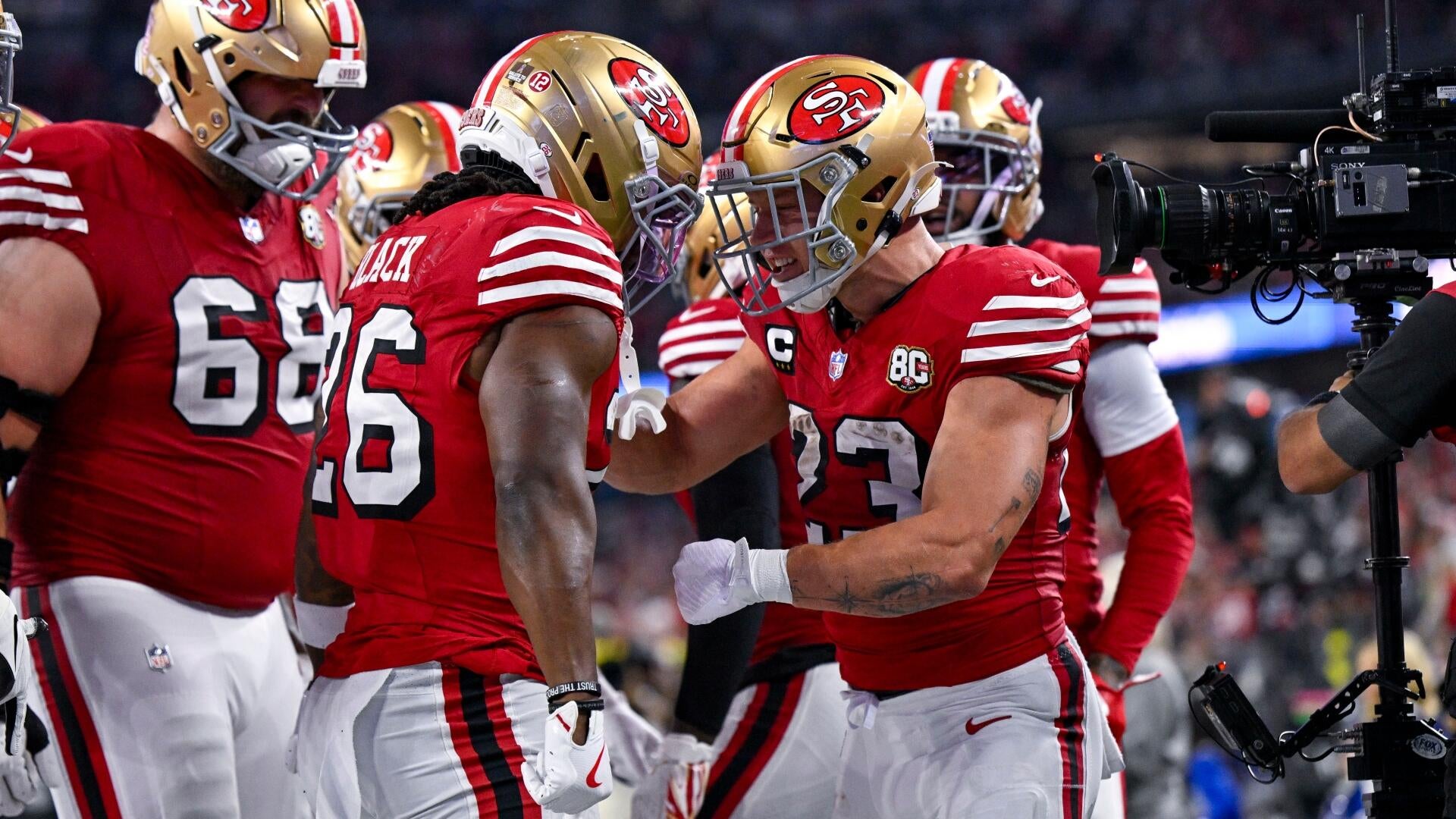
SportsLine’s senior betting analysts have finalized their week‑12 against‑the‑spread recommendations, covering every game on the NFL’s November 29 schedule. The selections are built on a proprietary algorithm that weighs player health updates, historical performance against similar opponents, and real‑time betting line movements.
The slate features 16 contests spanning the United States, with marquee matchups in Chicago, Dallas, and the Pacific Northwest drawing particular attention from both casual and professional bettors. SportsLine’s data team notes that weather‑related variables, such as the forecasted wind gusts at Soldier Field, have been factored into the spread calculations for the Bears‑Vikings clash.
In a brief statement, SportsLine’s chief strategist emphasized that the firm’s objective is to provide “actionable intelligence that respects both the volatility of the sport and the discipline required of successful bettors.” Early feedback from affiliated sportsbooks indicates that the picks are already influencing line adjustments in several key markets.
In-Depth Analysis & Key Details
The practice of publishing expert ATS picks has evolved from rudimentary newspaper columns in the 1970s to sophisticated, data‑driven services that command multi‑million‑dollar revenue streams. Historically, the NFL’s partnership with betting operators has been tightly regulated, but recent legislative shifts—most notably the 2024 Sports Betting Expansion Act—have opened new avenues for analytical firms to monetize predictive insights.
Competing viewpoints emerge as traditional bookmakers caution that over‑reliance on algorithmic picks could erode the inherent unpredictability that fuels wagering demand. Conversely, industry observers argue that the integration of machine‑learning models enhances market efficiency, narrowing the gap between public sentiment and true probability. Economic implications are evident: a tighter spread often compresses bookmaker margins, prompting a recalibration of vigorish rates across the board.
Within this context, SportsLine’s methodology reflects a broader trend toward transparency. By publishing the underlying confidence intervals and the weight assigned to injury reports, the firm aligns itself with emerging best‑practice standards advocated by the Betting Integrity Commission, which calls for clearer disclosure of predictive assumptions to protect consumers.
"When the data tells a story that contradicts public perception, the market adjusts—our job is to surface that truth before the odds do."
Why This Matters & What Lies Ahead
For everyday fans who dabble in weekly NFL wagers, the availability of rigorously vetted ATS recommendations can mean the difference between modest gains and significant losses, especially as betting becomes more entrenched in mainstream sports consumption. Moreover, the projected $250 million betting flow on the highlighted props signals a sizable infusion of capital that could influence team revenue sharing discussions and the NFL’s broader approach to gambling partnerships.
Looking ahead, the NFL’s upcoming governance meeting in February 2027 will review the impact of data‑driven betting services on game integrity. Stakeholders—including player unions, league officials, and state regulators—are expected to debate whether additional safeguards, such as real‑time monitoring of algorithmic betting patterns, are necessary. The outcomes of those deliberations will shape the regulatory landscape that underpins next season’s wagering environment.
Source: Reported by CBS Sports · Analyzed & Synthesized by DNB Newsroom


