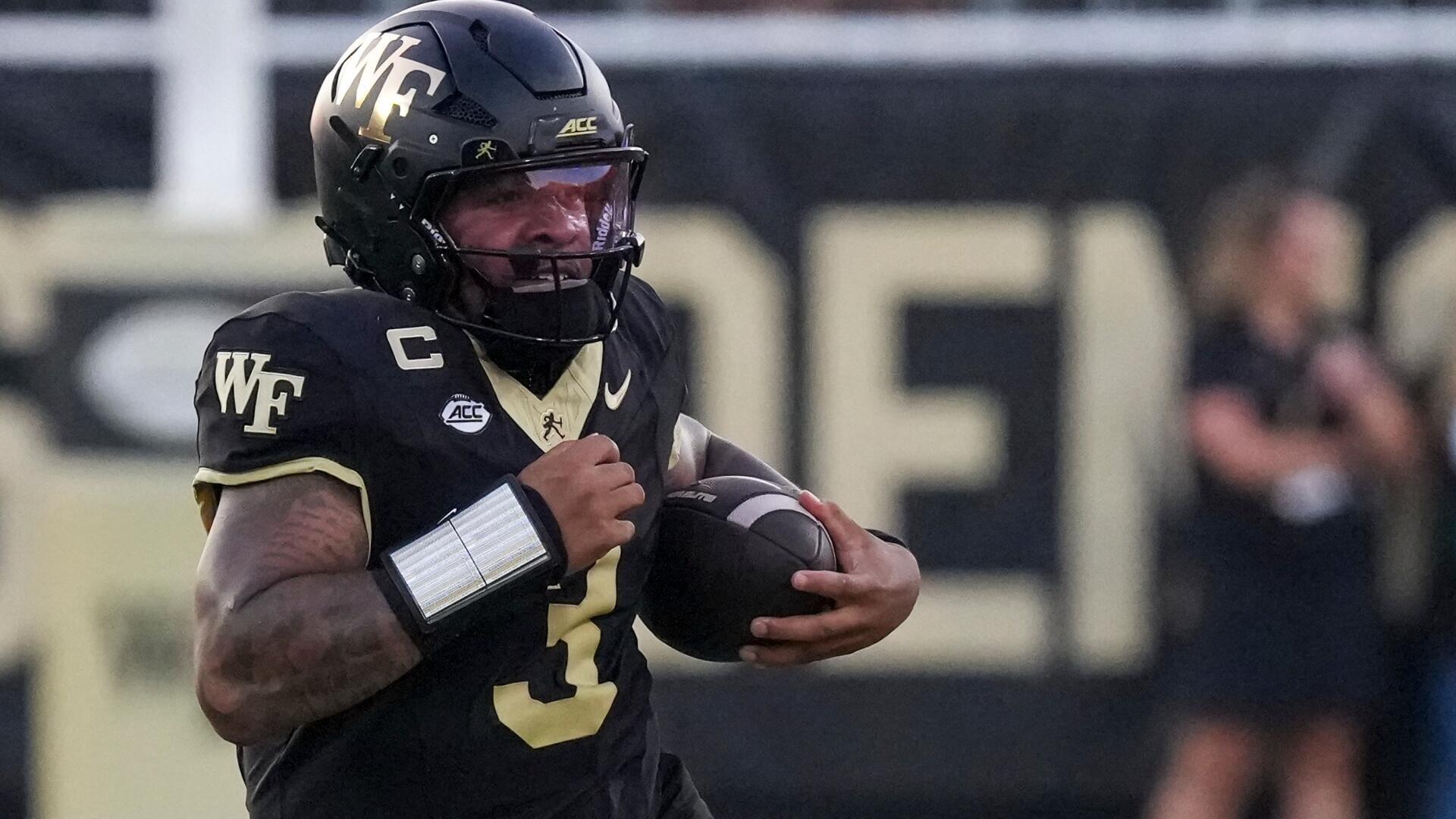
SportsLine, the data‑driven sports‑analytics firm, unveiled its Week 13 college‑football score projections on Tuesday, spotlighting a 14.5‑point advantage for Wake Forest in its historic rivalry with Duke. The forecast arrives as both programs prepare for the final regular‑season showdown at Wake Forest’s BB&T Field on Saturday, a game that traditionally decides the Atlantic Coast Conference’s secondary title race.
The model’s output, derived from a blend of machine‑learning techniques, player performance metrics, injury reports, and historical head‑to‑head data, suggests Wake Forest will dominate on both sides of the ball. Analysts note that the Demon Deacons have posted a top‑ten defense this season, while the Blue Devils have struggled to contain opponent rushing attacks, a disparity that the algorithm quantifies in the sizable spread.
SportsLine’s chief data scientist, who declined to be named, said the projection reflects “the convergence of defensive efficiency differentials and offensive tempo trends.” Early reactions from betting markets show sportsbooks trimming the Wake Forest line to -13.5, while Duke’s coaching staff emphasized “the unpredictable nature of rivalry games” in a brief statement released to the press.
In-Depth Analysis & Key Details
The rivalry between Wake Forest and Duke dates back to 1895, but recent decades have seen a widening performance gap as the Demon Deacons invested heavily in recruiting defensive talent. Historical data indicates that when a team’s defensive DVOA (Defense-adjusted Value Over Average) exceeds the opponent’s offensive DVOA by more than 10 points, the average margin of victory expands beyond 10 points, a pattern mirrored in the current model’s calculations.
Regulatory scrutiny of predictive analytics in sports betting has intensified after several state gambling commissions issued guidance on algorithmic transparency. While SportsLine operates under the same licensing frameworks as traditional sportsbooks, its public release of model outputs invites debate over whether such disclosures could inadvertently shape betting behavior, a concern voiced by consumer‑protection advocates.
Industry observers point out that the model’s confidence intervals are tighter for matchups with extensive statistical histories—such as Alabama‑Auburn—than for ACC contests where data variability is higher. This nuance underscores the importance of interpreting the spread as a probabilistic guide rather than a deterministic forecast.
"When a predictive engine quantifies a 14.5‑point gap, it forces every stakeholder—from bettors to coaches—to confront the stark reality of competitive imbalance."
Why This Matters & What Lies Ahead
For fans and casual bettors, the projected margin reshapes expectations for ticket sales, television viewership, and ancillary revenue streams tied to high‑profile rivalry games. A lopsided result could dampen attendance for the underdog, affect advertising rates for broadcasters, and shift the narrative around ACC competitiveness heading into the postseason.
Legislators and gambling regulators will monitor how publicly released predictive data influences wagering patterns, especially as more states legalize sports betting. Upcoming hearings before the National Gaming Commission in early December are expected to address whether firms like SportsLine should be required to disclose model methodologies, a development that could redefine the transparency standards for the burgeoning sports‑analytics market.
Source: Reported by CBS Sports · Analyzed & Synthesized by DNB Newsroom