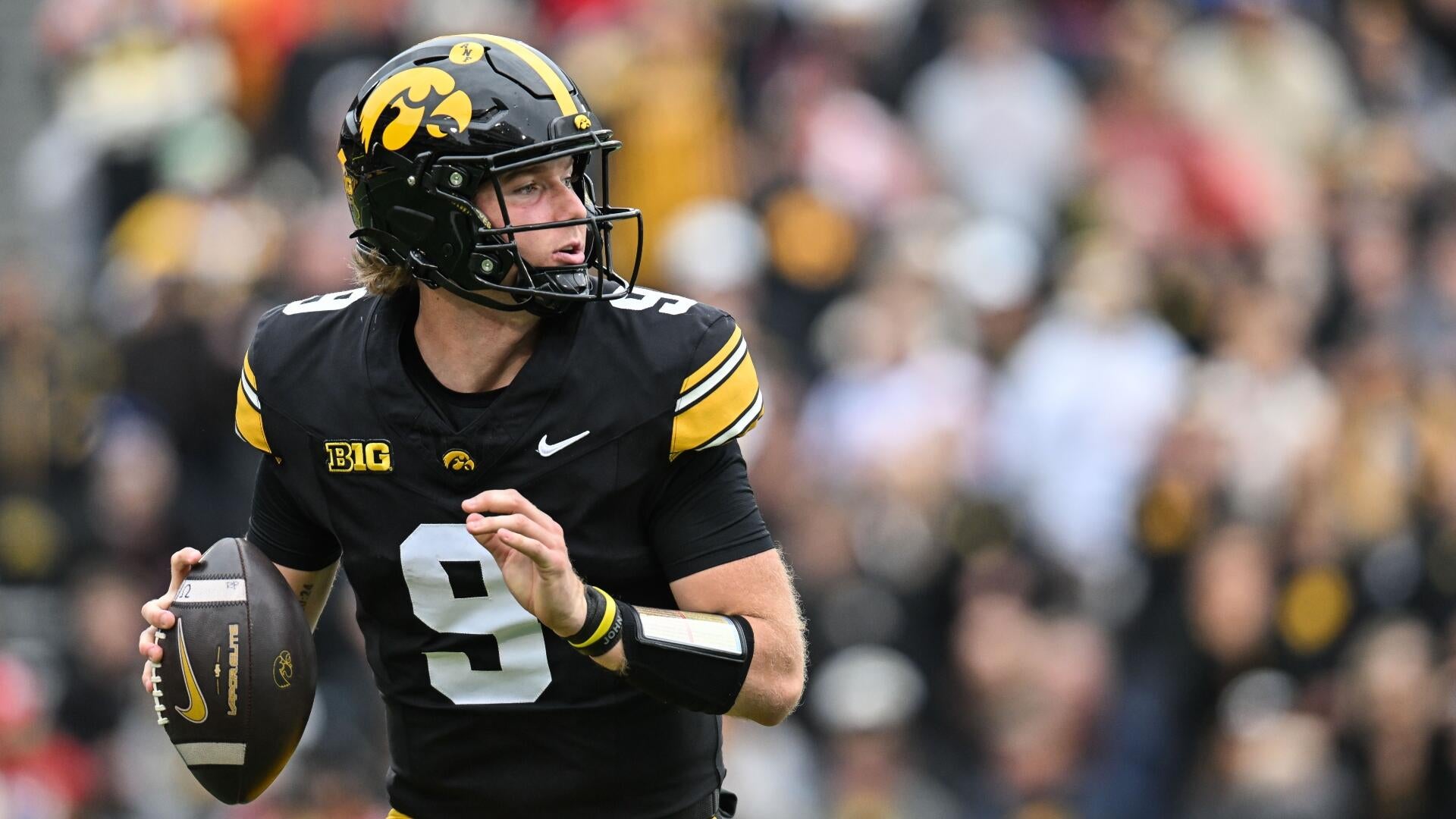
In a move that underscores the growing dominance of statistical modeling in college football coverage, SportsLine has released its definitive picks for Friday’s highly anticipated Big Ten rivalry between the Iowa Hawkeyes and the Nebraska Cornhuskers. The organization’s proprietary model, which integrates extensive historical data and current performance metrics, has locked in its best bets, offering a structured forecast for one of the conference’s most closely watched midweek contests. This announcement serves as a focal point for sports analysts and betting markets alike, establishing a baseline for expectations ahead of kickoff.
The operational context of this matchup is defined by the intense competitive landscape of the Big Ten, where every point differential carries significant weight in determining conference standings and playoff implications. Iowa and Nebraska, both storied programs with deep-rooted fanbases, enter this Friday night showdown with the knowledge that their performance will be dissected through the lens of advanced analytics. The geographical and logistical preparation for the game has been meticulously planned, with both coaching staffs focusing on neutralizing the statistical advantages identified by third-party models.
Official remarks from the SportsLine editorial team emphasize the rigor behind their predictive framework, noting that the model’s consensus is derived from a comprehensive evaluation of team efficiency, defensive metrics, and situational awareness. Stakeholders in the sports betting industry have responded by adjusting odds lines to reflect the model’s confidence levels, while media outlets are preparing to contextualize these predictions within the broader narrative of the Big Ten season. The release of these picks marks a significant moment in the pre-game analysis cycle, shifting the discourse from speculative opinion to data-backed projection.
In-Depth Analysis & Key Details
The historical background of the Iowa-Nebraska rivalry is steeped in tradition, but the structural forces shaping the modern game are increasingly digital and quantitative. For decades, this matchup was analyzed through the lens of head-to-head records, coaching philosophies, and player talent. Today, however, the integration of machine learning algorithms and big data has transformed how outcomes are anticipated. SportsLine’s model represents a culmination of this trend, utilizing vast datasets to identify patterns that may not be immediately visible to human analysts. This shift reflects a broader evolution in sports journalism, where the authority of the expert is increasingly supplemented, and sometimes superseded, by the output of sophisticated software.
Competing perspectives on the utility of such models reveal a nuanced debate within the industry. Critics argue that algorithms can struggle to account for intangible factors such as team morale, injury news breaking on game day, or the psychological impact of a rivalry. Proponents, however, contend that over large sample sizes, data-driven predictions consistently outperform human intuition. The economic consequences of this debate are significant, as betting markets and media outlets invest heavily in predictive technology to gain a competitive edge. The tension between traditional scouting and modern analytics creates a complex landscape where both approaches must be synthesized to provide a comprehensive understanding of the game.
Expert domain context suggests that the accuracy of models like SportsLine’s is contingent on the quality and recency of the data they process. As the Big Ten season progresses, the model’s ability to adapt to changing team dynamics will be closely monitored. Industry analysts observe that the convergence of real-time data and predictive modeling is setting a new standard for sports analysis. This technological advancement not only enhances the accuracy of forecasts but also enriches the viewer experience by providing deeper insights into the strategic decisions made by coaching staffs on the field.
"The intersection of historical rivalry and algorithmic precision defines the modern Big Ten, where the outcome is as much a function of data as it is of athleticism."
Why This Matters & What Lies Ahead
For everyday readers and fans, the release of model-driven picks adds a layer of intellectual engagement to the viewing experience, transforming passive consumption into active analysis. The financial markets associated with college football betting are directly impacted by such releases, as odds lines adjust to reflect the perceived probability of outcomes. This dynamic underscores the commercial significance of sports analytics, where accurate predictions can drive substantial wagering activity. Furthermore, the legislative implications of sports betting regulation continue to evolve, with states increasingly scrutinizing the role of third-party data providers in shaping market movements.
Upcoming milestones to watch include the actual game performance against the model’s predictions, which will serve as a critical test of the algorithm’s reliability. Media outlets and betting platforms will closely monitor the post-game analysis to assess whether the data-driven forecast held up under the pressure of a live rivalry. Additionally, the broader Big Ten schedule presents further opportunities for models to refine their predictive capabilities, with each game providing new data points that can be integrated into future forecasts. The coming weeks will be pivotal in determining the long-term credibility and influence of quantitative analysis in college football coverage.
Source: Reported by CBS Sports · Analyzed & Synthesized by DNB Newsroom