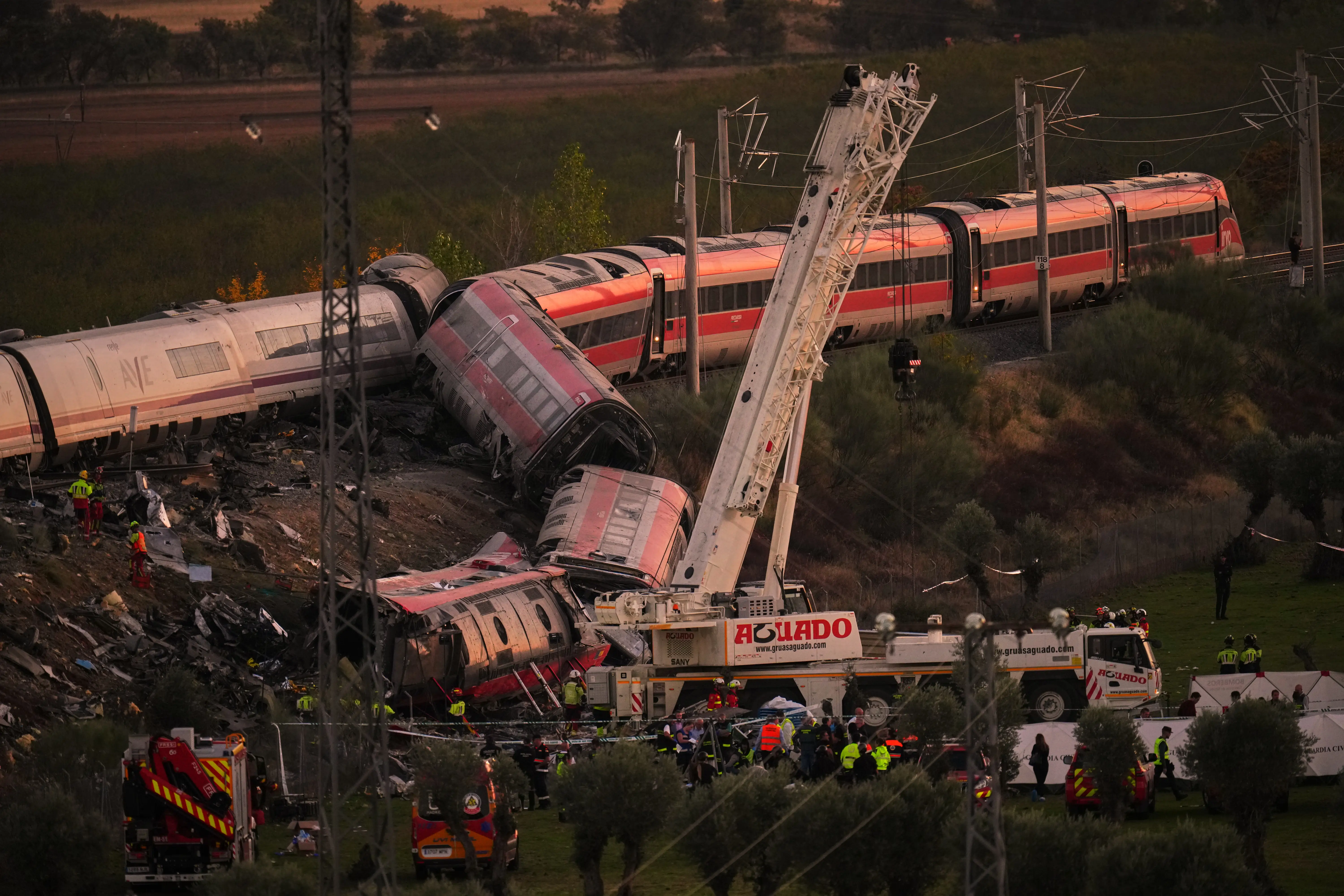
On Tuesday, a high‑speed AVE train traveling from Madrid to Barcelona collided with a stationary service train near the town of Ocaña, killing 68 passengers and injuring dozens more. The crash, the deadliest in Spain’s modern rail history, triggered an immediate emergency response coordinated by the Ministry of Transport and the national police.
Authorities have ordered a full shutdown of the line while forensic teams examine signalling data, brake systems and track conditions. The railway operator Renfe has pledged to cooperate fully, and the government has announced a temporary suspension of all high‑speed services pending safety checks.
In-Depth Analysis & Key Details
Spain’s rail network has expanded rapidly over the past decade, but safety oversight has struggled to keep pace with the surge in traffic and new technology. Critics argue that chronic underinvestment in signalling upgrades and staff training contributed to systemic vulnerabilities that were exposed by the crash.
While the transport ministry emphasizes that the accident was an isolated incident, opposition parties and consumer groups demand a comprehensive audit of the high‑speed system, citing similar near‑misses and the earlier fatal derailment in Galicia. Technical experts point to possible failures in the European Train Control System (ETCS) as a focal point for the inquiry.
"The crash underscores a stark gap between Spain’s rail ambitions and the safety mechanisms needed to protect its passengers."
Why This Matters & What Lies Ahead
For commuters and businesses that rely on the high‑speed corridor, the shutdown disrupts travel plans and threatens economic activity in key regions. Public confidence in the nation’s transport infrastructure is also at stake, potentially influencing travel behavior and tourism.
The incident will be a central issue in the upcoming general election, where parties are expected to propose legislation on rail safety standards, funding for modernization, and independent oversight bodies. Voters will watch closely how the government’s response shapes policy and accountability.
Source: Reported by NPR · Analyzed & Synthesized by DNB Newsroom