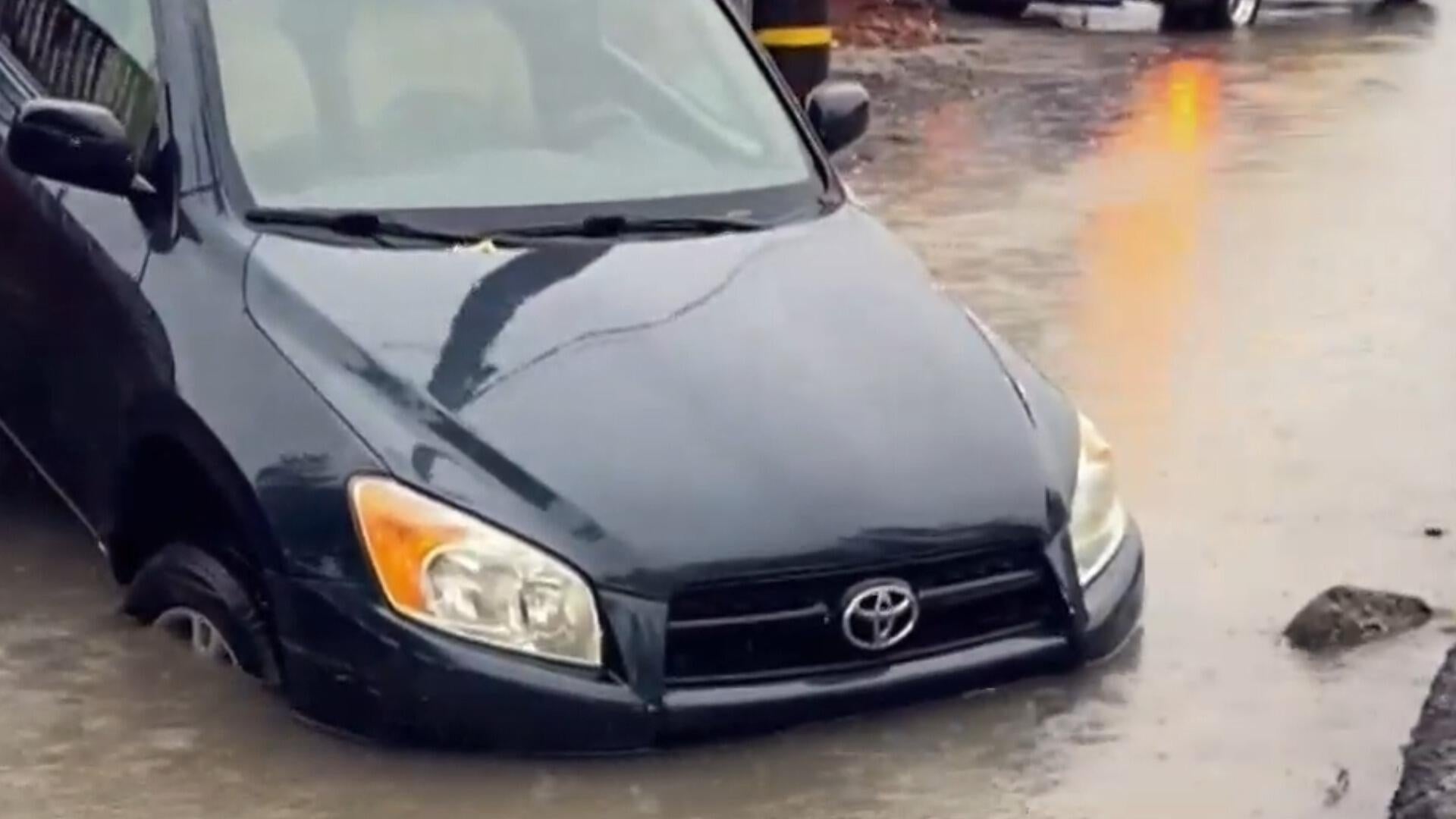
Rob Marciano reported that a slow‑moving tropical disturbance delivered more than 15 inches of rain to South Florida between Thursday night and Friday morning, submerging major thoroughfares such as I‑95 and the Florida Turnpike.
Water surged onto residential streets in Miami‑Dade, Broward and Palm Beach counties, trapping vehicles and forcing dozens of families to evacuate their homes as floodwaters rose to chest level. Emergency shelters opened at schools and community centers, while the Federal Emergency Management Agency dispatched response teams to assist local authorities.
Governor Ron DeSantis, speaking from the state capitol, urged residents to heed evacuation orders and praised first‑responders for their rapid deployment. The Florida Public Service Commission announced that utility crews are working around the clock to restore electricity, and the American Red Cross pledged additional supplies for displaced households.
In-Depth Analysis & Key Details
Historical climate data show that South Florida’s June rainfall averages roughly 5 inches, making the recent deluge three times higher than typical seasonal totals. Climate scientists attribute the escalation to a combination of warmer Gulf‑of‑Mexico sea surface temperatures and an amplified jet stream that stalled the storm system, a pattern that aligns with broader trends of increasingly intense short‑term precipitation events across the Southeast United States.
Regulatory frameworks governing flood mitigation have long emphasized local zoning and building codes, yet the sheer volume of water overwhelmed even well‑engineered drainage networks. State legislators are now debating amendments to the Florida Floodplain Management Act that would require higher elevation standards for new construction in coastal counties, while the Army Corps of Engineers evaluates the feasibility of expanding regional reservoirs to capture excess runoff.
Industry analysts observe that the insurance sector is likely to reassess risk models for property coverage in the region, given the projected rise in claim frequency. Utility operators are also reviewing grid resilience strategies, including undergrounding of power lines and the deployment of mobile substations, to reduce outage durations during future extreme weather events.
""We are seeing conditions that exceed our worst‑case scenarios," Florida Emergency Management officials warned as they coordinated rescue and sandbag distribution efforts."
Why This Matters & What Lies Ahead
For everyday Floridians, the flooding disrupts commutes, hampers access to essential services, and threatens personal property, prompting immediate concerns over health, safety and financial loss. The inundation also strains supply chains, as delayed freight movement impacts grocery stores, pharmacies and construction sites, while prolonged power outages can compromise refrigerated goods and critical medical equipment.
Looking ahead, the state legislature is slated to convene a special session next month to consider flood‑resilience legislation, and the Federal Emergency Management Agency is expected to release a post‑event assessment that could influence future federal funding allocations. Monitoring the rollout of revised building codes and the progress of infrastructure upgrades will be essential for stakeholders ranging from homeowners to investors in the regional real‑estate market.
Source: Reported by CBS News · Analyzed & Synthesized by DNB Newsroom