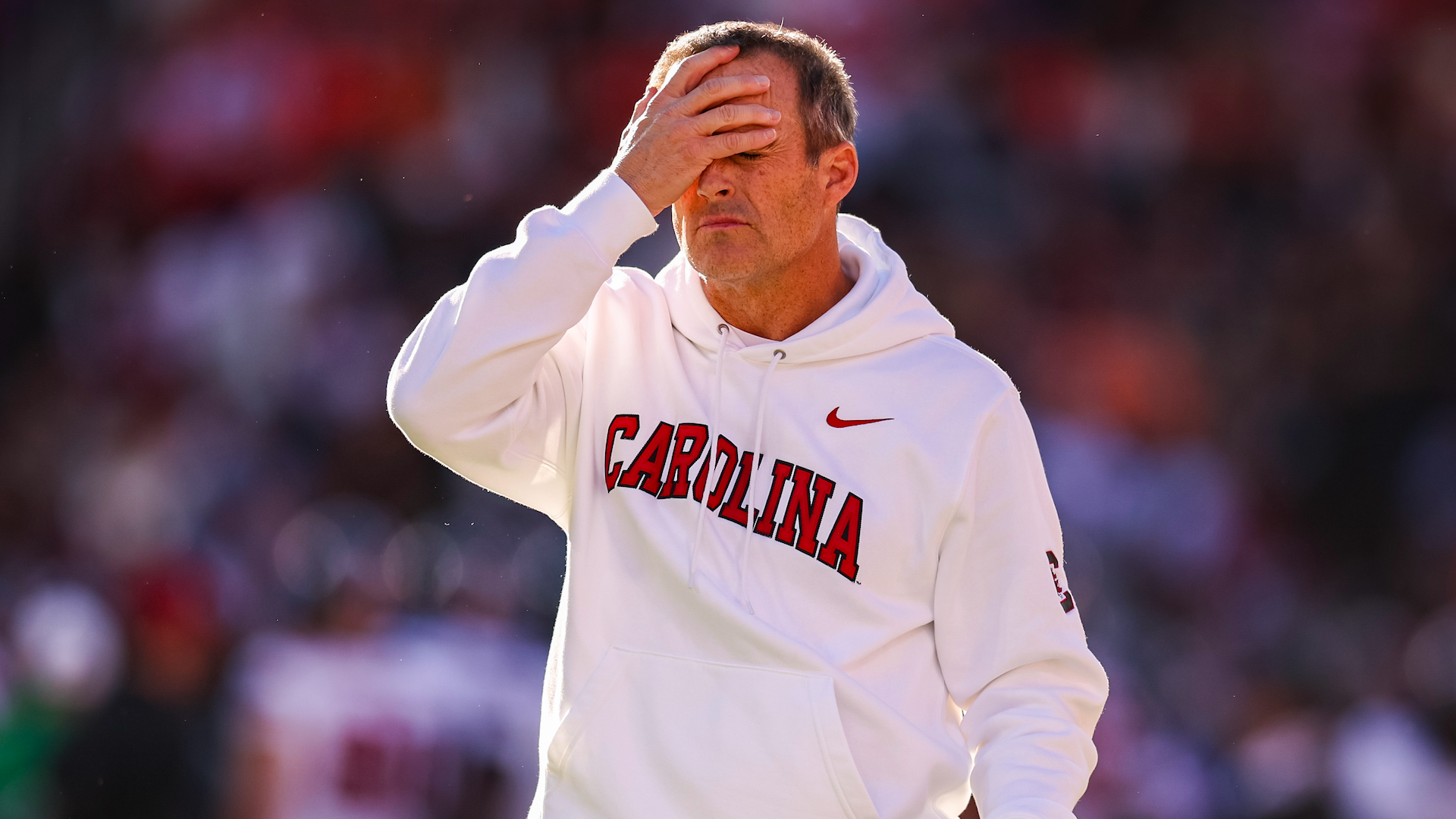
The South Carolina football program is grappling with a significant identity crisis following a decisive loss to its in-state rival, Clemson. Entering the game with a 6-3 record and a No. 17 ranking in the national polls, the Gamecocks faced a pivotal opportunity to solidify their position among the nation's elite. However, a familiar pattern of late-game collapse emerged, resulting in a defeat that has left the fanbase and athletic department in a state of heightened agitation. This is not an isolated incident but rather the latest in a series of high-pressure failures that have defined the current season.
The geographical and cultural proximity of the rivalry amplifies the sting of the loss. In Columbia, the expectation for competitive parity with Clemson is not merely a goal but a baseline requirement for the program's legitimacy. The inability to maintain composure in the final minutes of high-stakes games has eroded the trust that was built during the team's initial ascent up the rankings. The operational failure to execute under duress has now become the defining narrative of the season, overshadowing previous victories and statistical achievements.
While the athletic department has not yet issued a formal statement regarding the coaching staff's future, the sentiment within the university community is palpable. The phrase 'Shane Beamer era' has become a focal point for debate, with many observers questioning whether the current leadership possesses the tactical acumen to rectify these persistent deficiencies. The immediate response from the fanbase is one of exhaustion and frustration, demanding that the program move beyond its current trajectory of inconsistency and find a sustainable path to success.
In-Depth Analysis & Key Details
The current crisis in Columbia is rooted in a broader structural issue within college football: the difficulty of translating early-season success into sustained, high-pressure performance. Historically, programs that rise quickly in the rankings often face a 'reality check' when they are tested by top-tier opponents. South Carolina's trajectory this season mirrors this pattern, where initial momentum was gained through favorable matchups, but the team's limitations became exposed when facing a rival of comparable quality. The late-game failures suggest a lack of mental resilience and tactical flexibility, areas that are notoriously difficult to coach in the short term.
There is a growing tension between the athletic department's investment in the program and the tangible results on the field. Industry analysts observe that the margin for error in the SEC and in high-profile rivalry games is non-existent. The financial implications of a declining program are significant, as ticket sales, alumni donations, and media rights are all tied to on-field success. The recurring nature of these collapses indicates that the current playbook and coaching philosophy may be misaligned with the talent level of the roster, creating a disconnect that is increasingly difficult to ignore.
From a developmental perspective, the focus must shift from individual player performance to systemic cultural change. The ability to close out games is a hallmark of championship-caliber teams, and its absence suggests deeper issues in preparation and in-game management. The debate is no longer about whether the team can win, but whether the coaching staff can implement the necessary changes to alter the outcome in critical moments. This requires a fundamental re-evaluation of practice structures, game planning, and leadership dynamics within the locker room.
"The inability to close out high-stakes games is not a tactical error; it is a cultural deficit that threatens the very foundation of the program's competitive future."
Why This Matters & What Lies Ahead
For the broader college football landscape, the South Carolina situation serves as a cautionary tale for other programs that rely on early-season hype rather than sustained excellence. The financial health of athletic departments is directly linked to their competitive performance, and a decline in standing can lead to reduced revenue and diminished recruiting power. For fans and alumni, the emotional investment in the program is tested by these repeated failures, potentially leading to a long-term disengagement that is difficult to reverse. The stakes extend beyond a single season, as the reputation of the program in the national conversation is at risk.
In the immediate term, the focus will be on the remaining games of the season and the subsequent bowl game selection. The athletic department will likely face intense scrutiny during the offseason, with potential personnel changes being a topic of discussion. Stakeholders should monitor the team's response to this setback, as the ability to bounce back from such a significant loss will be a key indicator of the program's long-term viability. The upcoming weeks will be critical in determining whether the coaching staff can regain control of the narrative or if the pressure will lead to more drastic institutional changes.
Source: Reported by CBS Sports · Analyzed & Synthesized by DNB Newsroom


