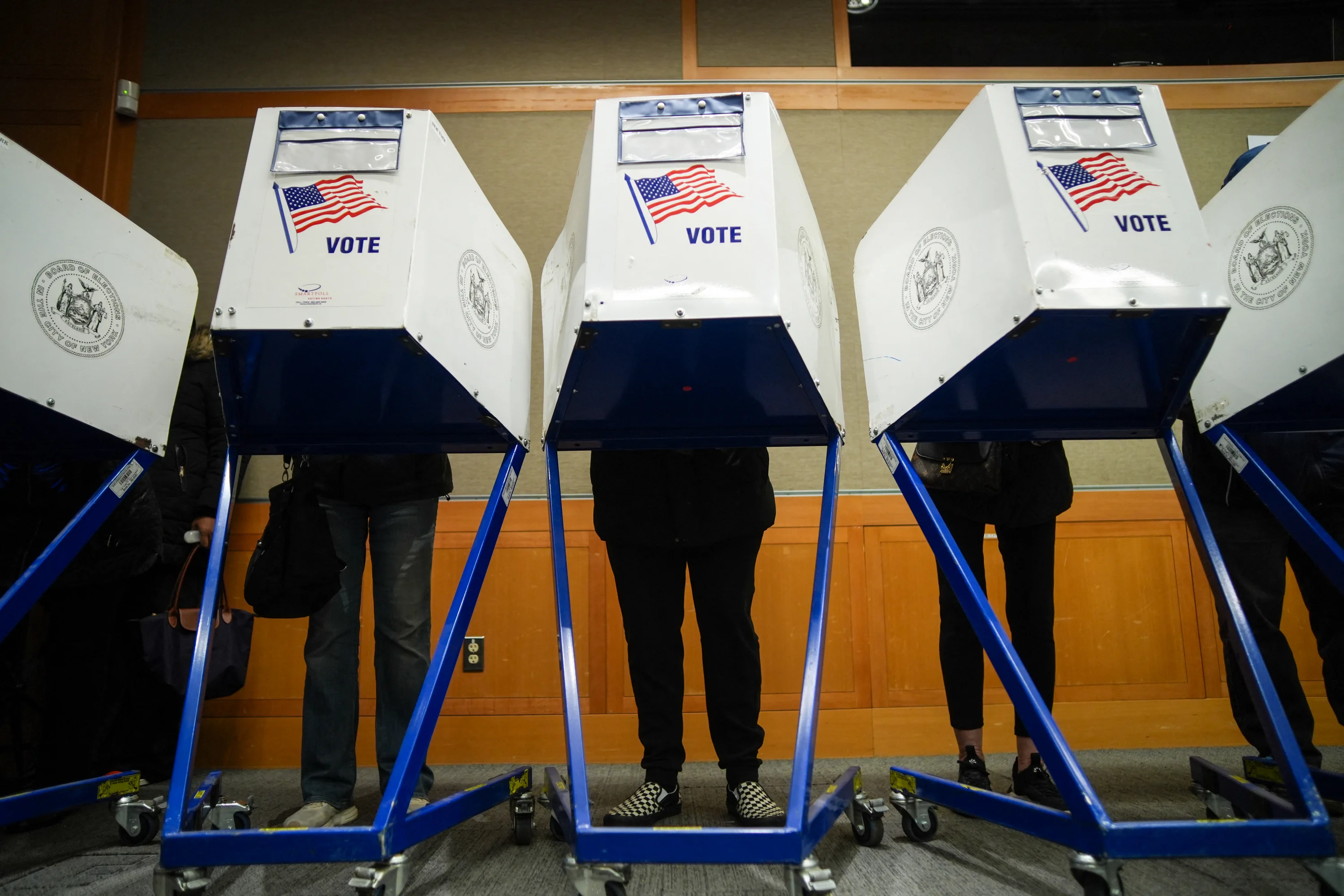
As the United States approaches the 2026 midterm elections, a consensus has emerged among election security experts, state secretaries of state, and data analysts that the traditional expectation of immediate electoral clarity on election night is obsolete. The logistical complexity of modern voting systems, combined with the strategic deployment of mail-in ballots, means that many pivotal races will not be decided until well after the initial broadcast cycles have concluded. This shift is not indicative of systemic failure but rather a reflection of the rigorous, multi-layered verification processes that have become standard in high-stakes democratic contests across the nation.
The operational reality of the 2026 cycle involves a staggered timeline where initial tabulations from early-voting and mail-in ballots are processed in waves, often conflicting with the rapid-fire reporting of in-person votes. In states with large urban centers and significant diaspora voting populations, the influx of ballots arriving in the days following November 3 will require manual recounts and signature verification, processes that are legally mandated to ensure integrity but inherently slow. Consequently, the 'race' is no longer just about who gets the most votes, but about the administrative capacity to process those votes under strict legal scrutiny without error.
Official statements from the National Association of Secretaries of State emphasize that the delay is a feature, not a bug, of a robust democratic system. They have publicly addressed the likelihood of political figures declaring victory or alleging rigging before the ink is dry, urging the public to distinguish between preliminary projections and legally certified results. By framing the delay as a necessary safeguard against fraud and error, officials aim to inoculate the electorate against the destabilizing effects of premature claims that have characterized recent election cycles.
In-Depth Analysis & Key Details
The structural forces driving this delay are rooted in the post-2020 regulatory reforms that expanded access to mail-in voting and tightened security protocols simultaneously. Historical data from previous midterms shows a direct correlation between the percentage of mail-in ballots and the time required to certify results. In 2026, with higher anticipated voter turnout and more complex ballot designs in several key states, the processing burden is unprecedented. This is compounded by the geopolitical and domestic tension surrounding election integrity, which has led to a climate of heightened scrutiny where every procedural step is subject to legal challenge.
Competing perspectives on this issue highlight a deep divide between those who view the delay as a democratic safeguard and those who see it as an opportunity for political manipulation. Proponents of the current system argue that the time taken for verification is essential to prevent the kind of errors that could undermine public trust. Critics, however, contend that the opacity of the process during the delay window creates a breeding ground for speculation and conspiracy theories. The economic consequences of this uncertainty are also significant, as markets and political parties rely on timely results to adjust strategies and investments, leading to a period of heightened volatility in both political and financial sectors.
Expert domain context reveals that the technical intricacies of vote counting have evolved significantly. Modern election systems use optical scanners and automated tabulation software that can process thousands of ballots per hour, but the human element of verifying signatures and resolving discrepancies remains a bottleneck. This hybrid approach, while secure, is time-intensive. Furthermore, the legal framework governing elections varies widely by state, leading to a patchwork of rules that complicates national reporting. Understanding this complexity is crucial for interpreting the delayed results and recognizing that the absence of a quick call is not an anomaly but a predictable outcome of a sophisticated, if slow, electoral machinery.
"The delay is not a glitch in the system; it is the system working as designed, ensuring that every voice is counted with the weight of legal scrutiny before a winner is declared."
Why This Matters & What Lies Ahead
For the average citizen, the delayed certification of election results has profound implications for civic engagement and trust in democratic institutions. The period between the close of polls and the final certification is a critical window where misinformation can spread rapidly, potentially eroding public confidence in the outcome. Media outlets and civic organizations must play a proactive role in educating the public about the timeline of election results, emphasizing that a lack of immediate clarity is a sign of thoroughness rather than dysfunction. This shift in narrative is essential for maintaining social stability and ensuring that the democratic process remains resilient against external pressures.
Looking ahead, key milestones to monitor include the state-by-state certification dates, which are typically set by law to occur within a specific number of days after the election. Legal challenges filed in federal courts during this period will also be crucial, as they can potentially delay the finalization of results in close races. Additionally, the response of major political parties to the delay will be a barometer for the health of the political system; a measured, fact-based response will help preserve trust, while aggressive, unfounded claims of fraud could lead to further polarization and instability. Stakeholders should closely watch for any legislative actions in the weeks following the election that aim to reform or tighten election procedures, as these will shape the landscape for future contests.
Source: Reported by CBS News · Analyzed & Synthesized by DNB Newsroom