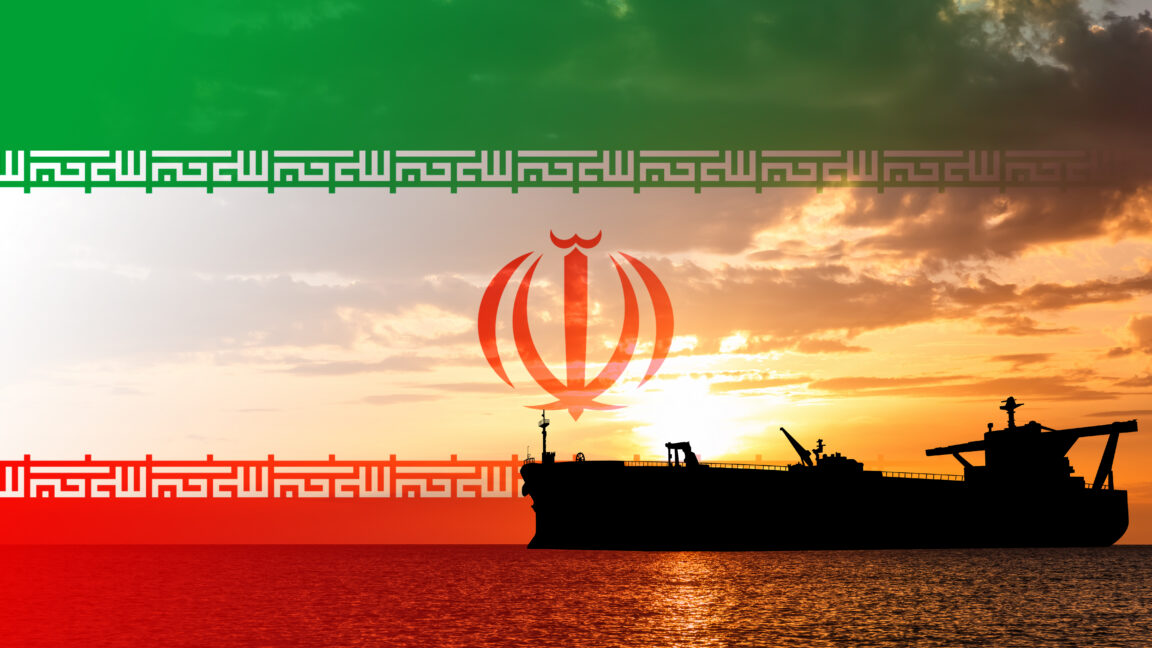
The strategic landscape of the Persian Gulf has shifted dramatically as Iranian maritime assets have begun persistent loitering near critical subsea cable routes. This movement follows a series of stark warnings issued by Tehran’s leadership, who explicitly threatened to target undersea infrastructure if the United States resumes or escalates military operations against Iranian interests. The presence of these vessels represents a significant departure from previous conflict patterns, moving the potential theater of war from land and air domains to the deep-sea digital nervous system of the global economy.
Geographically, the focus of this tension is concentrated around key cable landing stations in the region, which serve as critical chokepoints for international data traffic. Satellite imagery and maritime monitoring data indicate that several Iranian naval vessels, including fast-attack craft and patrol boats, have maintained positions within restricted zones adjacent to these cables. This proximity is not merely observational; it is a deliberate display of capability and intent, designed to signal that the physical protection of these assets is now a matter of national security for Tehran.
Official statements from the Iranian Foreign Ministry have framed these actions as defensive measures against perceived imperialist aggression. In contrast, US Department of Defense officials have condemned the maneuvers as provocative and destabilizing, emphasizing that the protection of global communication infrastructure is a priority for international naval forces. Cybersecurity firms have also noted a corresponding spike in anomalous traffic patterns, suggesting that the physical posturing may be accompanied by digital probing of the cable management systems.
In-Depth Analysis & Key Details
This escalation must be understood within the context of Iran’s long-standing strategy of asymmetric deterrence. Lacking a conventional military force capable of matching the United States in open combat, Tehran has historically relied on proxy networks, missile capabilities, and now, the threat to global infrastructure. The subsea cable threat is particularly potent because it targets a shared global dependency; disrupting internet connectivity affects not just the US, but European, Asian, and Gulf state economies simultaneously, thereby complicating international support for US military actions.
The regulatory and economic implications are profound. Subsea cables are largely private assets, yet they are treated as critical national infrastructure. The current situation forces a complex negotiation between private corporate interests, which prioritize business continuity and risk mitigation, and state security apparatuses, which view these assets as strategic weapons in a broader geopolitical contest. Insurance premiums for maritime operations in the region are expected to rise sharply, potentially increasing the cost of global data transmission and cloud services.
From a technical standpoint, while subsea cables are designed to withstand oceanic pressures and minor physical disturbances, they are vulnerable to targeted sabotage. Experts note that the repair of a severed cable can take weeks or months, during which time data traffic must be rerouted through less efficient paths, causing latency and potential service outages. This technical fragility contrasts with the political durability of the cables, making them ideal targets for a state actor seeking to inflict maximum economic pain with minimal direct military engagement.
"The subsea cable is no longer just a conduit for data; it is the new front line of geopolitical warfare, where a single cut can sever the digital lifeline of the modern world."
Why This Matters & What Lies Ahead
For everyday consumers and businesses, this escalation introduces a new layer of uncertainty to the digital infrastructure that underpins modern life. Potential disruptions could lead to slower internet speeds, increased costs for cloud services, and temporary outages in financial trading platforms that rely on low-latency data transmission. The global supply chain, increasingly dependent on real-time data for logistics and inventory management, faces new risks that could ripple into inflationary pressures on goods and services.
Looking ahead, the coming weeks are critical for monitoring diplomatic channels and naval movements. Key milestones to watch include any formal US naval deployments to the region specifically tasked with cable protection, as well as potential UN Security Council sessions addressing the threat to global infrastructure. Additionally, the reaction of major tech companies and telecom providers to these threats will be indicative of the broader economic impact. Investors should closely monitor stock prices of major cable operators and cybersecurity firms, as well as commodity markets that may fluctuate in response to heightened geopolitical risk.
Source: Reported by Ars Technica · Analyzed & Synthesized by DNB Newsroom