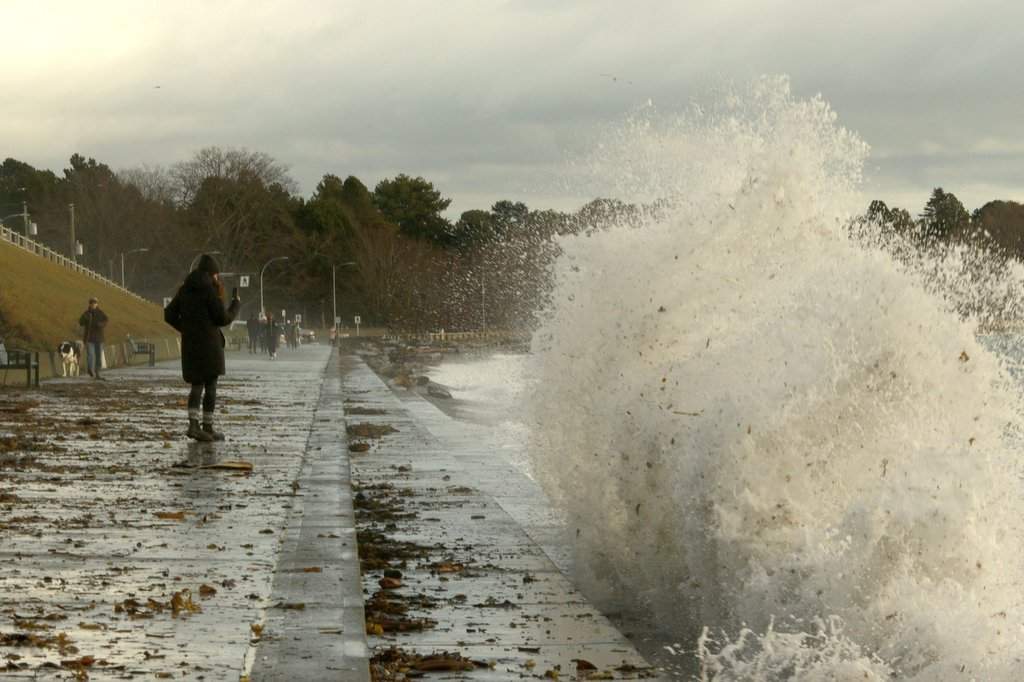
The British Columbia weather service has issued a sustained yellow rainfall warning for a cluster of densely populated areas, including the North Shore, Coquitlam, Maple Ridge, and the Howe Sound region, as a severe storm system intensifies its grip on the province. This meteorological development marks a significant escalation in seasonal weather patterns, prompting immediate operational adjustments across critical public infrastructure. The warning, which indicates an elevated risk of flooding and travel disruptions, has triggered a coordinated response from provincial transportation authorities and utility providers.
The immediate operational impact has been felt most acutely in the marine transportation sector, where BC Ferries has been forced to cancel multiple scheduled crossings. These cancellations have stranded thousands of commuters and disrupted the flow of essential goods, creating immediate logistical bottlenecks in the Lower Mainland. Simultaneously, the heavy precipitation has overwhelmed local electrical grids, resulting in a surge of power outages that have left thousands of residents without electricity. The geographic scope of the outages aligns closely with the areas under the rainfall warning, suggesting a direct correlation between the storm’s intensity and the failure of overhead power lines and equipment.
Provincial officials and transit authorities have issued preliminary statements urging residents to avoid non-essential travel and to monitor local news channels for real-time updates. BC Ferries has advised passengers to check their specific route status before heading to terminals, citing safety concerns related to reduced visibility and rough sea conditions. Utility providers have confirmed the deployment of emergency repair teams to the affected zones, though they warn that restoration efforts may be delayed by ongoing heavy rain and difficult access conditions. The situation remains dynamic, with meteorologists predicting that the storm system will continue to deliver significant rainfall over the coming hours.
In-Depth Analysis & Key Details
This storm event underscores the persistent vulnerability of British Columbia’s infrastructure to increasingly intense weather patterns, a trend that has become more pronounced in recent years due to shifting climatic conditions. The province’s reliance on a combination of aging electrical grids and complex marine transportation networks creates a fragile interdependence that is easily disrupted by severe weather. The simultaneous failure of power and ferry services highlights the lack of redundancy in critical infrastructure, leaving communities with limited alternatives for mobility and basic utility access when one system fails.
From a regulatory and economic perspective, the disruptions raise significant questions about the resilience of public transit and energy distribution networks. The cancellation of ferry services not only impacts individual commuters but also disrupts supply chains for businesses that rely on regular marine transport for goods and materials. This has broader economic implications, particularly for industries in the Lower Mainland that depend on consistent logistics. Furthermore, the power outages place additional strain on emergency services and public health systems, as hospitals and care facilities must rely on backup generators while residents face the discomfort and potential danger of living without power during inclement weather.
Experts in climate adaptation and infrastructure planning point to this event as a clear indicator that current infrastructure standards may be insufficient to handle the frequency and intensity of future storms. The yellow rainfall warning, while indicating a moderate risk, has resulted in substantial operational disruptions, suggesting that the threshold for significant impact is lower than previously assumed. This calls for a reevaluation of investment priorities in both the energy and transportation sectors, with a focus on enhancing resilience and reducing single points of failure. The event also serves as a reminder of the importance of preparedness planning for both individuals and institutions in the face of unpredictable weather events.
"The convergence of marine transport failures and electrical grid instability during this storm exposes a critical fragility in our regional infrastructure, demanding a fundamental rethinking of how we prepare for increasingly volatile weather patterns."
Why This Matters & What Lies Ahead
For everyday residents in the affected areas, the storm’s impact is immediate and tangible, affecting their ability to commute, access essential services, and maintain basic living conditions. The power outages pose particular risks to vulnerable populations, including the elderly and those with medical devices that require electricity. The cancellation of ferry services disrupts daily routines and can lead to significant economic losses for workers who are unable to reach their jobs. Furthermore, the ongoing rainfall increases the risk of flooding, which can cause property damage and pose safety hazards for residents. The event underscores the importance of having adequate insurance coverage and emergency preparedness plans in place to mitigate the financial and personal impacts of such disruptions.
Looking ahead, this storm event is likely to influence policy discussions and infrastructure investment decisions in British Columbia. Regulatory bodies and government officials may use this incident to advocate for increased funding for grid modernization and transportation resilience projects. Upcoming legislative sessions may see proposals for stricter building codes and infrastructure standards to better withstand severe weather. Additionally, utility companies and transit authorities may face increased scrutiny regarding their emergency response protocols and communication strategies. Residents and stakeholders should monitor these developments closely, as they will have long-term implications for the safety, reliability, and resilience of the province’s critical infrastructure.
Source: Reported by Global News BC · Analyzed & Synthesized by DNB Newsroom


