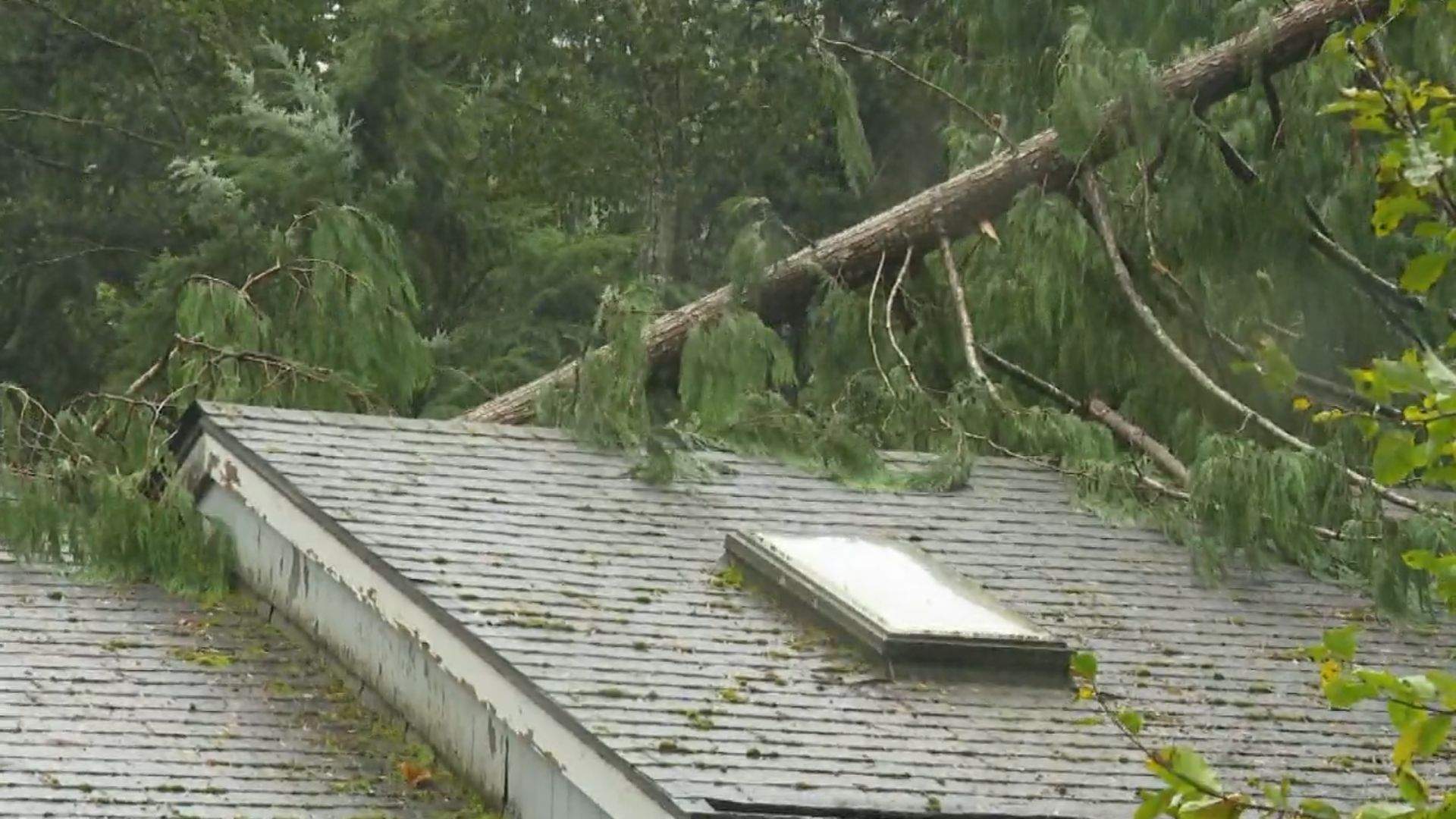
The Pacific Northwest’s electrical infrastructure suffered a significant setback on Sunday when a second powerful windstorm swept in from the Pacific Ocean, leaving thousands of residents in British Columbia without power. This event follows closely on the heels of a previous high-wind system that struck the region earlier in the week, creating a cumulative stress on the power grid that has overwhelmed standard restoration protocols. Major utility providers confirmed that the severity of the second storm, characterized by sustained gale-force winds and gusts exceeding 100 kilometers per hour, resulted in widespread downed lines and damaged transformers across multiple service territories.
The geographical impact is concentrated in coastal and semi-rural areas where vegetation and aging infrastructure are particularly susceptible to wind shear. Restoration efforts have been complicated by wet, muddy terrain that limits the mobility of bucket trucks and heavy repair equipment, forcing crews to work on foot in many affected zones. Utility executives have indicated that while critical infrastructure such as hospitals and water treatment plants has been prioritized for immediate generator support, the full restoration of service to residential customers will be a phased process extending beyond the initial 24-hour window.
Provincial officials and utility representatives have issued joint statements urging residents to prepare for extended outages, advising the use of battery-powered devices and avoiding the use of gas generators indoors. The repeated nature of these storms has prompted emergency management agencies to declare a state of readiness in several districts, coordinating with local municipalities to establish community centers for those without heating or refrigeration. Officials emphasized that safety remains the paramount concern, with crews instructed to clear debris before attempting to re-energize lines to prevent secondary hazards.
In-Depth Analysis & Key Details
This incident is not an isolated anomaly but rather a symptom of the broader climatic shifts affecting the Pacific Northwest, where the frequency and intensity of atmospheric river events and coastal windstorms have increased over the past decade. Historically, B.C.’s power grid was designed to handle occasional severe weather, but the back-to-back nature of these storms challenges the assumption that a single repair cycle can restore full capacity before the next event. Structural analyses suggest that the region’s reliance on above-ground distribution lines, while cost-effective for installation, presents a persistent vulnerability to wind-induced damage that undergrounding could mitigate, albeit at a significantly higher capital expenditure.
The economic and regulatory implications of these outages are multifaceted. For utility shareholders, the cost of emergency repairs and overtime labor for field crews impacts quarterly earnings, while for consumers, the disruption to daily life and potential loss of perishable goods raises questions about liability and insurance coverage. Regulatory bodies are under pressure to balance the need for rapid service restoration with the imperative for long-term grid hardening. The debate is further complicated by environmental concerns, as extensive tree clearing for line maintenance raises ecological issues, while undergrounding projects require substantial excavation that disrupts local ecosystems and traffic patterns.
Experts in grid resilience argue that the current crisis highlights a gap in provincial investment in climate adaptation. While recent budget allocations have increased funding for infrastructure, many analysts contend that the pace of investment does not match the accelerating pace of climate change. The technical intricacies of restoring a damaged grid after consecutive storms involve not just physical repairs but also the recalibration of grid management software to handle fluctuating load demands as different areas come back online. This technical complexity requires specialized personnel and advanced diagnostic tools, resources that are often in short supply during peak demand periods.
"The back-to-back nature of these storms exposes a critical gap in our infrastructure’s resilience; we are no longer dealing with isolated weather events but with a sustained pattern of climate stress that demands a fundamental rethink of how we build and maintain our power grid."
Why This Matters & What Lies Ahead
For everyday residents, these outages represent more than mere inconvenience; they pose significant health and safety risks, particularly for vulnerable populations such as the elderly, those with medical devices, and families with young children. The disruption to local businesses, from grocery stores to medical clinics, has immediate economic ripple effects, leading to lost revenue and supply chain interruptions. On a broader scale, the reliability of the power grid is a cornerstone of economic stability, and repeated failures erode public trust in utility providers and provincial government effectiveness. The financial impact extends to insurance markets, where rising claims for property damage and business interruption may lead to increased premiums for homeowners and small businesses in high-risk zones.
Looking ahead, the immediate focus will shift to the legislative session, where opposition parties are expected to introduce motions demanding an independent review of the province’s climate adaptation strategy. Key milestones to monitor include the utility companies’ quarterly reports, which will detail the costs associated with these repairs and any planned capital investment in grid hardening. Additionally, regulatory hearings scheduled for the coming months will likely address the adequacy of current safety standards for vegetation management and line maintenance. The outcome of these proceedings will determine whether B.C. adopts a more aggressive approach to infrastructure modernization or continues with incremental improvements that may prove insufficient against future extreme weather events.
Source: Reported by CBC British Columbia · Analyzed & Synthesized by DNB Newsroom