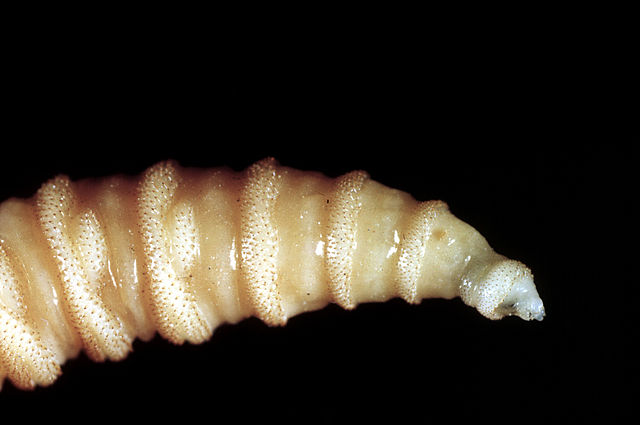
The United States Department of Agriculture announced Thursday that a parasitic screwworm fly, recently introduced in the southern United States, has inflicted injuries on at least 74 animals, among them four dogs and a cat reported this week. Federal officials are coordinating with state animal health agencies to map the outbreak and issue treatment guidelines.
Veterinarians in affected counties are treating the wounds as necrotic infections, urging owners to seek immediate care for any suspicious skin lesions on pets. The agency is also deploying traps and aerial pesticide applications in hotspot regions to curb the fly’s breeding cycle.
In-Depth Analysis & Key Details
The screwworm, a flesh‑eating larva that thrives in warm, humid environments, re‑emerged after decades of eradication efforts in the Americas, exploiting gaps in surveillance and climate shifts that favor its development. Existing federal programs, designed for livestock, are now being stretched to address companion animals, revealing regulatory blind spots.
Experts debate the balance between aggressive pesticide use and ecological impact, while some entomologists argue that targeted sterile‑male releases could offer a longer‑term solution. Meanwhile, pet‑care groups push for rapid diagnostic kits to enable early detection before the larvae cause irreversible damage.
"The sudden surge of screwworm cases underscores a critical failure in our bio‑security net for emerging parasites."
Why This Matters & What Lies Ahead
Pet owners face a tangible health threat that could translate into costly veterinary interventions and emotional distress, especially in regions where the flies have established breeding grounds. The outbreak also tests the USDA’s capacity to protect both livestock and companion animals from invasive species.
Legislators are expected to review funding for expanded surveillance and control measures in the coming weeks, while the USDA may issue new emergency directives that could affect pesticide regulations and interstate animal transport policies.
Source: Reported by Ars Technica · Analyzed & Synthesized by DNB Newsroom