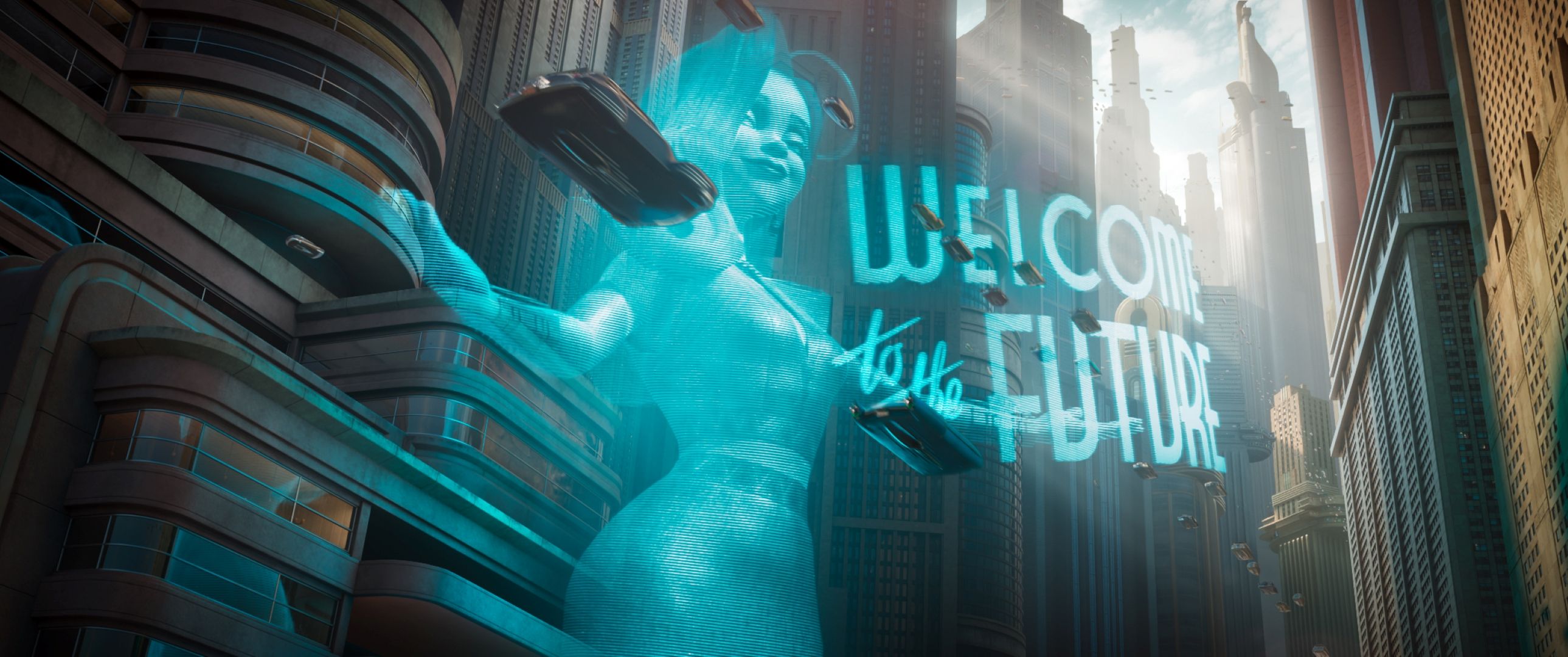
Hollywood’s upcoming release calendar is dominated by a curated selection of science fiction blockbusters that are poised to define the theatrical landscape for the coming year. Leading the charge are high-profile adaptations and sequels, including the continuation of the 'Dune' saga and the adaptation of the iconic video game 'Doom.' These titles have been ranked at the top of industry hype indices, reflecting significant anticipation from both critical observers and general audiences.
The operational context of these releases involves a coordinated effort by major studios to maximize visual impact and narrative continuity. The 'Dune' franchise, having established a critical and commercial foothold, is expected to leverage its existing fanbase to drive opening weekend numbers. Simultaneously, the 'Doom' adaptation represents a significant gamble in the video game-to-film pipeline, aiming to translate a complex gaming narrative into a cinematic experience that appeals to both gamers and traditional moviegoers.
Stakeholder responses from production houses indicate a focus on high-fidelity visual effects and immersive sound design as key differentiators. Marketing campaigns for these films have emphasized the scale of the production and the fidelity to source material, aiming to capitalize on the current cultural fascination with dystopian and post-apocalyptic themes. The ranking of these six titles serves as a barometer for the industry’s confidence in the sci-fi genre’s ability to drive theatrical attendance.
In-Depth Analysis & Key Details
The historical background of this release slate reveals a broader trend in Hollywood toward relying on established intellectual property to mitigate financial risk. In an era where original scripts face higher scrutiny and development costs, adaptations of successful video games and literary works offer a pre-validated audience base. This structural force has led to a consolidation of resources around a few major titles, creating a competitive environment where only the most hyped projects secure prime release windows.
Competing perspectives within the industry highlight a tension between creative ambition and commercial viability. While some critics argue that the reliance on franchise continuations stifles innovation, others point to the financial necessity of such strategies in a post-pandemic recovery phase. Regulatory and market debates often center on the increasing cost of visual effects, which can inflate production budgets and limit the number of viable theatrical releases per year. Economic consequences include a potential squeeze on mid-budget films, as audiences gravitate toward the most visually spectacular experiences.
Expert domain context from film industry analysts suggests that the success of these releases will hinge on their ability to transcend their source material. The 'Doom' adaptation, in particular, faces the challenge of translating a first-person shooter experience into a narrative film, a hurdle that has yet to be fully solved in recent years. The broader implication is a shift toward more interactive and immersive storytelling techniques, potentially influencing future production standards across the genre.
"The convergence of high-stakes IP and advanced visual technology marks a pivotal moment where the line between gaming and cinema continues to blur, demanding a new level of narrative integration."
Why This Matters & What Lies Ahead
For everyday consumers, the dominance of these sci-fi blockbusters influences not only entertainment choices but also cultural discourse surrounding technology, dystopia, and human resilience. The financial performance of these films will have ripple effects on the broader entertainment industry, impacting investment in new projects and the career trajectories of key creative talent. Additionally, the success of video game adaptations may accelerate further crossovers, potentially reshaping how interactive media is consumed and monetized.
Upcoming milestones to monitor include the official release dates, early box office reports, and critical reception upon premiere. Regulatory votes or industry awards ceremonies may also highlight the technical achievements of these productions, providing further insight into the evolving standards of visual effects and sound design. Stakeholders should watch for any shifts in release strategies due to market conditions or competitive pressures from streaming platforms, which continue to compete for audience attention.
Source: Reported by Polygon · Analyzed & Synthesized by DNB Newsroom