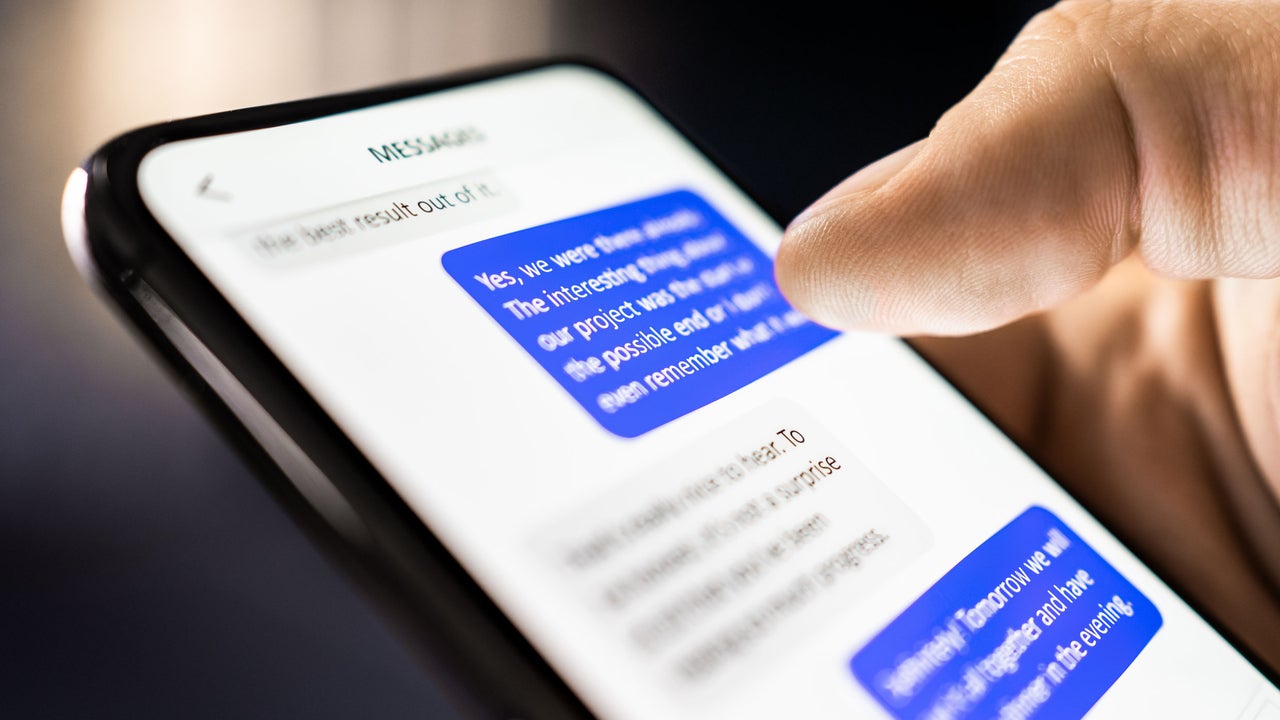
The Federal Trade Commission disclosed on Tuesday that a coordinated network of fraudsters has been leveraging built‑in calendar and text‑message notification systems to deceive millions of smartphone users across the United States and Canada. The operation, which began in early September, sends counterfeit package‑delivery notices, missed‑appointment reminders, and urgent‑payment alerts that appear to originate from reputable services such as UPS, FedEx, and major banks.
Victims receive a short message that includes a link to a seemingly authentic web page where they are prompted to confirm address details, update payment information, or download a purported “delivery confirmation” PDF. In many cases, the link redirects to a clone of the original service’s login portal, capturing usernames, passwords, and credit‑card numbers. The scams have been traced to at least three distinct command‑and‑control servers located in Eastern Europe, with the perpetrators using anonymizing services to mask their identities.
In response, the FTC issued a public advisory, urging consumers to verify any unsolicited notification by contacting the originating company directly through official channels. Apple and Google have released emergency software updates that restrict third‑party apps from automatically adding calendar events without explicit user consent. Law‑enforcement agencies in both countries have opened joint investigations, and a spokesperson for the Department of Justice confirmed that indictments are expected within the next month.
In-Depth Analysis & Key Details
The rise of notification‑based fraud reflects a broader shift in cyber‑criminal tactics from email‑centric phishing to exploiting the trust users place in operating‑system level alerts. Historically, scammers relied on mass‑mail campaigns that suffered low engagement rates; the current approach hijacks the immediacy of push notifications, which users are conditioned to treat as high‑priority. This evolution is enabled by recent changes in iOS and Android that allow apps to pre‑populate calendar entries and send SMS messages with minimal friction, a convenience that was originally intended to streamline legitimate scheduling.
Regulators are divided on how to balance user convenience with security. In the United States, the FTC advocates for mandatory two‑factor verification for any app‑initiated calendar entry, while industry groups argue that such mandates could stifle innovation in productivity tools. The European Union, under its Digital Services Act, is poised to require platform providers to implement “trusted flagging” mechanisms that label automated notifications as system‑generated, a move that could set a global precedent. Economically, the scams have already cost consumers an estimated $12 million in direct losses, with ancillary expenses from identity‑theft remediation adding further strain on financial institutions.
Experts in cybersecurity emphasize that the technical underpinnings of the fraud are relatively simple: attackers craft URLs that mimic legitimate domains, embed them in calendar invites, and rely on the operating system’s default behavior to display the invite as a native alert. Dr. Lina Patel, a professor of computer science at MIT, notes that “the vulnerability lies not in the code itself but in the user‑experience design that assumes all system notifications are trustworthy.” She recommends a multi‑layered defense that combines OS‑level authentication prompts, real‑time URL reputation checks, and public education campaigns targeting the most common social‑engineering cues.
"When a phone tells you an appointment is waiting, you instinctively trust it—scammers have turned that instinct into a weapon."
Why This Matters & What Lies Ahead
For everyday consumers, the proliferation of these scams threatens to erode confidence in digital reminders that underpin everything from medical appointments to bill payments. As more services integrate automated alerts into their user experience, a single breach can cascade into widespread disruption, forcing individuals to double‑check even the most routine notifications and potentially missing critical deadlines.
Legislators and regulators are now racing to codify safeguards before the tactics become entrenched. Upcoming hearings before the U.S. Senate Commerce Committee and the European Parliament’s Committee on the Internal Market will scrutinize the responsibility of platform owners versus third‑party developers. The outcomes could reshape privacy standards, impose new compliance costs on software vendors, and dictate the pace at which future notification‑based innovations are rolled out to the public.
Source: Reported by Fast Company · Analyzed & Synthesized by DNB Newsroom