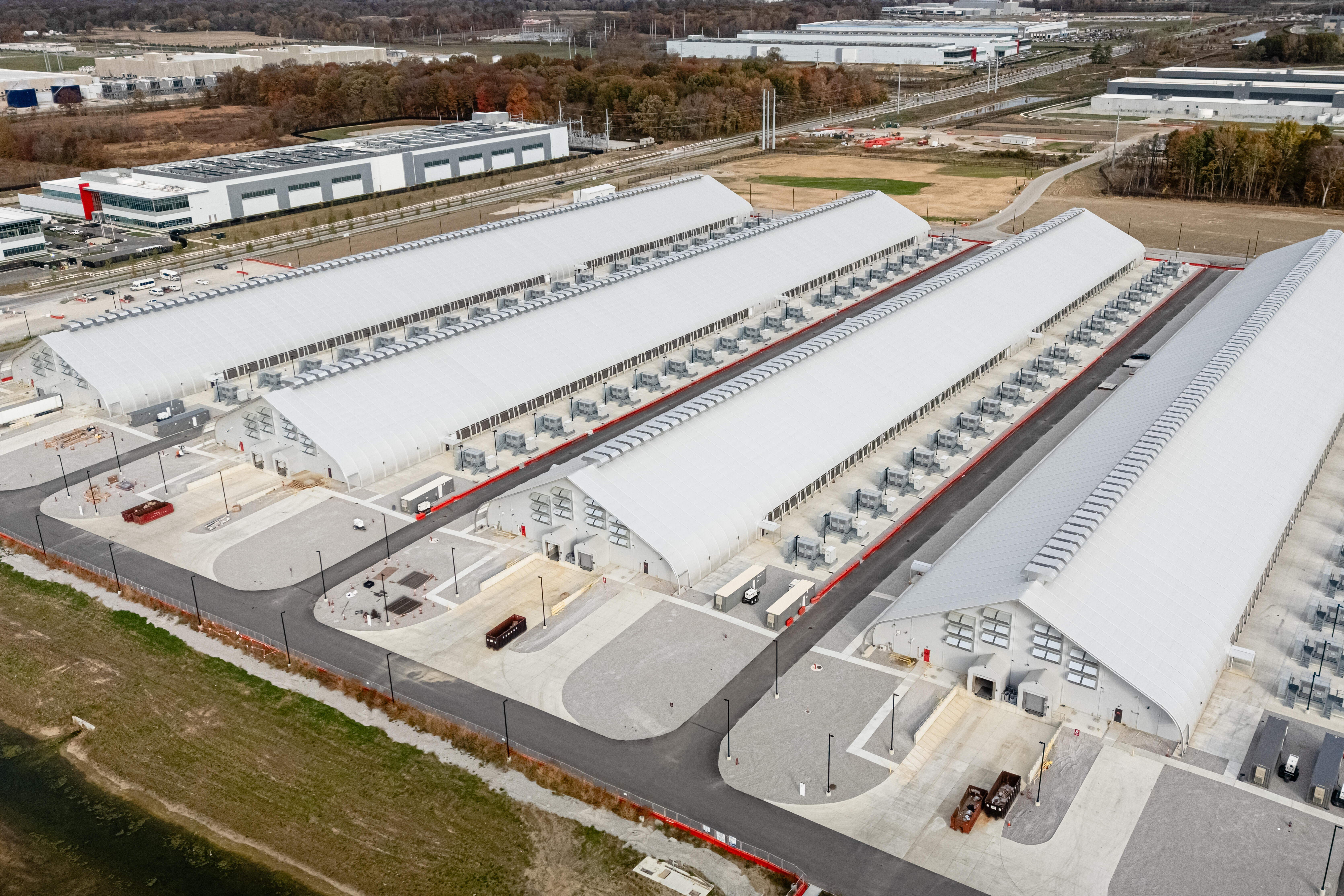
A comprehensive analysis released this week highlights that the rapid deployment of AI‑focused data centers is translating into higher electricity expenses for low‑income, rural households across the United States. The report, compiled by a coalition of energy‑policy researchers, examined utility billing data from 2020‑2023 and matched spikes in consumption to the locations of newly built high‑density server farms.
The investigation focused on regions where broadband infrastructure lagged behind urban hubs, finding that counties with median incomes under $40,000 saw an average 18‑percent rise in residential electricity rates after a data center commenced operations nearby. In contrast, affluent suburban districts experienced a modest 5‑percent increase, underscoring a geographic and socioeconomic imbalance.
State utility commissions and consumer‑protection agencies have responded by requesting additional data from the firms operating the facilities. Preliminary statements from the Federal Energy Regulatory Commission emphasize the need for “transparent cost allocation mechanisms” to ensure that private tech expansion does not subsidize public utility bills at the expense of vulnerable populations.
In-Depth Analysis & Key Details
The current disparity traces back to the early 2010s when cloud providers began clustering AI workloads in regions with abundant, low‑cost power—often supplied by legacy coal or natural‑gas plants in the Midwest and South. Over the past decade, tax incentives and renewable‑energy credits have drawn developers to rural locales, creating a new energy‑intensive industrial corridor that sits alongside agricultural communities.
Policy debates now center on whether existing rate‑design structures, which spread grid maintenance costs evenly, should be adjusted to reflect localized demand surges. Industry analysts observe that utilities are reluctant to raise residential rates because of political pressure, yet they also warn that without price signals, grid operators may be forced to procure additional peaking power at premium rates, ultimately inflating costs for all customers.
Energy‑policy scholars note that the issue intersects with broader climate goals. While data centers are increasingly pledging carbon‑neutral operations, the immediate reality is higher fossil‑fuel consumption in areas lacking robust renewable integration. This tension between long‑term sustainability pledges and short‑term cost externalities fuels the current regulatory scramble.
"The hidden price tag of AI is being written on the utility bills of America’s most vulnerable households."
Why This Matters & What Lies Ahead
For everyday consumers in affected counties, the added expense can mean the difference between keeping lights on and cutting back on essential services, especially during extreme weather events when power demand spikes. The ripple effect extends to local economies, as higher operating costs can depress disposable income and strain small businesses that rely on affordable energy.
Legislators in several states have scheduled hearings for early next year to examine the study’s methodology and explore policy tools such as community solar credits, tiered rate structures, or direct subsidies for low‑income users. Meanwhile, the Federal Energy Regulatory Commission is expected to issue draft guidance later this summer on cost‑allocation transparency for large‑scale data‑center projects, setting a potential national precedent.
Source: Reported by CBS News · Analyzed & Synthesized by DNB Newsroom