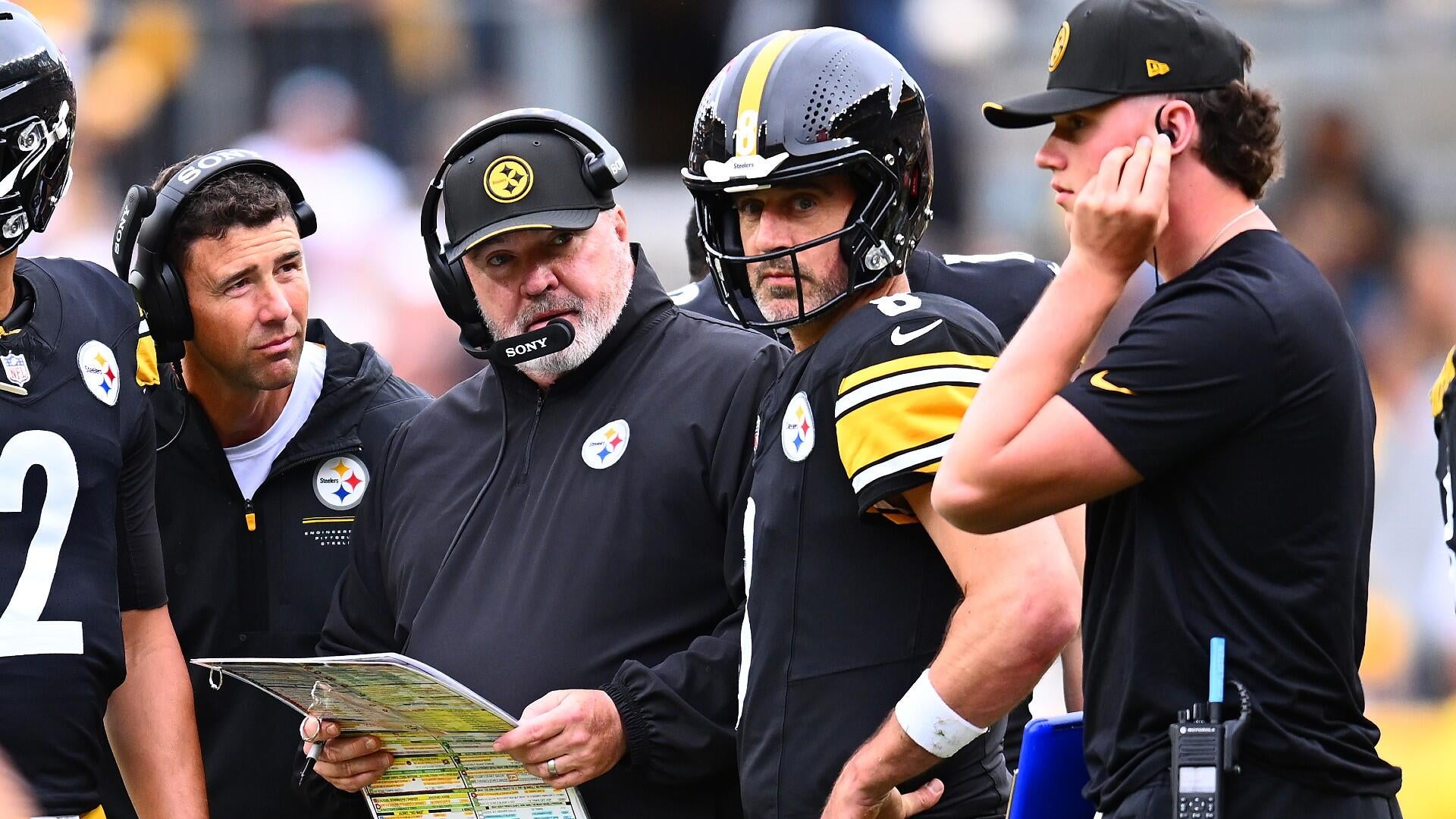
The already turbulent tenure of Aaron Rodgers with the Pittsburgh Steelers has reached its definitive conclusion, with the four-time Super Bowl winner publicly announcing his exit from the franchise. In a candid and unfiltered post-game interview, Rodgers did not merely hint at a parting of ways; he stated unequivocally that his time in Pittsburgh is over. This declaration follows a period of intense scrutiny regarding his performance and his relationship with the coaching staff, culminating in his recent benching during a critical stretch of the season. The announcement transforms what was previously viewed as a potential mid-season adjustment into a permanent severance of ties between one of the league’s most recognizable figures and the Steelers organization.
The geographical and operational context of this split is rooted in the immediate aftermath of a game where Rodgers was replaced, a decision that had already sparked widespread debate among fans and analysts. The Steelers' front office, led by head coach Mike McCarthy, had made the strategic choice to sideline the veteran quarterback, a move that was intended to revitalize the offense but instead ignited a firestorm of criticism. Rodgers, who had joined Pittsburgh with high expectations of reviving a dynasty, found himself at odds with the tactical direction of the team. The physical distance between the locker room and the press conference area became a symbolic threshold, crossing which marked the end of any possibility for reconciliation within the current coaching regime.
In his official remarks, Rodgers went beyond standard diplomatic language to level specific accusations against McCarthy, alleging that the head coach was not fully engaged in the strategic planning process. By describing McCarthy as 'sleeping through meetings,' Rodgers painted a picture of a leadership vacuum that he felt was detrimental to the team's success. This is not a typical parting shot; it is a direct indictment of the coaching staff's preparation and respect for the quarterback's role in game planning. The immediate response from the Steelers organization has been one of controlled silence, leaving the narrative largely in Rodgers' hands and setting the stage for a potential legal or contractual dispute regarding the terms of his departure.
In-Depth Analysis & Key Details
The historical background of this rupture must be understood through the lens of the NFL's evolving quarterback market and the specific dynamics of the Rodgers-McCarthy relationship. When Rodgers signed with Pittsburgh, it was framed as a marriage of convenience and mutual benefit: the Steelers gained a proven winner, and Rodgers sought a new platform to extend his legacy. However, the structural forces at play reveal a deeper incompatibility. McCarthy, a coach with a history of managing veteran quarterbacks in a system-driven manner, found himself at odds with a player who insists on significant input in play-calling and strategic design. This tension is not unique to Pittsburgh, but the public airing of grievances here is unprecedented in its specificity and severity.
Competing perspectives on this event highlight a broader debate within the NFL regarding the balance of power between star players and coaching staffs. Industry analysts observe that while players' unions have pushed for greater player autonomy, coaches are increasingly expected to maintain strict hierarchical control to ensure team cohesion. The economic consequences of this split are significant; the Steelers now face the immediate challenge of finding a viable starter while managing the financial implications of Rodgers' contract. For Rodgers, the decision to burn these bridges may limit his future options, as other franchises may view his public criticism of a head coach as a red flag regarding his fit within a team structure. The regulatory and contractual frameworks governing NFL player movements now come into play, with potential implications for how future high-profile departures are handled.
Expert domain context suggests that this incident is a microcosm of larger trends in professional sports, where the personal brand of a star athlete often clashes with the institutional needs of the franchise. The 'sleeping through meetings' accusation is particularly damaging because it strikes at the core of professional respect. In high-stakes environments like the NFL, where preparation is paramount, such an allegation implies a fundamental lack of commitment from the coaching side. This narrative shift from a performance issue to a character and professionalism issue complicates any potential reconciliation and may influence how other veteran players navigate their relationships with coaching staffs in the future. The incident underscores the fragility of trust in high-pressure professional settings and the long-term reputational costs of public confrontations.
"The accusation that a head coach was 'sleeping through meetings' is not merely a complaint about performance; it is a declaration that the foundational trust required for elite athletic collaboration has been irreparably shattered."
Why This Matters & What Lies Ahead
For everyday fans and the broader sports community, this development reshapes the narrative of the current NFL season and sets a precedent for how star players and coaches navigate public disagreements. The direct impact on the Pittsburgh Steelers is immediate, as they must now restructure their offensive strategy and manage fan expectations in light of a public rupture that has tarnished the team's image. Financially, the situation has implications for the NFL's labor dynamics, as it highlights the tensions between player autonomy and coaching authority that are central to ongoing collective bargaining discussions. The incident also serves as a cautionary tale for other franchises attempting to sign veteran quarterbacks, reminding them that the integration of a star player is as much about cultural and strategic alignment as it is about on-field talent.
Upcoming milestones to watch include the Steelers' next official statement regarding Rodgers' departure and any potential legal or contractual actions that may follow. The NFL's front office will likely monitor the situation closely, as it tests the boundaries of player conduct and the rights of coaching staffs. Fans and analysts should also keep an eye on how other teams react to this incident, as it may influence their willingness to sign veteran quarterbacks with similar histories of conflict with coaching staffs. The resolution of this dispute will have long-term implications for the NFL's image and the way it manages its most valuable assets, the quarterbacks who define the league's narrative.
Source: Reported by CBS Sports · Analyzed & Synthesized by DNB Newsroom