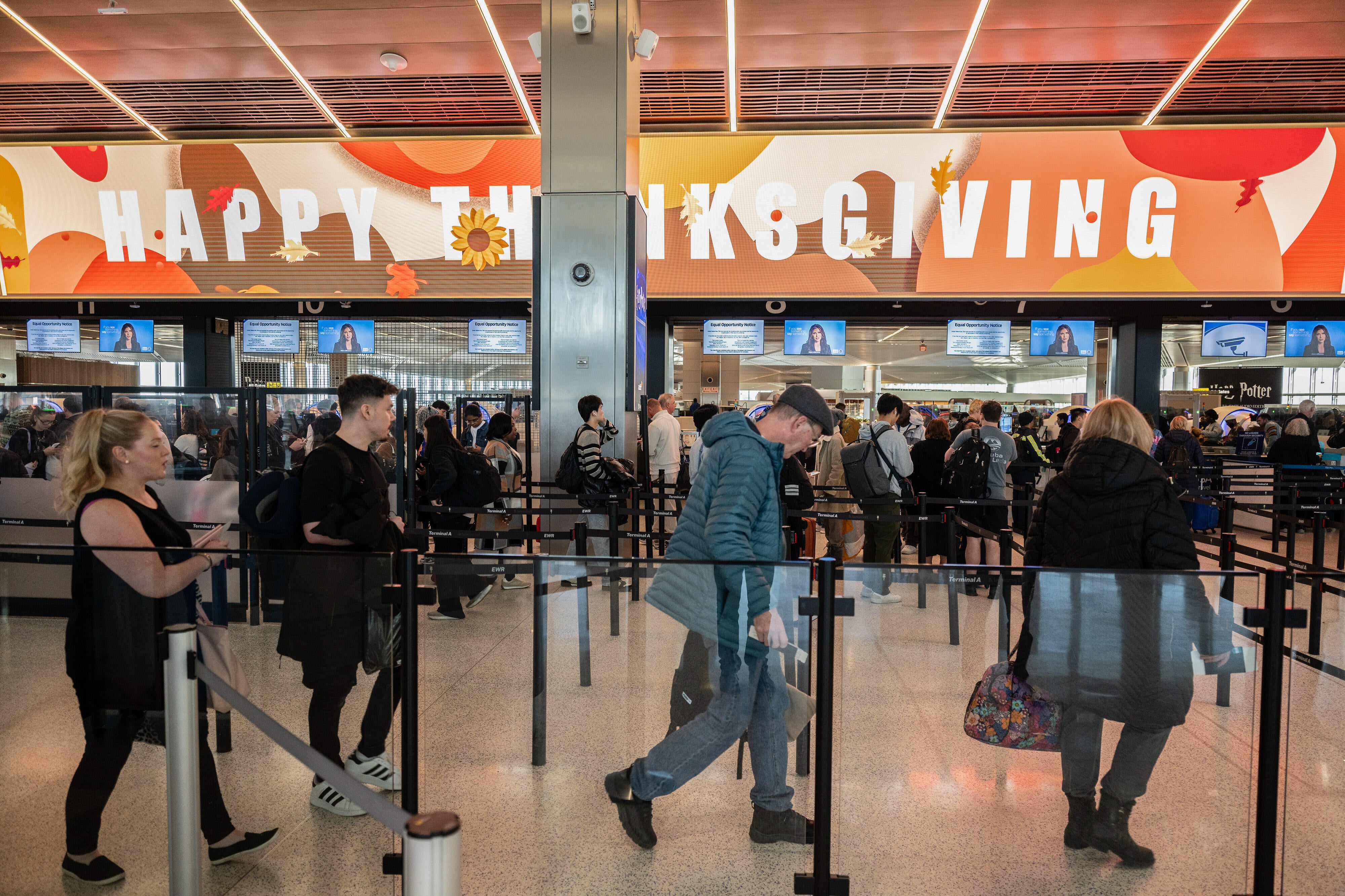
AAA released its holiday travel outlook on Tuesday, indicating that the combination of soaring airline fares and elevated gasoline costs will shave a few percentage points off the usual Thanksgiving surge. The projection covers the period from the Wednesday before Thanksgiving through the Sunday after, encompassing the nation’s busiest travel days and the busiest airports such as Atlanta, Chicago O’Hare and Los Angeles International.
The agency’s analysis suggests that while some leisure travelers will postpone or cancel trips, the core flow of business travelers and essential cargo movements will persist, keeping runway activity and highway traffic near historic peaks. Major interstate corridors like I‑95 and I‑75 are still expected to see congestion levels comparable to previous years, according to traffic monitoring firms.
An AAA spokesperson emphasized that the price pressure is the primary deterrent, noting that “even a modest rise in ticket and fuel costs can tip the balance for families weighing holiday travel against budget constraints.” Airline representatives acknowledged the pricing trend but pointed to limited seat availability as an additional factor, while consumer advocacy groups warned that higher costs could disproportionately affect lower‑income households.
In-Depth Analysis & Key Details
Thanksgiving travel has long been a bellwether for the U.S. economy, with the holiday period traditionally generating a 6‑7 percent lift in passenger miles over the preceding weeks. Over the past decade, however, volatile fuel markets and inflationary pressures have introduced new elasticity into traveler behavior, prompting analysts to monitor price sensitivity more closely.
The current environment reflects a confluence of factors: crude oil prices have hovered near $90 per barrel, pushing jet fuel costs upward; airlines have responded by tightening fare structures and adding fuel surcharges. Simultaneously, the Federal Reserve’s higher interest rates have squeezed disposable income, making discretionary travel a tougher sell. Regulatory bodies such as the Department of Transportation have faced criticism for limited transparency in airline pricing, fueling calls for stronger consumer‑protection rules.
Aviation safety advocates note that reduced passenger volumes do not automatically translate into smoother security operations, as staffing levels and technology deployments remain fixed. Industry analysts observe that airlines may offset lower demand by consolidating flights, which could concentrate passengers into fewer departures and potentially strain airport resources during peak windows.
"Even a modest price hike can tip the balance for families weighing holiday travel against budget constraints."
Why This Matters & What Lies Ahead
For everyday Americans, the projected dip means higher out‑of‑pocket costs for those who still choose to travel, potentially prompting a shift toward virtual gatherings or alternative destinations. Retailers that rely on holiday foot traffic may see a marginal slowdown, while airlines and hotels could experience tighter revenue margins, influencing stock performance and investor sentiment.
Policymakers and regulators will be watching the Thanksgiving period as a test case for upcoming legislative proposals aimed at increasing pricing transparency and protecting consumers from abrupt fare spikes. The Department of Transportation has scheduled a hearing in early December to examine airline pricing practices, and the Federal Aviation Administration is reviewing staffing models at major security checkpoints ahead of the holiday rush. These developments could set precedents that shape travel economics well beyond the season.
Source: Reported by CBS News · Analyzed & Synthesized by DNB Newsroom