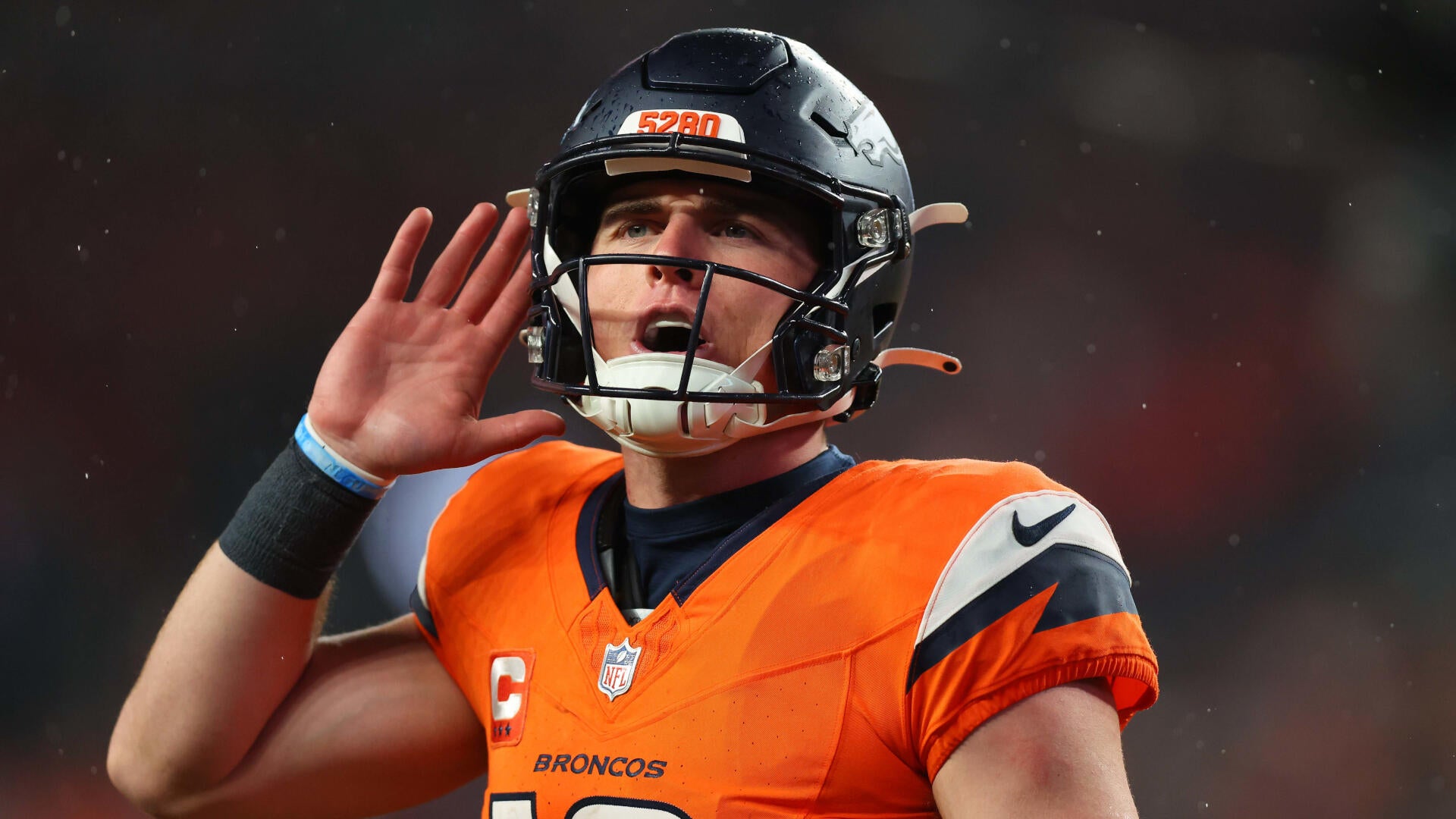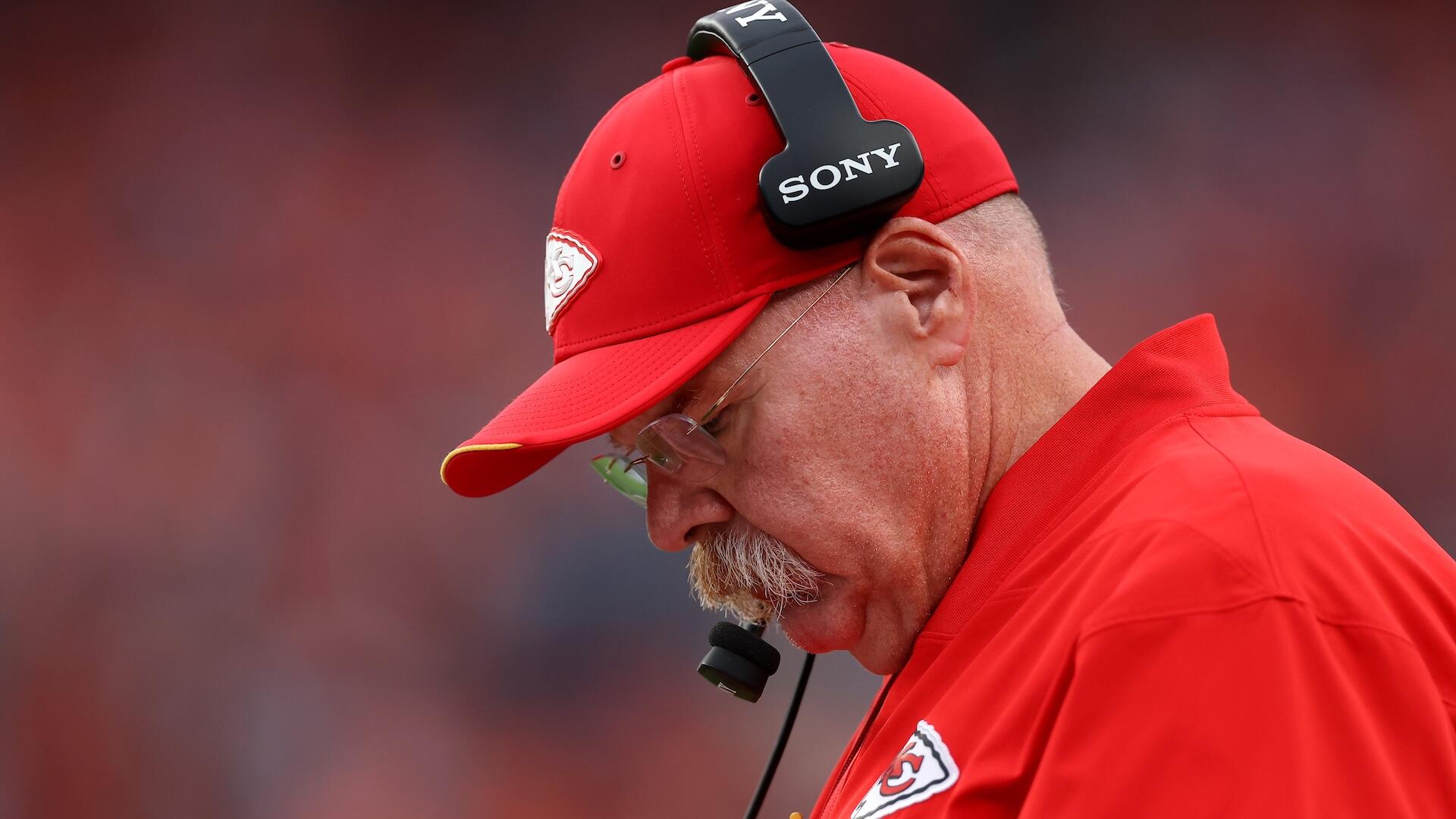
Kansas City head coach Andy Reid took to the post‑game press conference to condemn a controversial false‑start penalty that erased a potential go‑ahead touchdown for his team in the final minutes of their latest matchup. The infraction was called on right tackle Jaylon Moore as the Chiefs lined up for a short‑yardage play, wiping out a pass that appeared to cross the goal line and give Kansas City a two‑point edge.
The incident unfolded at the 3:12 mark of the fourth quarter at the opponent’s stadium, a tightly contested showdown that had the lead swapping multiple times. After the touchdown was nullified, the Chiefs were forced to settle for a field‑goal attempt, which fell short, leaving the game within striking distance for the opposition.
In the aftermath, Reid expressed frustration with the officiating crew, stating that the false‑start call was “mistimed and misapplied” and called for a review of the replay process. League officials later released a brief statement acknowledging the difficulty of split‑second calls but defended the decision as consistent with current rule interpretations.
In-Depth Analysis & Key Details
The false‑start rule, instituted to preserve fair play and prevent offensive teams from gaining an undue advantage, has historically been a gray area, with officials relying on real‑time judgment rather than video review. Over the past decade, the NFL has incrementally expanded replay to cover scoring plays, yet penalties like false starts remain outside that safety net, leaving teams vulnerable to human error.
Reid’s outburst reignites a broader debate among coaches, players, and analysts about whether the league should extend replay to include pre‑snap infractions, especially in high‑stakes moments. Proponents argue that technology can eliminate costly mistakes, while opponents caution that expanding review could disrupt the game’s flow and lengthen broadcast windows, potentially affecting advertising revenue.
Veteran referee supervisor Mike Pereira weighed in, noting that the league’s competition committee is already reviewing the incident as part of its annual rule‑book audit. He emphasized that any amendment would need to balance competitive integrity with operational practicality, a challenge that has stalled similar proposals in prior seasons.
"When a call erases a potential winning score, it isn’t just a missed opportunity—it shakes the very foundation of fair competition on the field."
Why This Matters & What Lies Ahead
For everyday fans, the controversy highlights how a single officiating decision can swing the outcome of a game, influencing playoff positioning, betting markets, and the emotional investment of millions of viewers. It also raises questions about the reliability of the NFL’s current adjudication system, prompting calls for greater transparency and consistency.
Looking ahead, the league’s competition committee is slated to meet in early February to deliberate rule changes, with any revisions expected to be voted on at the NFL owners’ meeting in March. Stakeholders—including the NFL Players Association and broadcasters—will be monitoring the proceedings closely, as any shift in replay policy could reshape game strategy, coaching decisions, and the broader business model of professional football.
Source: Reported by CBS Sports · Analyzed & Synthesized by DNB Newsroom