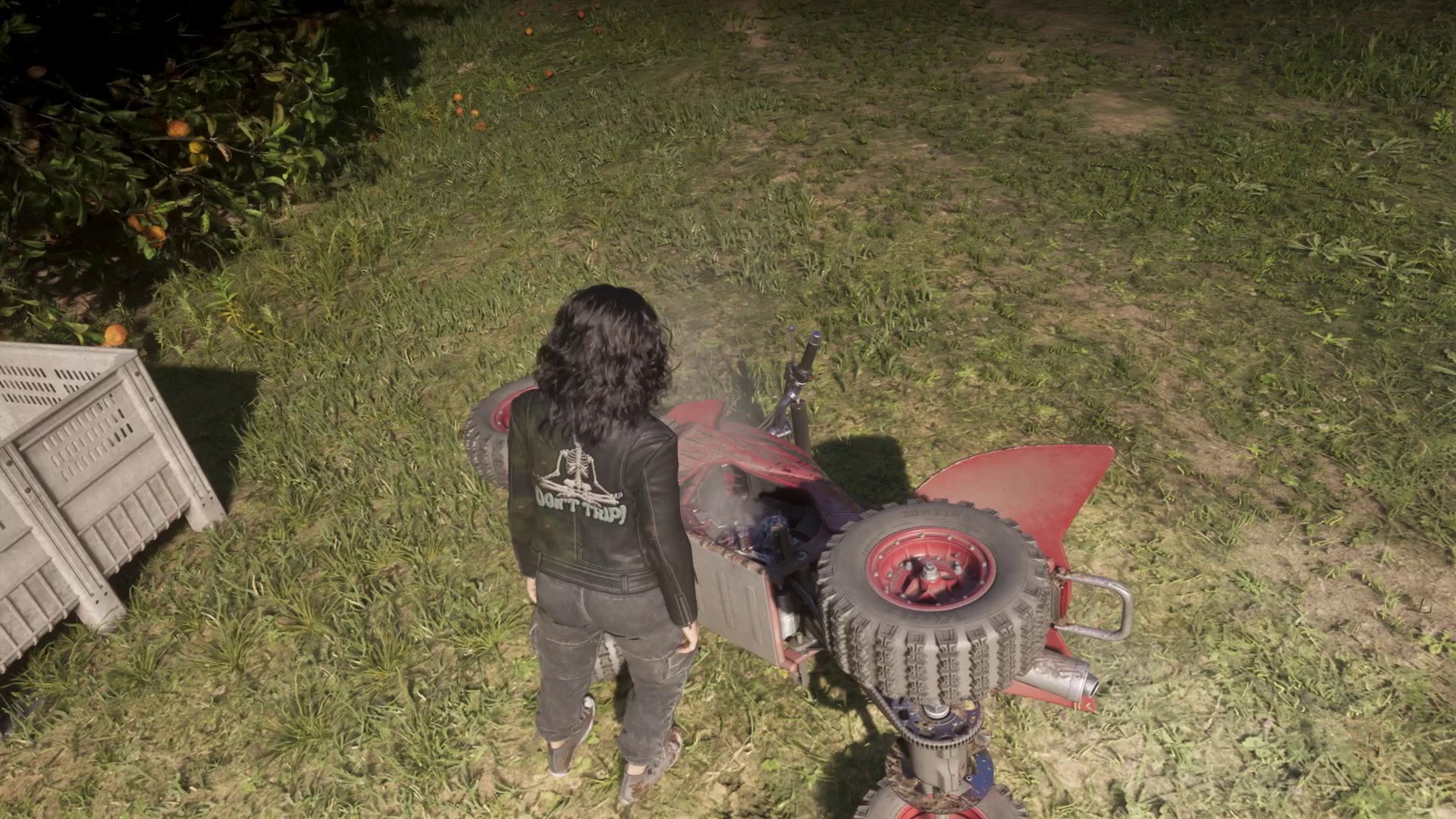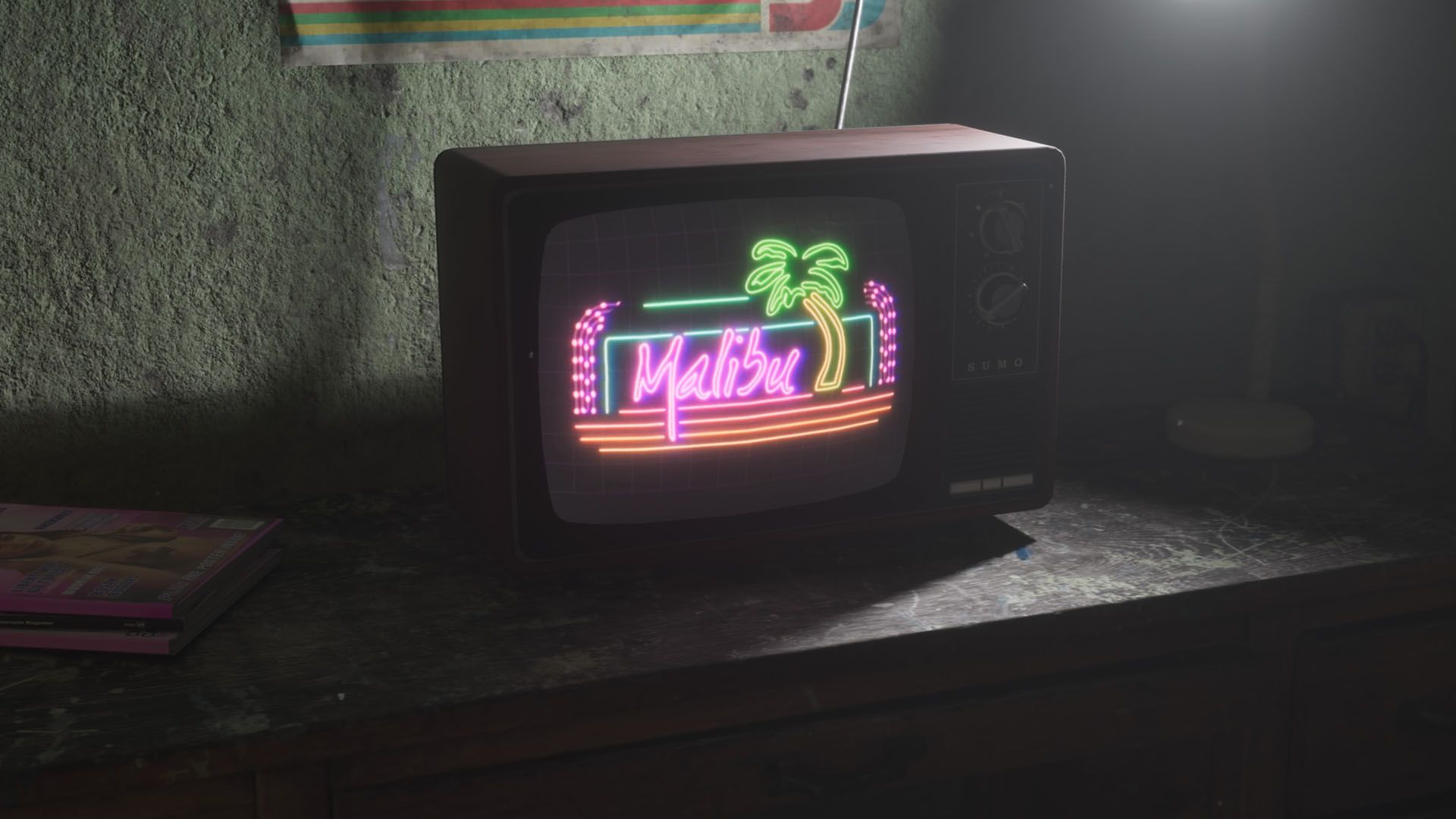
The digital landscape surrounding the highly anticipated release of Grand Theft Auto VI was abruptly disrupted when Colombian reggaeton artist Frank El Santo initiated a series of automated copyright claims against gameplay livestreams on YouTube. The action resulted in the rapid removal of content from a wide array of gaming channels, effectively silencing a significant portion of the online community’s engagement with the latest trailer and gameplay footage. The strikes were executed through YouTube’s Content ID system, a proprietary automated tool designed to detect and manage copyrighted material, which flagged the streams as infringing upon El Santo’s musical works.
The operational impact was immediate and widespread, affecting creators across multiple geographic regions who had been streaming the game’s promotional materials. The takedowns occurred without the standard human review process that typically precedes the final removal of content, leaving many streamers confused and unable to access their previously uploaded videos. The incident occurred in the midst of a period of heightened interest in GTA 6, where fan-generated content plays a crucial role in building anticipation and community discussion around the title’s mechanics and narrative elements.
In response to the backlash, El Santo later clarified that the claims were the result of an automated system error rather than a deliberate attempt to suppress fan content. However, the initial lack of communication and the sheer volume of strikes caused significant disruption. Gaming industry observers note that while the artist’s intent may not have been malicious, the incident highlights the serious consequences of relying on automated enforcement mechanisms without adequate safeguards or clear communication channels for affected creators.
In-Depth Analysis & Key Details
This incident is not an isolated anomaly but rather a manifestation of long-standing structural issues within digital copyright enforcement. The Content ID system, while effective in identifying copyrighted material, often lacks the contextual understanding necessary to differentiate between direct infringement and fair use or transformative content. This limitation has been a subject of ongoing debate among legal scholars, content creators, and platform operators, who argue that automated systems can lead to over-enforcement and the suppression of legitimate creative expression. The case of Frank El Santo’s claims against GTA 6 streams exemplifies how these systemic flaws can have tangible, real-world impacts on the gaming industry and its communities.
Competing perspectives on this issue reflect broader tensions in the digital economy. On one hand, rights holders argue that automated systems are essential for protecting their intellectual property in an environment where content can be replicated and distributed instantly. On the other hand, content creators and digital rights advocates contend that such systems disproportionately burden smaller creators who lack the legal resources to challenge erroneous claims. The economic consequences of these takedowns are significant, as they can result in lost ad revenue, reduced audience engagement, and damage to a creator’s brand. This dynamic creates a precarious environment for independent creators who rely on user-generated content to sustain their livelihoods.
Industry analysts observe that the incident underscores the need for more nuanced approaches to copyright enforcement that incorporate human oversight and contextual analysis. They suggest that platforms should invest in more sophisticated AI models capable of understanding the intent and nature of the content, rather than relying solely on pattern matching. Additionally, there is a call for greater transparency and accountability from both rights holders and platforms, ensuring that creators are informed and provided with clear avenues for appeal when their content is flagged. This shift could help mitigate the risks associated with automated enforcement and foster a more balanced digital ecosystem.
"The weaponization of automated copyright systems against fan content reveals a critical flaw in our digital infrastructure: the absence of human judgment in high-stakes content moderation decisions."
Why This Matters & What Lies Ahead
For everyday readers and gaming enthusiasts, this incident serves as a stark reminder of the fragility of digital content and the potential for unintended consequences in automated systems. It highlights the risks faced by content creators who depend on platforms like YouTube for their livelihoods, as a single erroneous claim can disrupt their work and financial stability. Moreover, it raises important questions about the balance between protecting intellectual property and fostering a vibrant, creative online community. The incident also has implications for the gaming industry, as fan-generated content plays a vital role in marketing and community building for major titles like GTA 6.
Looking ahead, several key milestones and regulatory developments warrant close attention. Industry stakeholders are likely to push for reforms in how platforms handle automated copyright claims, potentially leading to new guidelines or policies that require human review for high-impact takedowns. Additionally, legal challenges may arise as creators seek compensation for losses incurred due to erroneous claims. Regulatory bodies may also scrutinize the practices of major tech companies, prompting discussions about liability and the need for more robust consumer protection measures. These developments could shape the future of digital content moderation and have far-reaching implications for the entire online ecosystem.
Source: Reported by Polygon · Analyzed & Synthesized by DNB Newsroom