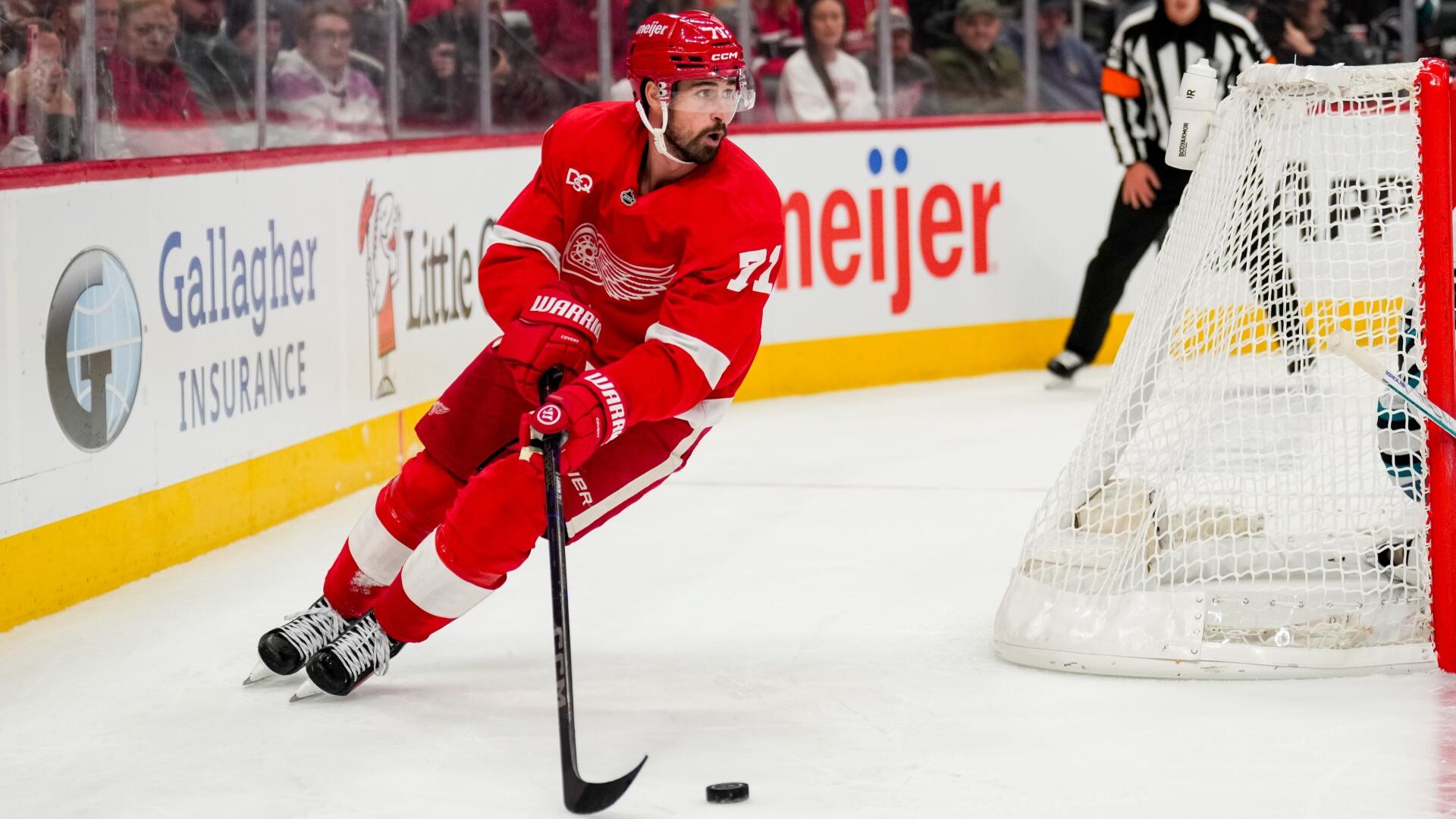
Detroit’s management announced on Monday that the Red Wings had traded a package of prospects and draft picks to the Montreal Canadiens in exchange for former captain Dylan Larkin, who had previously led the team to a Stanley Cup in 1997. The deal, finalized at 10:00 p.m. EST, sees Larkin return to the Iron River for a two‑year contract worth $10.8 million, while Montreal receives a 2025 first‑round pick, a 2026 second‑round pick, and two prospects—center Alex Bennett and defenseman Marco Lombardi.
The trade was executed in Detroit’s home arena, Little Caesars Arena, where the Red Wings’ general manager, Steve Yzerman, highlighted the strategic intent: “We’re bringing back a player who knows our culture and can help us compete immediately.” Montreal’s general manager, Michel Gagnon, emphasized the long‑term benefits: “These assets give us the flexibility to rebuild around our young core and stay competitive in the long run.”
Larkin, who last played for Detroit in 2022, expressed enthusiasm about returning: “I’m excited to come back to Detroit and help the team in any way I can.” The announcement was met with cheers from fans and a flurry of social media commentary, underscoring the emotional resonance of the trade.
In-Depth Analysis & Key Details
Historically, Dylan Larkin has been a cornerstone of Detroit’s identity, serving as captain for nine seasons and leading the team in points during multiple playoff runs. His departure in 2022 to the Toronto Maple Leafs marked a turning point for the Red Wings, prompting a rebuild that has yet to yield a playoff berth. The return of Larkin signals Detroit’s pivot from a rebuild to a “win‑now” posture, aligning with the franchise’s recent strategic shift under new ownership.
From a regulatory perspective, the trade reflects the NHL’s salary‑cap constraints, with Larkin’s $5.4 million cap hit freeing room for Detroit’s core players, such as Dylan DeMelo and Sebastian Aho. Conversely, Montreal’s acquisition of draft picks and prospects aligns with the league’s emphasis on youth development and long‑term asset accumulation. Analysts note that the trade’s structure—combining immediate talent with future picks—mirrors a broader trend in the NHL, where teams balance short‑term competitiveness with long‑term sustainability.
In technical terms, the trade’s impact on team chemistry is significant. Larkin’s playmaking ability and leadership are expected to bolster Detroit’s offensive lines, while the Canadiens’ prospects bring fresh energy to a roster that has struggled to maintain consistency. The move also has ripple effects on the Central Division, potentially altering playoff trajectories and influencing the trade deadline strategies of neighboring teams.
"The trade illustrates how a single veteran can pivot a franchise’s trajectory, blending immediate competitiveness with a foundation for future success."
Why This Matters & What Lies Ahead
For everyday fans, the return of a beloved captain rekindles hope and excitement, potentially boosting ticket sales, merchandise revenue, and local economic activity tied to game days. The trade also signals to the broader sports business ecosystem that veteran leadership remains a valuable commodity, influencing how teams structure their cap space and roster construction.
Looking ahead, the trade’s implications will unfold over the next season, with the Red Wings’ performance in the 2025‑26 NHL campaign serving as a litmus test for the deal’s success. Key milestones include the upcoming NHL trade deadline on March 12, 2025, where teams may reassess their rosters, and the collective bargaining agreement negotiations slated for the summer, which could reshape salary‑cap parameters and player movement rules. Stakeholders across the league will watch closely to gauge how this blockbuster deal sets a precedent for future transactions.
Source: Reported by CBS Sports · Analyzed & Synthesized by DNB Newsroom


