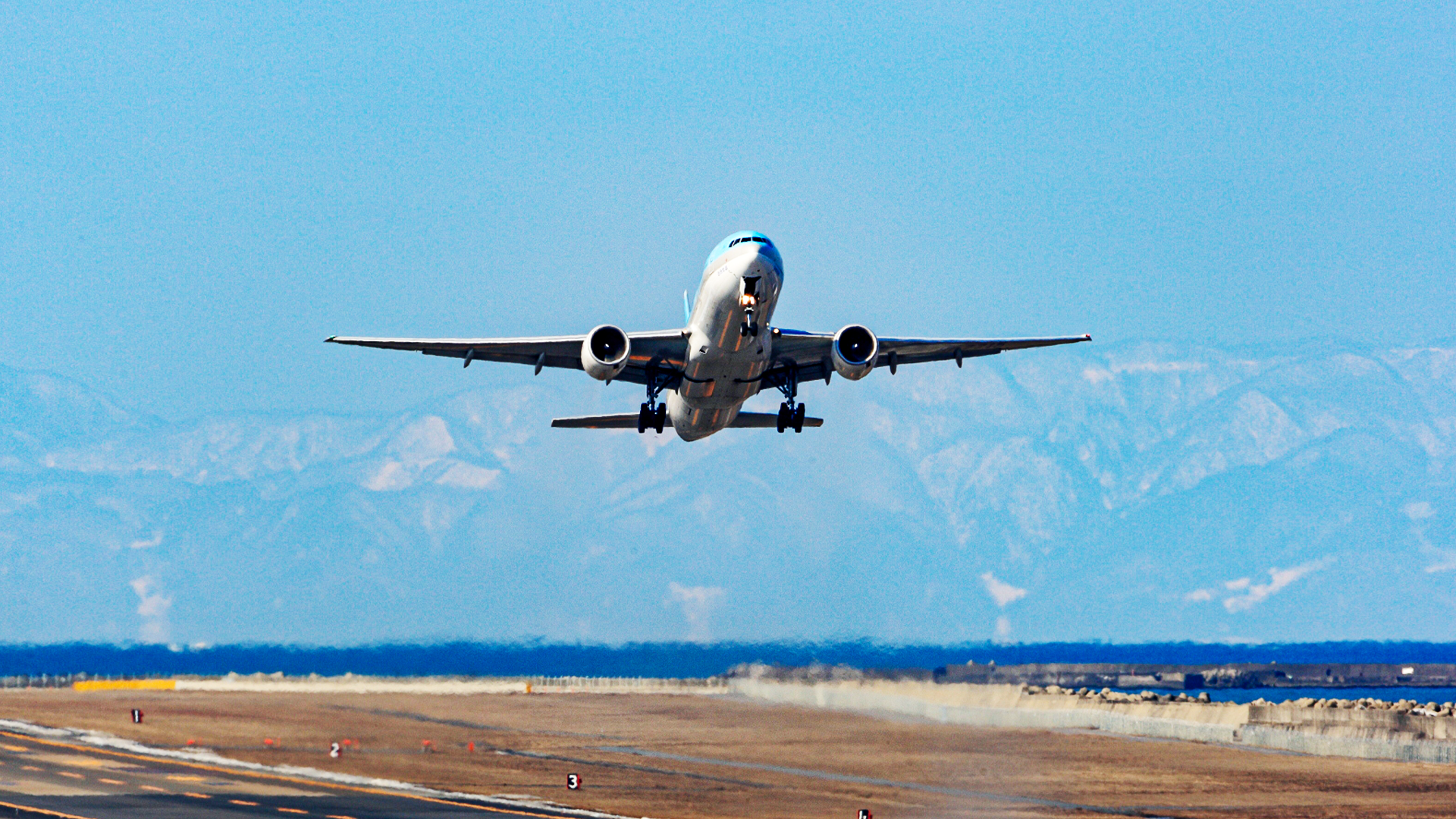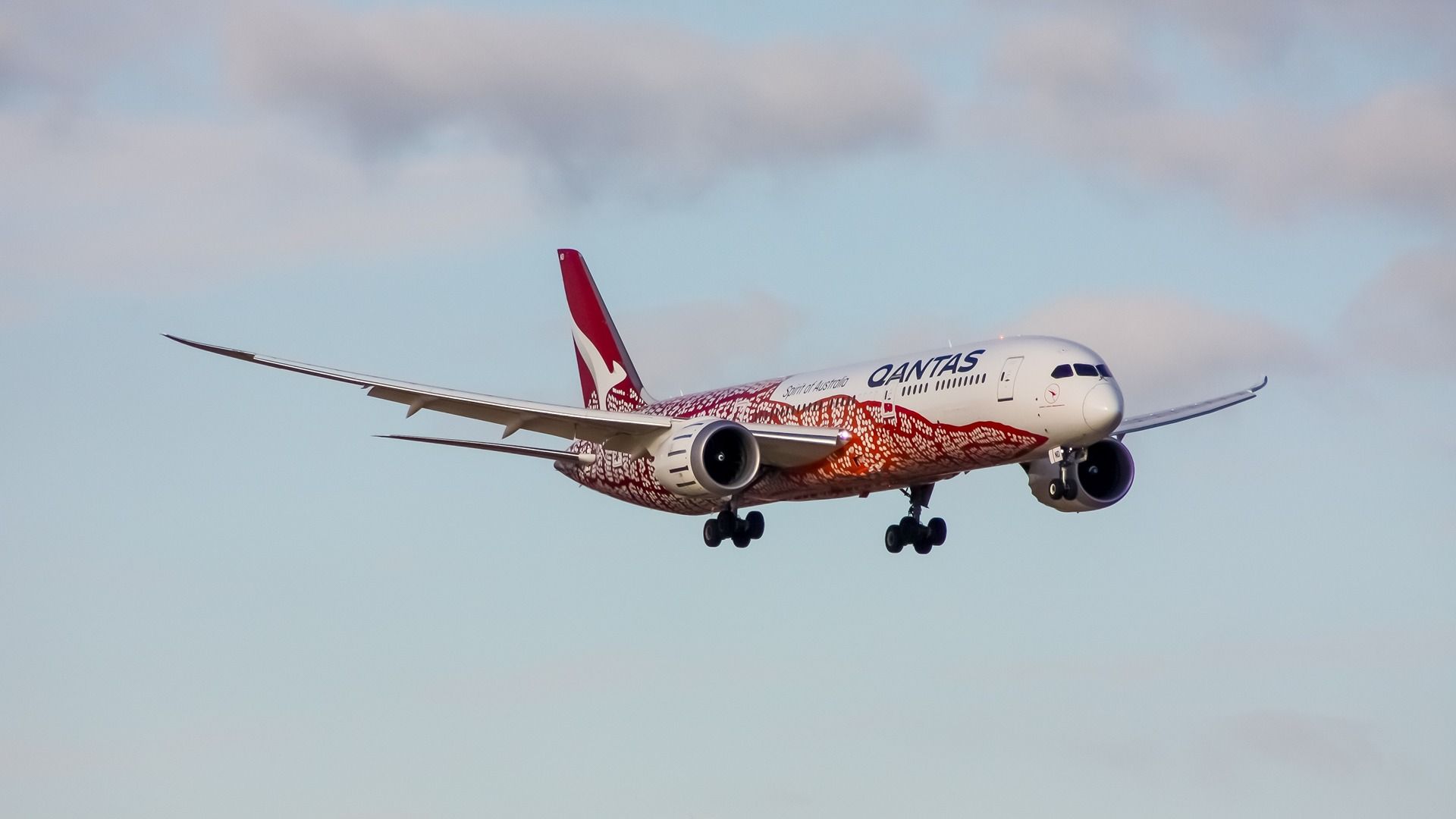
A Qantas Boeing 787 Dreamliner operating flight QF21 from Melbourne to Dallas was compelled to abort its trans-Pacific journey and return to the departure airport following a critical anomaly detected during the climb-out sequence. The flight, which had cleared the runway and initiated its ascent, encountered a situation where parts of the aircraft detached, prompting the flight crew to declare an emergency and execute an immediate turnaround. This decisive action prevented the aircraft from continuing its long-distance flight with a compromised airframe, prioritizing the safety of all passengers and crew on board.
The diversion occurred shortly after takeoff, a phase of flight where aerodynamic forces are at their peak and any structural compromise can have immediate and severe consequences. Upon returning to Melbourne, the aircraft was directed to a secure parking position away from the active runway, where it was secured for a thorough investigation. The rapid response by the flight crew and air traffic control facilitated a safe landing, ensuring that the incident did not escalate into a more catastrophic event over the ocean or remote airspace.
Qantas has confirmed that the aircraft has been grounded pending a comprehensive inspection by its engineering team. While specific details regarding the nature of the detached debris have not yet been fully disclosed to the public, the airline emphasized that the decision to return was based on strict adherence to safety regulations and manufacturer guidelines. Passengers on the flight were accommodated, and the airline is working to resolve the disruption to its schedule, acknowledging the inconvenience caused by the unexpected delay.
In-Depth Analysis & Key Details
The Boeing 787 Dreamliner, while celebrated for its fuel efficiency and advanced composite materials, has historically faced scrutiny regarding its maintenance protocols and structural integrity. This incident, though not indicative of a systemic design flaw, highlights the ongoing challenges airlines face in managing the complex maintenance requirements of modern wide-body aircraft. The use of composite materials in the 787's construction, while offering significant weight and efficiency benefits, requires specialized inspection techniques and rigorous adherence to maintenance schedules to prevent fatigue-related failures.
From a regulatory perspective, such incidents trigger a cascade of safety reviews and potential audits by aviation authorities. The Federal Aviation Administration (FAA) and the Civil Aviation Safety Authority (CASA) in Australia monitor these events closely, often requiring airlines to submit detailed incident reports and corrective action plans. This level of scrutiny ensures that any potential issues are identified and addressed before they can affect other aircraft in the fleet, maintaining the high safety standards expected of international carriers.
Industry analysts observe that while individual incidents like this can impact short-term operational efficiency and passenger confidence, they also serve as a testament to the effectiveness of modern aviation safety systems. The ability of the crew to identify and respond to the anomaly during the climb phase demonstrates the critical importance of training and situational awareness. Furthermore, the grounding of the aircraft for inspection reflects a proactive approach to risk management, where the cost of delay is weighed against the potential risks of continued operation with an unverified airframe.
"The rapid decision to divert QF21 exemplifies the non-negotiable priority of structural integrity in long-haul aviation, where the cost of a precautionary landing is far less than the potential consequences of a mid-air failure."
Why This Matters & What Lies Ahead
For travelers, this incident underscores the inherent complexities and risks associated with long-haul air travel, even on advanced aircraft. Passengers on QF21 experienced significant delays and disruption to their travel plans, highlighting the vulnerability of interconnected global travel schedules to single-aircraft failures. For the broader travel industry, such events can lead to increased scrutiny of maintenance practices and potentially higher operational costs as airlines invest in more frequent inspections and advanced diagnostic tools to prevent similar occurrences.
In the coming weeks, stakeholders should monitor the official investigation reports released by Qantas and relevant aviation authorities. These reports will provide detailed insights into the root cause of the debris shedding and any corrective measures taken to prevent recurrence. Additionally, regulatory bodies may issue new safety directives or update maintenance guidelines for the Boeing 787 fleet, which could have implications for other airlines operating similar aircraft. Keeping an eye on these developments will be crucial for understanding the long-term impact on aviation safety standards and operational reliability.
Source: Reported by Simple Flying · Analyzed & Synthesized by DNB Newsroom