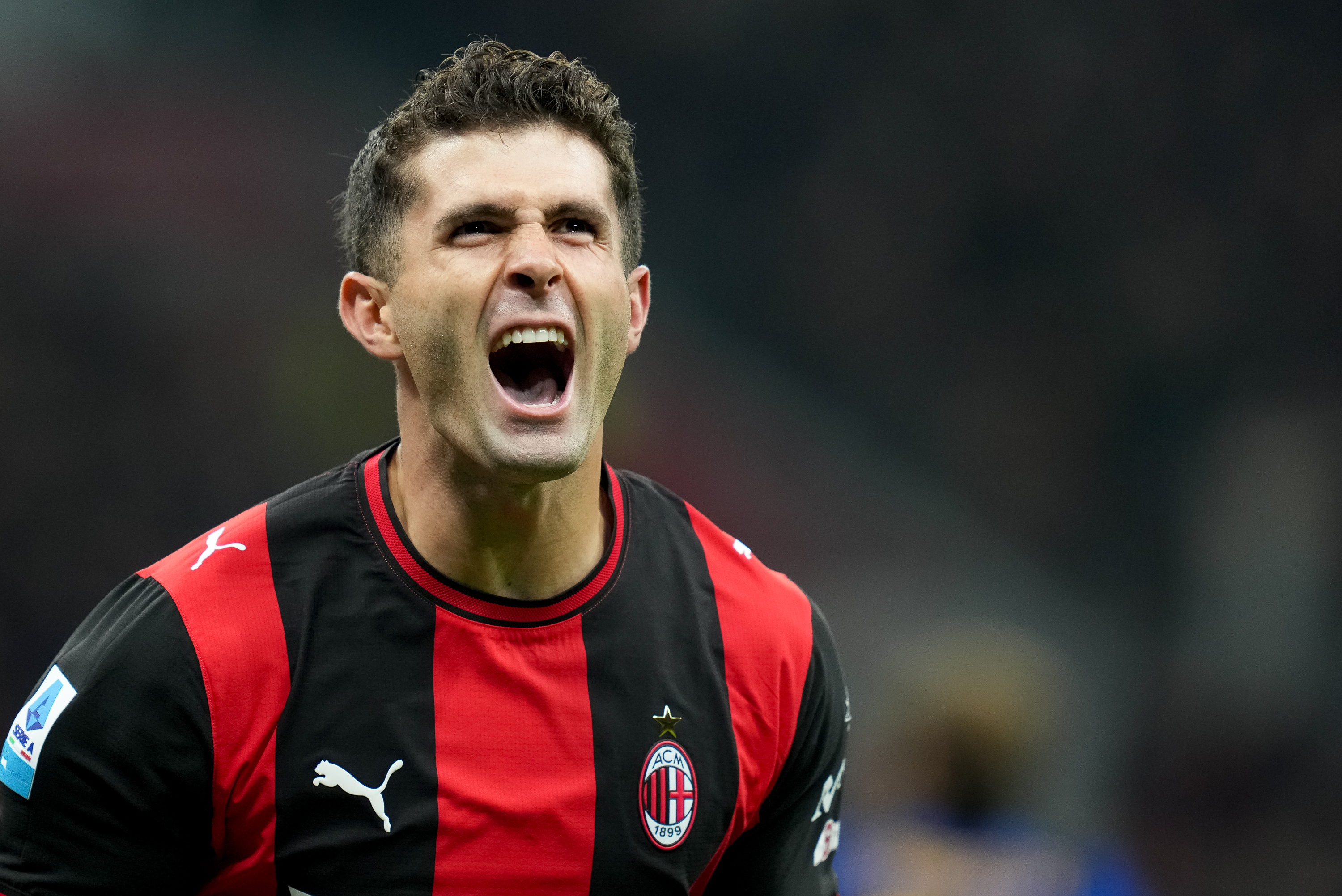
Mauricio Pochettino finds himself at the helm of a USMNT squad that is both more potent and more divided than at any point in recent memory. As the team gears up for the crucial Nations League quarterfinal encounter with Haiti, the head coach must make definitive calls on the starting eleven. This decision is no longer just about immediate match fitness; it is a strategic maneuver that must account for the parallel trajectory of the under-23 team, which is currently in the thick of its preparation cycle for the 2028 Los Angeles Olympics. The dual mandate of winning now and building for the future has created a unique operational challenge for the coaching staff.
The geographical and logistical context of this decision is equally significant. The USMNT is based in the United States, leveraging the home advantage for the Nations League clash, while the under-23 squad is simultaneously engaging in a rigorous training regimen designed to meet the specific physical and tactical demands of Olympic competition. The return of several senior strikers from injury has altered the calculus, providing Pochettino with the option to field a more experienced front line against Haiti. However, this comes at the cost of reduced playing time for the younger forwards who are essential to the Olympic pathway.
Official responses from the US Soccer Federation emphasize a commitment to a holistic development model. Pochettino has indicated that the selection process will be merit-based, prioritizing players who are in peak condition for the specific competitive objective at hand. Meanwhile, Steve Cherundolo has expressed confidence in the depth of the under-23 pool, noting that the recent fall window has provided valuable data on the readiness of these young athletes. The tension between these two goals is not seen as a conflict, but rather as a complex interplay that requires careful management of player workload and competitive exposure.
In-Depth Analysis & Key Details
The current roster dilemma is a manifestation of the broader structural shifts in international football, where the convergence of major tournaments is increasingly common. The 2028 Olympics, being hosted in Los Angeles, carries a heightened significance for US Soccer, transforming it from a secondary objective into a primary competitive target. This shift has necessitated a more deliberate and integrated approach to talent identification and development, moving away from the traditional siloed model where the senior and youth teams operated with minimal overlap. The historical precedent of Olympic success in the United States is limited, making the 2028 cycle a critical opportunity to redefine the nation's standing in the sport.
From a regulatory and competitive standpoint, the Nations League provides a high-intensity environment that serves as an excellent testing ground for senior players. However, the pressure to qualify for the final tournament adds a layer of urgency that can sometimes conflict with the long-term developmental goals of the Olympic squad. The debate within the football community centers on the optimal balance between these two priorities. Some argue that the senior team should be prioritized to ensure immediate competitive success, while others contend that the Olympic pathway should be given greater weight to build a sustainable talent pool for the next decade.
Technical analysis of the recent fall window reveals that the USMNT has benefited from a surge in form among its younger players. This has not only increased the depth of the squad but has also introduced new tactical possibilities. Pochettino’s coaching philosophy, which emphasizes high pressing and positional play, is well-suited to the physical attributes of these young athletes. The challenge lies in integrating these players into the senior setup without compromising the tactical cohesion of the team. The return of experienced strikers provides a stabilizing influence, but it also raises questions about the long-term sustainability of the squad’s attacking strategy if it relies too heavily on older players.
"The 2028 Olympics are not just a tournament; they are a strategic imperative that demands we view our senior and youth squads as interconnected pillars of a single, unified national identity."
Why This Matters & What Lies Ahead
For American football fans, this roster decision has direct implications for the quality and competitiveness of the national team in the near term. The outcome of the Haiti match will not only determine the USMNT’s fate in the Nations League but will also set the tone for the team’s approach to the upcoming Olympic cycle. Fans are increasingly engaged in the discussion of player selection, with social media and sports media playing a significant role in shaping public opinion. The transparency of the selection process and the clear communication of the team’s strategic goals will be crucial in maintaining fan support and engagement.
Looking ahead, several key milestones will be closely monitored. The result of the Haiti match is the immediate next step, with a victory securing a place in the Nations League final tournament. Following this, the focus will shift to the under-23 squad’s preparation for the Olympic qualifiers. The performance of young players in upcoming club and national team matches will be a key indicator of their readiness for the 2028 Olympics. Additionally, any changes in the coaching staff or strategic direction will be closely scrutinized. The next few months will be critical in determining whether the US Soccer Federation can successfully navigate this complex dual-track strategy and achieve success on both fronts.
Source: Reported by Yahoo Sports · Analyzed & Synthesized by DNB Newsroom


