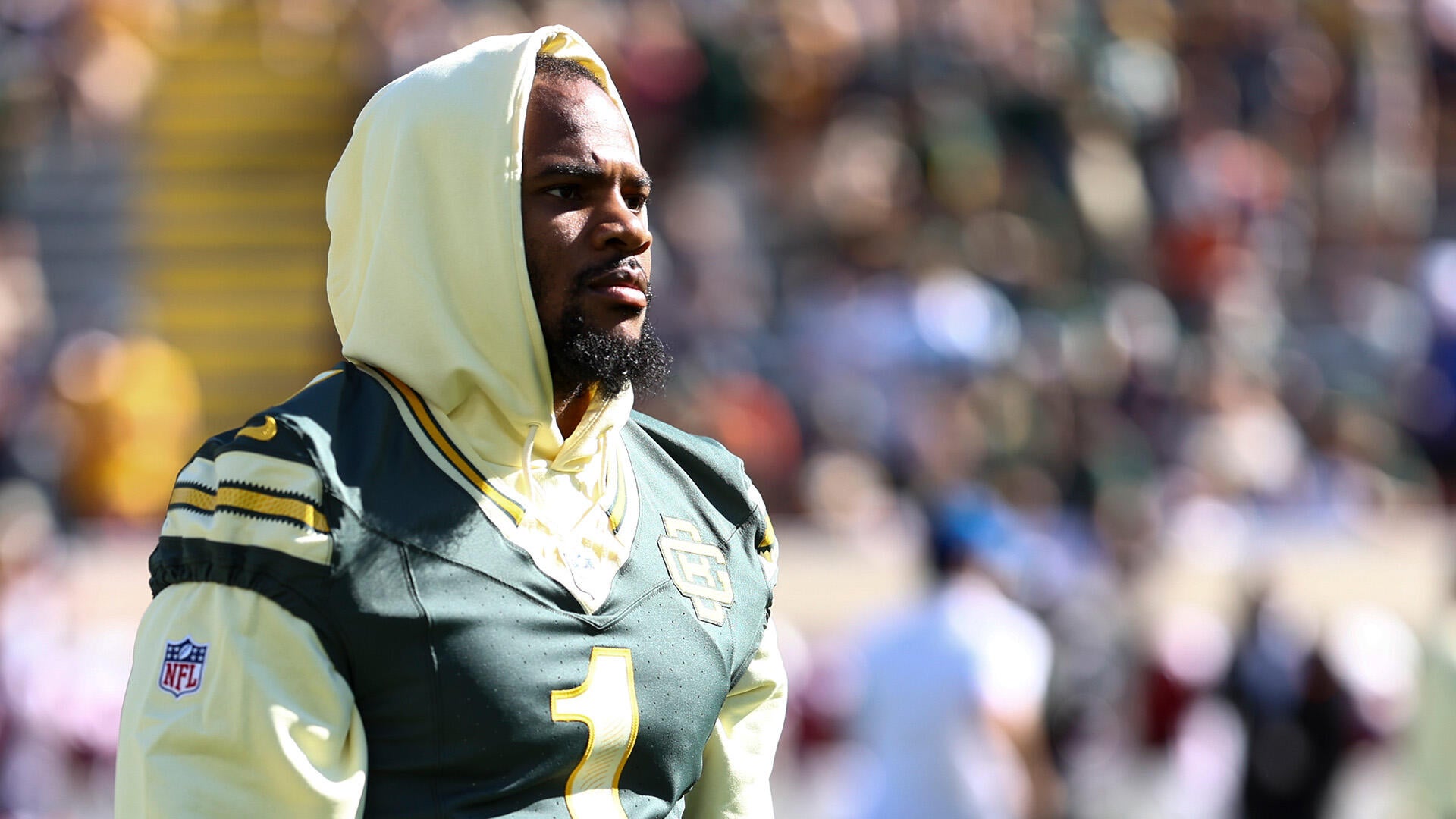
Micah Parsons, the two-time All-Pro linebacker for the Green Bay Packers, has issued a stark message to fans and analysts alike: there is no set date for his return to the field. Suffering from a torn anterior cruciate ligament (ACL) sustained late in the previous campaign, Parsons has openly stated that his recovery timeline is dictated by his body's response to rehabilitation rather than a fixed calendar. This admission marks a significant shift from the optimistic projections often offered by athletes in the early stages of such injuries, highlighting the uncertainty inherent in high-level sports medicine.
The absence of a definitive return date creates immediate operational challenges for the Packers' coaching staff. As the team prepares for the upcoming season, the defensive unit must function without its most disruptive edge presence. Parsons' role in generating pressure on opposing quarterbacks and disrupting running lanes is not easily replicated, forcing the organization to rely heavily on its secondary and other defensive linemen to compensate for the missing pass rush. This tactical recalibration is already underway, with increased focus on blitz packages and coverage adjustments to maintain competitive viability.
In recent interviews, Parsons emphasized that pushing for a faster return could jeopardize his long-term career and performance levels. He stressed the importance of allowing his knee to heal fully, recognizing that premature return to play could lead to re-injury or diminished effectiveness. This cautious stance reflects a broader trend among elite athletes who are increasingly prioritizing health and longevity over immediate game-time contributions, especially in an era where medical advancements allow for more thorough and personalized recovery protocols.
In-Depth Analysis & Key Details
The prolonged recovery of an ACL tear is a well-documented phenomenon in professional sports, with studies indicating that return to play times can vary significantly among athletes. Factors such as age, previous injury history, and individual biological responses play critical roles in determining the speed of rehabilitation. For Parsons, whose career has been built on explosive athleticism, the stakes are particularly high. The structural forces at play include the physical demands of the NFL position, where linebackers are subjected to intense collisions and directional changes, making full functional recovery essential for safety and performance.
From a competitive perspective, the Packers' reliance on Parsons has created a dependency that is now being tested. The absence of a timeline introduces uncertainty into the team's strategic planning, affecting everything from training camp dynamics to game-day personnel decisions. Competing teams may exploit this vulnerability, targeting the Packers' defensive line with specific offensive schemes designed to isolate and overwhelm the remaining front four. This dynamic shifts the balance of power in the NFC, potentially altering playoff seeding and matchup advantages.
Expert sports medicine analysts point out that the decision to delay return is not merely a conservative choice but a strategic one. By allowing the knee to heal completely, Parsons reduces the risk of secondary injuries and ensures that his return is marked by peak performance rather than compromised mobility. This approach aligns with modern sports science, which emphasizes the importance of psychological readiness and physical confidence in post-injury performance. The broader implication is that franchises must adapt their roster construction to account for such variables, potentially leading to more flexible and diversified defensive units.
"The absence of a timeline is not a setback but a necessary safeguard; in the NFL, longevity is the ultimate currency, and Parsons is investing in his future rather than expending it on the present."
Why This Matters & What Lies Ahead
For fans and stakeholders, the extended absence of Micah Parsons has direct implications for the Green Bay Packers' competitive outlook and market value. The team's ability to maintain its status as a top-tier contender hinges on how effectively it can navigate this defensive gap. Fans may experience heightened anxiety and uncertainty, but the organization's transparent communication about the recovery process helps manage expectations and builds trust. Financially, the situation underscores the value of insurance and risk management in sports contracts, as long-term injuries can significantly impact player earnings and franchise budgets.
Looking ahead, key milestones to monitor include Parsons' progress in rehabilitation, any updates from the Packers' medical staff, and the team's performance in early-season games. These factors will provide critical insights into the feasibility of a mid-season return and the effectiveness of the defensive adjustments. Additionally, the NFL's broader discourse on player health and injury management is likely to be influenced by high-profile cases like Parsons', potentially leading to revised protocols and greater emphasis on preventive care. Stakeholders should closely watch for any changes in Parsons' training regimen and his public statements, as these will serve as indicators of his readiness to rejoin the active roster.
Source: Reported by CBS Sports · Analyzed & Synthesized by DNB Newsroom