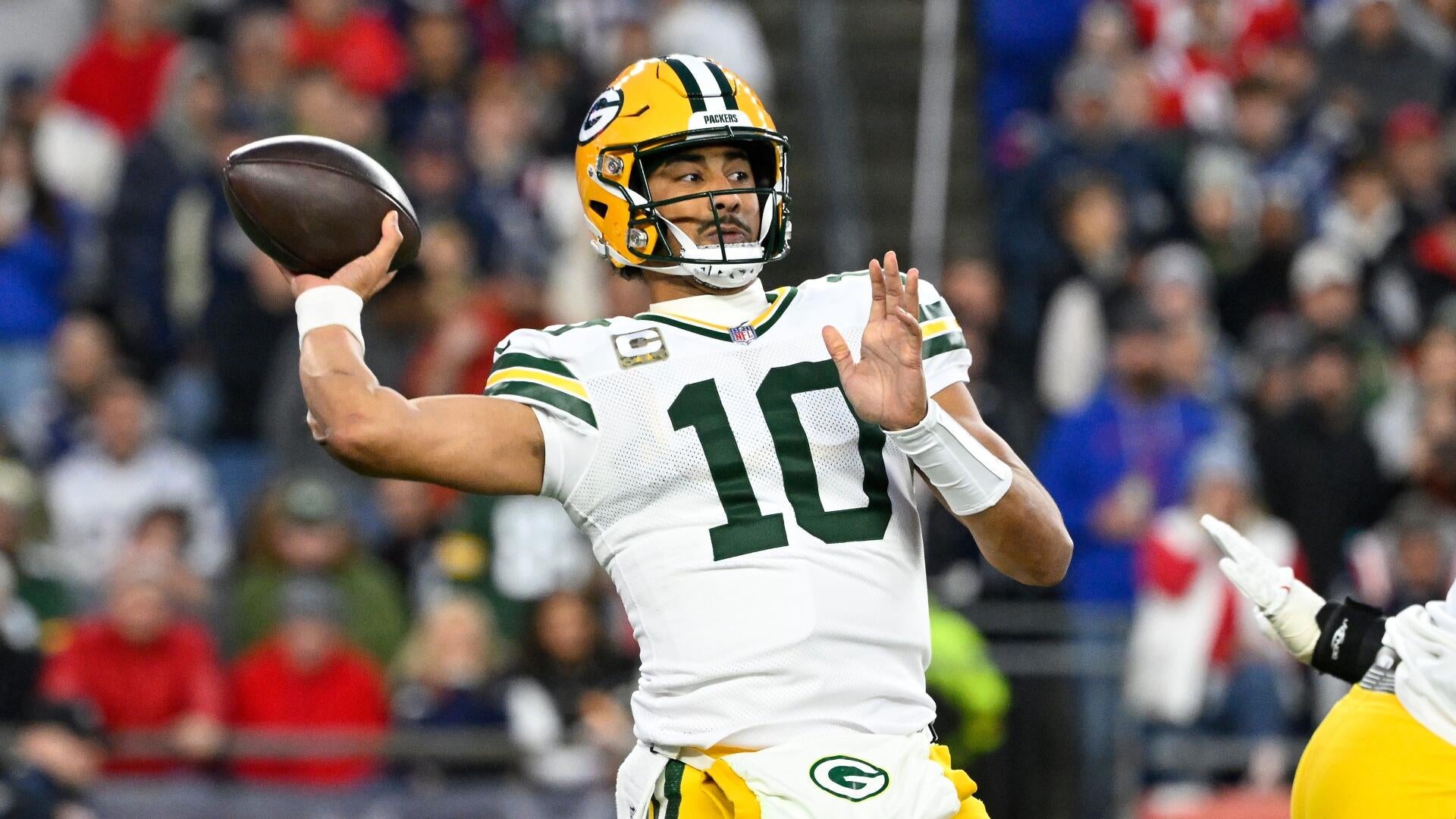
The National Football League’s calendar marks a significant milestone with the opening of its first Thanksgiving Eve contest, featuring the Green Bay Packers hosting the Los Angeles Rams. This matchup is defined by a stark contrast in roster health and strategic necessity. The Packers enter the game with a potent offensive engine, looking to leverage their deep passing game to control the tempo and space of the field. Central to their defensive strategy is the highly anticipated season debut of Micah Parsons, who is expected to provide an immediate surge in pass-rushing capability against a vulnerable Rams offensive line.
In contrast, the Los Angeles Rams are navigating a challenging period of injury depletion that has significantly altered their offensive playbook. With key personnel unavailable, the Rams' coaching staff has shifted its focus toward a robust ground attack, aiming to exploit the Packers' defensive front seven through running plays. This tactical pivot is not merely a stylistic choice but a necessity born from the physical limitations imposed by their current roster status. The geographical context of the game, played in the cold of Green Bay, further complicates the Rams' aerial options, making the running game a primary vehicle for sustaining drives.
Official remarks from both organizations have emphasized the importance of preparation and resilience. The Packers' front office has highlighted the depth of their roster, noting that the arrival of Parsons allows them to maintain their defensive intensity without overtaxing existing personnel. Meanwhile, the Rams have framed their approach as a testament to their organizational adaptability, asserting that their offensive line and running backs are prepared to execute a physical game plan. Stakeholders in the league observe this game as a litmus test for how well both teams can adjust to unforeseen challenges in the early stages of the season.
In-Depth Analysis & Key Details
Historically, Thanksgiving Eve games have served as early indicators of a team's readiness for the latter half of the season, often revealing whether a franchise can sustain performance under the pressure of a mid-season schedule. The structural forces at play here involve the intersection of roster construction and injury management. The Packers' ability to integrate Parsons seamlessly reflects a broader trend in the NFL where elite defensive talents are used to create immediate impact, allowing teams to maintain competitive parity even as they navigate the physical toll of a long season. This approach underscores the financial and operational importance of roster depth, a factor that has become increasingly critical in recent years as player availability fluctuates due to injury.
From a competitive perspective, this matchup highlights the tension between aerial dominance and ground-based resilience. The Packers' reliance on the deep ball is a strategic asset that can quickly dismantle defenses, but it requires precise execution and favorable weather conditions. Conversely, the Rams' shift to a ground attack is a defensive measure that aims to neutralize the Packers' pass rush and control the clock. Industry analysts observe that such tactical adjustments are often the differentiator in tightly contested early-season games, where teams are still refining their chemistry and identifying their strengths. The economic consequences of these strategic choices extend beyond the immediate game, influencing future draft strategies and free agency decisions as teams seek to balance offensive and defensive capabilities.
Expert domain context suggests that the success of this matchup will hinge on the execution of these primary strategies. The Packers' offense must avoid turnovers and maintain high completion percentages to keep the Rams' defense on their heels. Simultaneously, the Rams must demonstrate the ability to convert third downs and manage the game clock effectively to limit the Packers' scoring opportunities. This dynamic illustrates the complex interplay between individual talent and team strategy, where the presence of a single star player like Parsons can shift the balance of power, but only if the supporting cast is prepared to execute the broader game plan.
"The clash between Green Bay's aerial precision and Los Angeles' grounded resilience defines the early-season struggle for strategic dominance in the NFL."
Why This Matters & What Lies Ahead
For everyday fans and the broader sports industry, this game offers a critical insight into the resilience of current NFL rosters. The visibility of injury management and strategic adaptation in high-profile games like this one influences public perception of team strength and future performance. For the financial markets associated with sports betting and media rights, the outcome of such matchups can impact early-season predictions and viewer engagement metrics, which are crucial for maintaining advertising revenue and broadcast deals. The ability of teams to overcome adversity through tactical adjustments is a key narrative that drives fan interest and loyalty throughout the season.
Looking ahead, this game sets the stage for several upcoming milestones that will determine the trajectory of both franchises. The Packers' performance in this contest will be closely monitored as they prepare for their mid-season schedule, where consistency will be tested against top-tier opponents. The Rams, meanwhile, will need to address their injury concerns and refine their offensive execution to remain competitive in the second half of the season. Key upcoming dates include the mid-season roster reviews and the potential impact of the trade deadline, where teams may seek to bolster their rosters in response to the challenges revealed in games like this one. Monitoring these developments will be essential for understanding the long-term strategic direction of both organizations.
Source: Reported by CBS Sports · Analyzed & Synthesized by DNB Newsroom


