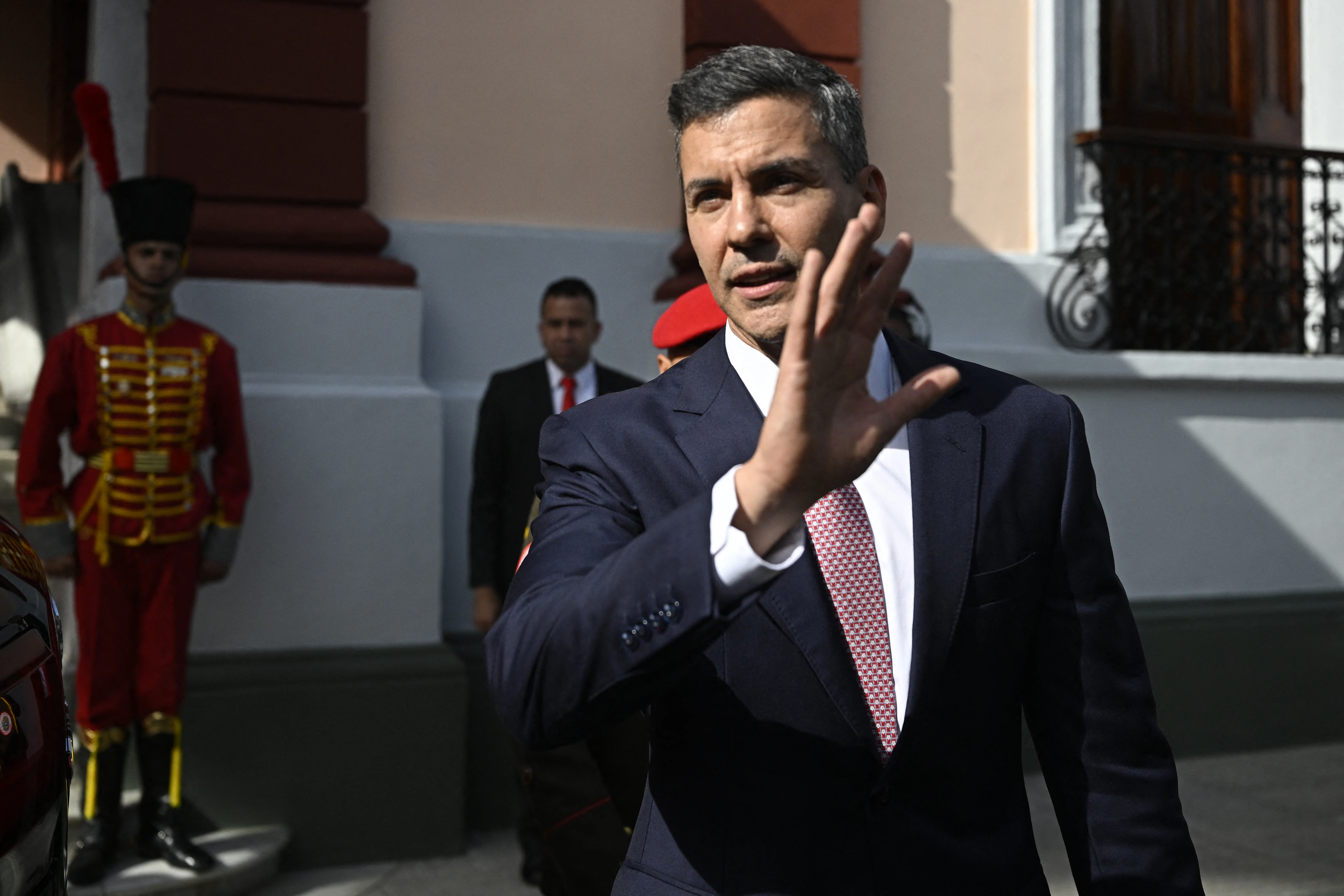
On Friday, Santiago Peña, Paraguay’s ousted head of state, entered a courtroom in Asunción to answer questions from a panel of prosecutors investigating the dramatic failure of Banco del Estado, a financial institution partially owned by the government. The former president, who was stripped of his office and placed under house arrest after a rapid Senate impeachment vote, is accused of authorizing unsecured credit lines that contributed to the bank’s insolvency.
The hearing took place at the nation’s Supreme Court building, with a crowd of journalists, legal scholars, and representatives of the bank’s former employees observing. Prosecutor María López González outlined the charge sheet, citing internal audit reports that showed a surge in non‑performing loans from 7 % to 38 % over eighteen months, a spike linked to projects tied to Peña’s political allies. Peña’s legal team requested additional time to review the evidence, while opposition lawmakers hailed the session as a watershed moment for judicial independence.
In-Depth Analysis & Key Details
Paraguay’s banking crisis is rooted in a decade‑long pattern of state‑driven credit expansion, where successive administrations used public banks to fund infrastructure and agribusiness projects without rigorous risk assessment. The collapse of Banco del Estado echoes the 1999 failure of Banco Central del Paraguay, which spurred reforms that were never fully implemented, leaving the sector vulnerable to political patronage.
International observers, including the International Monetary Fund, have warned that the intertwining of political power and credit allocation undermines fiscal stability and deters foreign investment. Critics argue that Peña’s policies accelerated capital flight, as depositors scrambled to withdraw funds, exacerbating liquidity shortages. Legal experts note that the current prosecution could test the limits of Paraguay’s anti‑corruption framework, which was strengthened in 2021 but remains hampered by limited investigative resources and judicial backlogs.
Economist Dr. Luis Mendoza of the Universidad Nacional de Asunción stresses that the outcome will reverberate beyond the courtroom: “A conviction would signal that high‑ranking officials are no longer immune to financial misconduct, potentially restoring confidence among international lenders and prompting a recalibration of state‑bank relationships.”
"The trial is less about one man’s alleged misdeeds and more about confronting a systemic culture that lets political clout dictate banking risk."
Why This Matters & What Lies Ahead
For ordinary Paraguayans, the bank’s collapse wiped out savings for thousands of families, eroding trust in public financial institutions and prompting a wave of protests in major cities. A decisive legal verdict could either reassure citizens that accountability is possible or deepen cynicism if the process stalls, influencing voter sentiment ahead of the 2028 presidential election.
The case will be watched closely by regional bodies such as the Organization of American States and by investors monitoring emerging‑market sovereign risk. Upcoming milestones include a scheduled hearing on the admissibility of evidence on November 20 and a parliamentary committee review of banking oversight reforms slated for early 2027. Both events will shape the trajectory of Paraguay’s financial governance and its ability to attract foreign capital.
Source: Reported by NPR · Analyzed & Synthesized by DNB Newsroom